
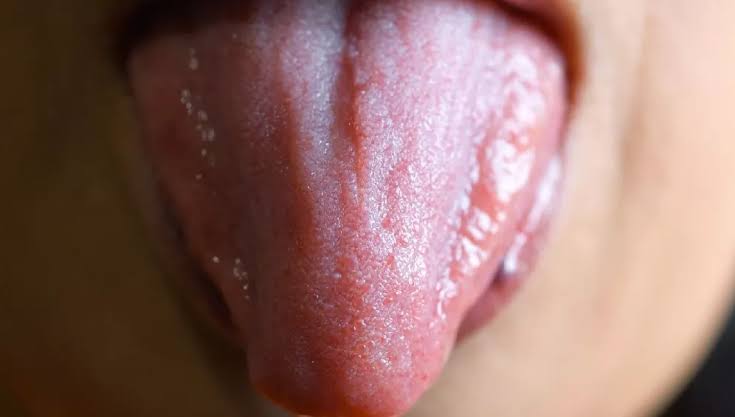
Why are my taste buds swollen is a question that usually has a simple, harmless answer, even though the discomfort can feel surprisingly intense.
Swollen taste buds affect more than half of people at some point, often from something as minor as biting the tongue or eating something too hot.
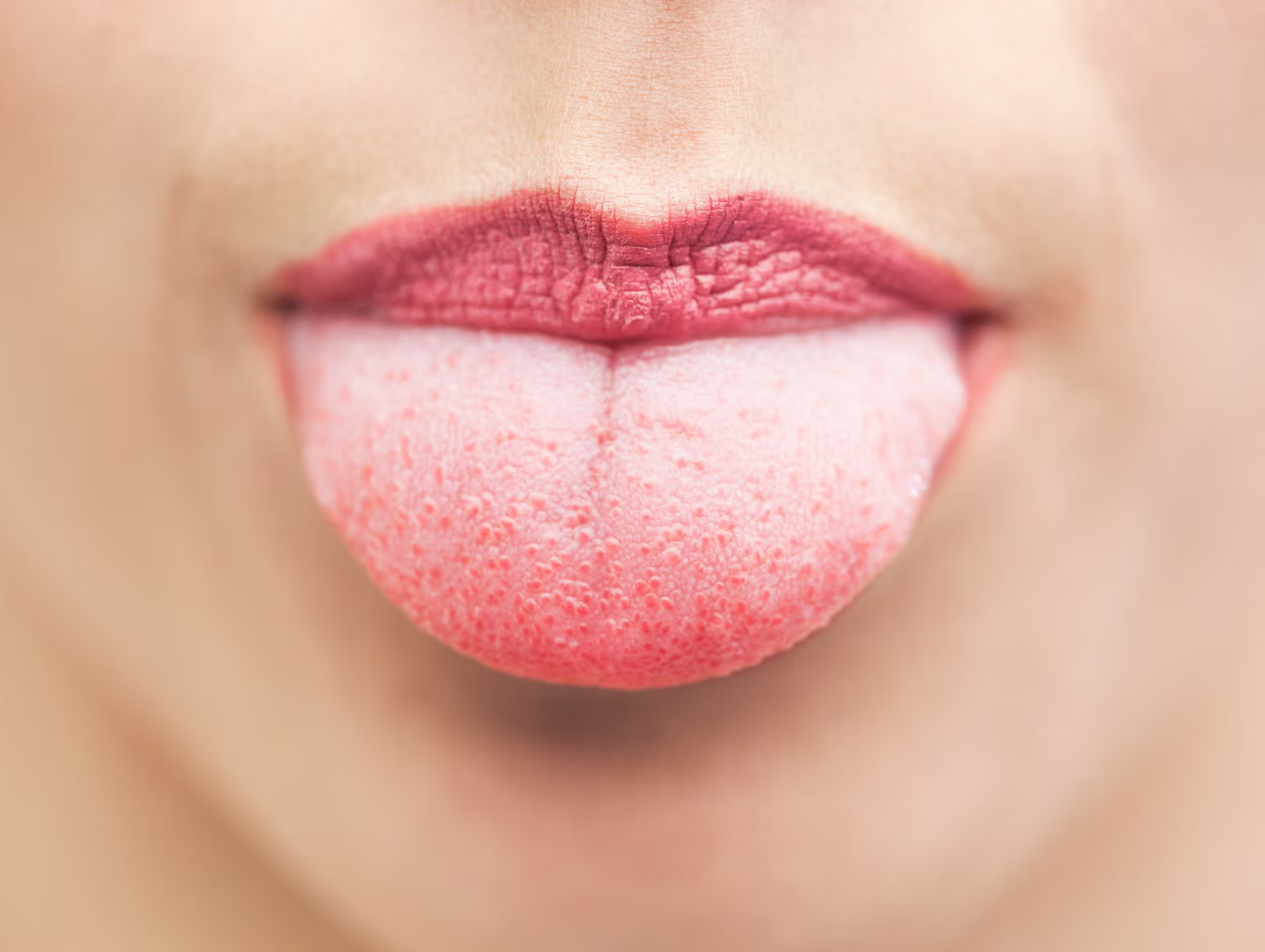
Taste buds are tiny sensory organs housed inside small bumps on your tongue called papillae. You have roughly 10,000 of them in total.
Each taste bud contains sensory cells connected to nerve fibers, allowing you to detect sweet, salty, sour, bitter, and umami flavors.
Normally, you shouldn’t be able to feel individual taste buds at all. When they swell, they become noticeably raised, tender, and sometimes painful.
Before going deeper, here’s a fast summary connecting the most common causes of swollen taste buds to their typical pattern.
| Cause | Typical Trigger | Usual Duration |
|---|---|---|
| Food or heat irritation | Spicy, acidic, or hot food | 1–3 days |
| Poor oral hygiene | Plaque and bacteria buildup | Varies until hygiene improves |
| Dental appliance friction | Braces, dentures rubbing tongue | Ongoing until adjusted |
| Viral or bacterial infection | Cold, flu, or oral infection | Several days to a week |
| Acid reflux (GERD) | Stomach acid reaching the mouth | Recurring with flare-ups |
| Allergic reaction | Food, medication, dental products | Minutes to hours after contact |
| Nutritional deficiency | Low B vitamins, iron, or zinc | Ongoing until corrected |
| Transient lingual papillitis | Unknown, linked to stress | 2–3 days |
The most common cause of swollen taste buds is simple irritation, often from something as ordinary as a slice of pizza fresh out of the oven.
Hot foods can cause minor burns to the tongue’s surface, leaving taste buds temporarily raised, red, and tender to the touch.
Spicy and acidic foods, like citrus fruits or hot sauce, can also irritate the tongue’s surface without causing an actual burn.
This type of swelling usually resolves within one to three days once the irritated area has time to heal on its own.
Skipping regular brushing and flossing allows plaque and bacteria to build up, which can irritate the tongue’s surface and nearby taste buds.
Over time, this bacterial buildup can contribute to inflammation, making taste buds more likely to swell or feel tender.
Improving your daily oral hygiene routine, including gently brushing your tongue, often helps resolve this type of swelling within a few days.
Braces, retainers, and dentures can rub against the tongue, especially right after adjustments or when a device doesn’t fit quite right.
This repeated friction irritates the tongue’s surface, causing localized swelling in the taste buds that make contact most often.
If swelling seems linked to a dental appliance, mentioning it at your next dental visit can help identify a fit or adjustment issue.
Viral infections, including common colds and the flu, can cause taste bud swelling as part of the body’s broader inflammatory response.
Bacterial infections in the mouth can also trigger localized swelling, sometimes alongside other symptoms like bad breath or visible redness.
| Infection Type | Common Trigger | Additional Symptoms |
|---|---|---|
| Viral (cold, flu) | Seasonal illness | Sore throat, congestion |
| Bacterial | Poor hygiene, injury | Bad breath, pus, fever |
| Fungal (oral thrush) | Weakened immune system | White patches, soreness |
Oral thrush, a fungal infection, is more common in people with weakened immune systems or those taking certain medications like inhaled steroids.
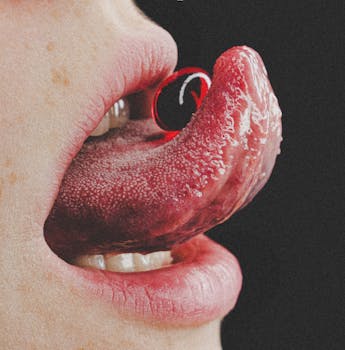
Acid reflux, especially chronic GERD, allows stomach acid to travel up toward the throat and sometimes into the mouth itself.
This acid exposure can irritate the delicate tissue on the tongue, contributing to taste bud swelling and a lingering sour or bitter taste.
| Reflux Trigger Food | Why It’s a Problem |
|---|---|
| Coffee and caffeine | Relaxes the esophageal sphincter |
| Spicy or fatty foods | Slows digestion, increases reflux |
| Chocolate | Can trigger acid production |
| Carbonated soda | Increases stomach pressure |
Managing reflux through diet changes or medication often reduces how frequently taste buds become swollen from this specific cause.
Allergic reactions to food, medication, or dental products can cause taste buds to swell, sometimes within minutes of contact with the trigger.
Certain ingredients are common culprits, including cinnamon flavoring, specific toothpaste ingredients, and preservatives used in some processed foods.
Important: if your tongue, mouth, or throat suddenly swells, or you have trouble breathing or swallowing, seek emergency care immediately, as this can signal a severe allergic reaction.
Certain nutrient deficiencies can make oral tissue more prone to inflammation, including recurring or persistent taste bud swelling.
| Nutrient | Role in Oral Health | Deficiency Link |
|---|---|---|
| Vitamin B12 | Supports tissue repair | Linked to tongue inflammation |
| Iron | Supports healthy tissue oxygenation | Can cause soreness and swelling |
| Zinc | Supports immune and tissue function | Linked to slower healing |
If swollen taste buds keep recurring without an obvious cause, asking a doctor about nutritional testing is a reasonable next step.
This condition, sometimes called “lie bumps,” describes small, painful bumps that appear suddenly on the tongue, often without a clear trigger.
The exact cause isn’t fully understood, but stress, minor gastrointestinal upset, smoking, and spicy foods are all suspected contributing factors.
The good news is that transient lingual papillitis is harmless and typically clears up on its own within two to three days.
Tobacco products contain chemicals that directly irritate the delicate tissue inside the mouth, including the taste buds themselves.
Smoking can also contribute to dry mouth, which removes the protective, moisturizing effect of saliva on oral tissue.
Dry mouth, or xerostomia, leaves taste buds more exposed and vulnerable to irritation from food, bacteria, and everyday friction.
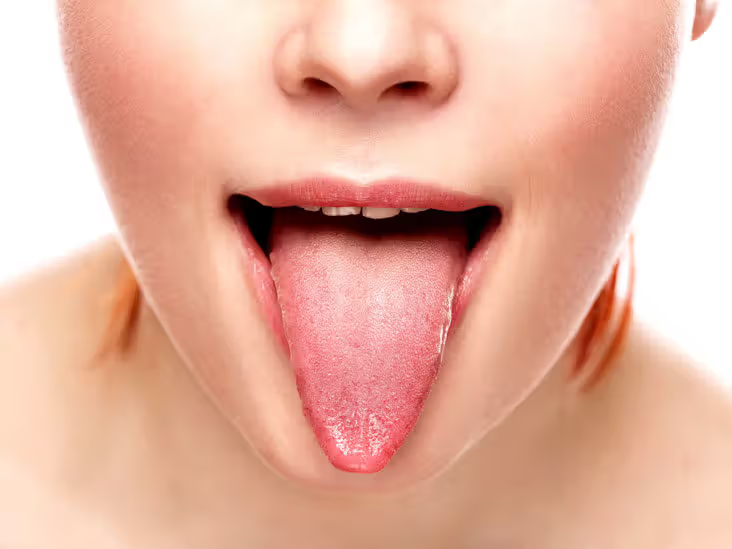
While it’s not fully understood scientifically, many people notice taste bud swelling flares up during particularly stressful periods of life.
Stress can affect immune function and may contribute to habits like teeth grinding or jaw clenching that indirectly irritate the tongue.
Managing stress through relaxation techniques, adequate sleep, and regular exercise may help reduce how often this type of swelling occurs.
Most cases of swollen taste buds can be soothed effectively at home while the underlying irritation resolves on its own.
These simple steps address discomfort directly while giving irritated tissue the time it needs to heal properly.
If swelling is linked to a specific condition, targeted treatment usually works better than general home remedies alone.
| Underlying Cause | Recommended Treatment |
|---|---|
| Acid reflux | Antacids, H2-blockers, or proton pump inhibitors |
| Allergies | Avoid the specific trigger identified |
| Bacterial infection | Prescription antibiotics if confirmed |
| Fungal infection | Prescription antifungal medication |
| Nutritional deficiency | Dietary changes or supplements |
Identifying the specific underlying cause, rather than guessing, generally leads to faster and more complete resolution of symptoms.
Most swollen taste buds resolve within a few days to two weeks, but certain patterns are worth bringing to a doctor’s attention.
If several of these apply, scheduling an appointment with a dentist or doctor is a reasonable next step rather than waiting further.
It’s understandable to worry about serious causes, so it’s worth addressing directly. Oral cancer can rarely present with a swollen, tender area on the tongue.
This is uncommon and typically involves a persistent bump, often on the side of the tongue, that bleeds easily and doesn’t heal within two to four weeks.
Risk is higher in smokers and heavy drinkers. If a bump matches this pattern, prompt medical evaluation is the safest next step.
If home care doesn’t resolve symptoms, a doctor or dentist typically starts with a straightforward visual exam and symptom review.
Lab tests may be used to check for infection, vitamin deficiency, or an allergic reaction when the cause isn’t immediately clear.
| Diagnostic Step | What It Checks |
|---|---|
| Visual oral exam | Location, size, appearance of swelling |
| Blood tests | Nutritional deficiencies, infection markers |
| Allergy testing | Suspected food or product triggers |
| Biopsy (rare) | Ruling out oral cancer in persistent cases |
In select cases, your provider may refer you to an ear, nose, and throat specialist for further evaluation and testing.
A few consistent habits can meaningfully reduce how often swollen taste buds show up in the first place.
Small, consistent habits tend to prevent recurring swelling more reliably than occasional intense treatment after symptoms appear.
Swollen taste buds can affect anyone, but the most likely cause often shifts depending on age and typical daily habits.
Children frequently develop swelling from eating hot food too quickly, biting their tongue while talking or eating, or minor viral infections common in school-age kids.
Adults are more likely to see swelling tied to acid reflux, dental appliances, smoking, or stress-related habits that build up over time.
| Age Group | Most Common Cause | Second Most Common |
|---|---|---|
| Young children | Hot food, tongue biting | Viral infections |
| Teens | Braces friction, stress | Diet-related irritation |
| Adults | Acid reflux, smoking | Dental appliance friction |
| Older adults | Dry mouth, medication side effects | Nutritional deficiency |
Certain medications can indirectly increase the likelihood of swollen taste buds, usually through dry mouth or altered oral bacteria.
| Medication Type | How It May Contribute |
|---|---|
| Antihistamines | Reduces saliva, causing dry mouth |
| Blood pressure medications | Some cause dry mouth as a side effect |
| Inhaled steroids | Increases oral thrush risk |
| Chemotherapy drugs | Can cause widespread oral tissue changes |
If you started a new medication around the same time swelling began, mentioning this timing to your doctor can help clarify the connection.
Being aware of specific everyday triggers can help you avoid unnecessary flare-ups once you know your taste buds tend to react easily.
Identifying your personal triggers through simple observation often reduces how often swelling shows up going forward.
These two conditions are often confused, but they look and behave differently, which matters for choosing the right treatment.
| Feature | Swollen Taste Bud | Canker Sore |
|---|---|---|
| Appearance | Raised, red or white bump | Flat, white or yellow ulcer with red border |
| Location | On the tongue’s surface | Inside cheeks, lips, or tongue |
| Pain trigger | Worse with hot or spicy food | Worse with acidic or salty food |
| Typical duration | A few days | One to two weeks |
Knowing which one you’re dealing with helps you choose more targeted home remedies and set realistic healing expectations.
If swollen taste buds keep coming back, keeping a simple log can help identify patterns worth discussing with a healthcare provider.
Bringing this pattern to an appointment often speeds up diagnosis considerably compared to describing symptoms from memory alone.
A few common myths about swollen taste buds circulate widely, and clearing them up can prevent unnecessary worry or the wrong treatment choice.
Myth: Swollen taste buds mean you’re seriously ill. In reality, the vast majority of cases trace back to simple, harmless irritation from food or minor friction.
Myth: Popping or picking at a swollen taste bud helps it heal. Picking at irritated tissue can introduce bacteria and actually slow down the healing process significantly.
Myth: Only spicy food causes this problem. While spicy food is a common trigger, reflux, allergies, infections, and stress can all cause the same symptom.
Myth: You need antibiotics every time. Most swollen taste buds resolve without any medication at all, since they’re not caused by a bacterial infection.
Beyond avoiding specific trigger foods during a flare-up, some broader dietary habits support healthier oral tissue over time.
Eating a balanced diet with adequate vitamins and minerals supports tissue repair and may reduce how often swelling recurs.
Limiting highly processed foods and excess sugar can also support a healthier balance of bacteria in the mouth overall.
| Habit | Long-Term Benefit |
|---|---|
| Balanced, nutrient-rich diet | Supports tissue repair |
| Reduced processed sugar | Supports healthy oral bacteria |
| Adequate water intake | Maintains healthy saliva flow |
| Limiting acidic drinks | Reduces tongue tissue irritation |
These habits won’t eliminate every cause of swelling, but they create a stronger baseline that makes flare-ups less frequent overall.
Often it’s mild irritation from food, stress, or minor friction you didn’t notice, which typically resolves within a few days on its own.
Most cases clear up within a few days to two weeks, depending on the underlying cause and how well it’s managed.
Yes, stress is a suspected trigger for conditions like transient lingual papillitis, though the exact mechanism isn’t fully understood by researchers.
Yes, gently pressing an ice cube against the area is a safe, effective way to reduce discomfort and swelling.
Yes, stomach acid reaching the mouth can irritate delicate tongue tissue, contributing to taste bud swelling over repeated exposure.
No, gentle brushing with a soft toothbrush actually helps healing, as long as you avoid scrubbing the area too hard.
Worry if it lasts over two weeks, grows larger, bleeds easily, or doesn’t respond at all to basic home care.
Yes, food, medication, or dental product allergies can cause noticeable swelling within minutes to hours of direct contact.
It’s less common than simple irritation but worth considering if swelling recurs often without any obvious everyday trigger.
Rarely. It’s uncommon overall, but persistent, non-healing, bleeding bumps should be evaluated by a doctor promptly regardless.
Why are my taste buds swollen almost always comes down to something minor and temporary, like a hot food burn, mild irritation, or a passing infection. In most cases, symptoms clear up within a few days with simple home care like saltwater rinses, hydration, and avoiding irritating foods.
Less commonly, swelling ties back to acid reflux, allergies, nutritional gaps, or dental appliance friction, all of which respond well to targeted treatment once identified.
Persistent swelling lasting more than two weeks, a growing or bleeding bump, or symptoms alongside fever or breathing trouble are all signs worth a professional evaluation. For the vast majority of people, though, swollen taste buds are a short-lived nuisance rather than a serious health concern.