
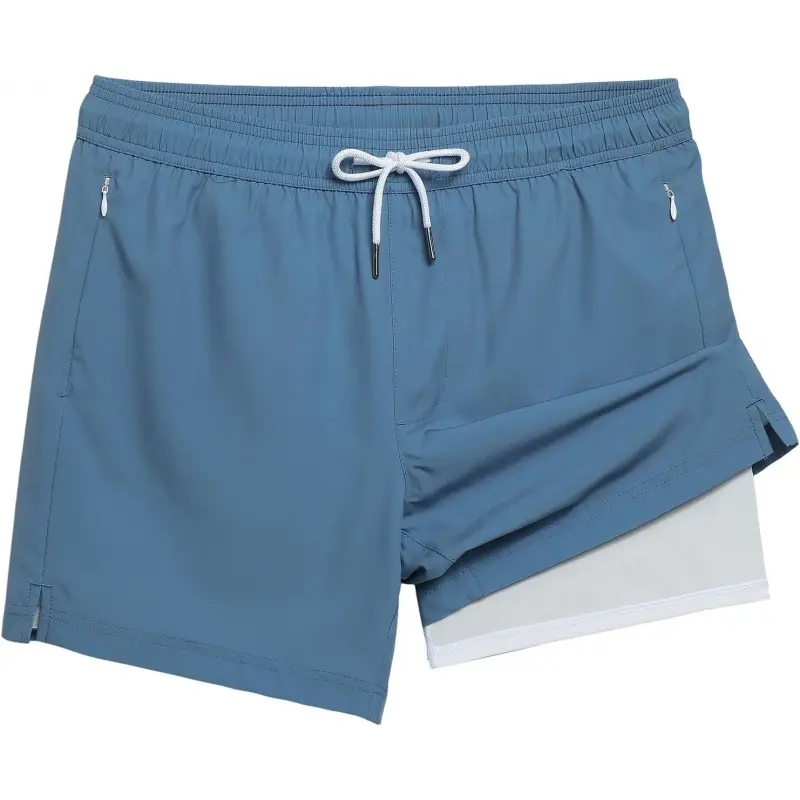
Why do men’s swim trunks have netting is one of the most Googled questions in men’s swimwear — and the answer is more important than most guys realize.
That built-in mesh liner is not just filler or tradition. It is a purpose-built layer of functional fabric engineered to provide support, prevent chafing, improve breathability, and replace the need for underwear entirely.
Whether you love it or hate it, the netting inside your swim trunks is doing a lot of work.
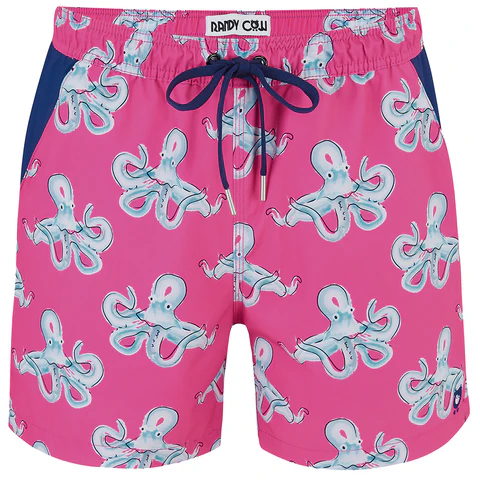
The netting inside men’s swim trunks is a built-in inner layer of loosely woven, net-like fabric. It is sewn into the interior of the shorts and covers the crotch and sensitive areas.
Most swim trunk netting is made from polyester or nylon. These synthetic fibers are woven together into a flexible, breathable mesh that allows both air and water to pass through freely.
The netting is shaped like a brief or basket — similar to underwear — and is permanently attached inside the trunk. It is not meant to be removed and it is not decorative. It is a functional piece of engineering designed for active water use.
The core reason why men’s swim trunks have netting is simple: they are designed to be worn without underwear. The netting replaces regular underwear and handles all the jobs that underwear normally does.
When men first began wearing casual swim trunks instead of structured swimsuits, designers needed a way to provide support and coverage without a separate undergarment. The mesh liner was the solution.
A loose pair of swim trunks with no inner layer creates problems. Wet fabric clings to skin, friction increases dramatically, coverage disappears when soaked, and there is nothing to hold sensitive anatomy in a comfortable position. The netting solves all of these problems at once.
Chafing is the number one practical reason why men’s swim trunks have netting. When fabric gets wet it becomes heavier, clings tighter, and generates far more friction against skin during movement.
The mesh liner creates a soft protective barrier between sensitive skin and the outer shell fabric. Instead of rough or damp outer fabric rubbing directly against the inner thigh and groin area, the netting takes that friction and dramatically reduces it.
This is especially important during active use — running on the beach, swimming laps, playing water sports, or even just walking around in wet trunks. Without the netting, the chafing that develops over a few hours can become genuinely painful.
The mesh liner functions as built-in athletic support. It holds everything in place in a way that loose outer swim trunk fabric simply cannot.
The brief-shaped netting wraps snugly around sensitive anatomy and keeps it positioned comfortably during movement. This is similar to how boxer briefs work — providing a contained, supported feel without compression or restriction.
This matters especially in the water, where the buoyancy and movement of waves or pool swimming can cause unsupported trunks to shift around in uncomfortable ways. The netting keeps everything where it should be throughout the entire activity.
One of the most underappreciated reasons why men’s swim trunks have netting is modesty. When swim trunks get wet, the outer shell fabric becomes nearly transparent and clings tightly to the body.
The mesh liner adds an essential opaque layer underneath. Even when the outer fabric is soaked and clinging, the liner maintains coverage and prevents any embarrassing see-through situations when stepping out of the water.
This is why removing the netting from swim trunks — while technically possible — is genuinely not recommended. The moment you step out of the pool or ocean, you lose a significant amount of coverage without it.
The open knit construction of the mesh liner is designed specifically to allow air to circulate freely. This ventilation is a key comfort feature both in and out of the water.
While you are out of the water, the netting allows airflow to reach skin directly, preventing the sweaty, sticky, clammy feeling that solid-lined shorts can produce on hot days. This breathability is why swim trunks feel comfortable to wear all day at the beach.
Even when wet, the mesh structure continues to allow circulation. Air moves through the tiny gaps in the netting and accelerates moisture evaporation from the skin surface, which helps reduce heat buildup significantly.
Swim trunk netting is made from quick-drying synthetic materials — primarily polyester. This is a deliberate material choice, not an accident.
The mesh structure holds very little water by volume compared to a solid fabric liner. Water passes through the gaps in the netting rather than being absorbed and retained. This means the liner is nearly dry within minutes of leaving the water.
The hydrophilic nature of the liner fabric also helps move moisture away from the skin toward the outer layer of the trunk, where it can evaporate more easily. This moisture-wicking system is one of the reasons quality swim trunks feel comfortable even during repeated in-and-out-of-water cycles.
Wet, warm environments are ideal conditions for bacterial growth. Swim trunk netting plays an important hygiene role by promoting the rapid drying that limits how long skin remains in that environment.
Pool chemicals, saltwater, sweat, and sunscreen all accumulate on fabric during a day at the beach or pool. The mesh liner’s quick-dry and breathable design helps flush these substances away rather than trapping them against the skin.
This is also why experts consistently advise against wearing cotton underwear under swim trunks with a mesh liner. Cotton absorbs and retains water for hours, creating exactly the warm, moist environment that promotes bacterial and fungal growth. The polyester mesh liner avoids this entirely.
Without any inner structure, wet swim trunks can lose their shape rapidly. The outer fabric stretches, sags, and distorts as it becomes saturated with water.
The mesh liner acts as a light internal framework that helps the outer trunk maintain its intended shape when wet. This keeps the trunks looking flattering and fitting as designed rather than drooping or bagging in unflattering ways.
This is another subtle but important benefit that most men never consciously notice — but would notice immediately if the liner were removed and the trunks went shapeless in the water.
The choice of polyester or nylon for swim trunk netting is based on careful material science. Both fabrics share key properties that make them ideal for this application.
Polyester is lightweight, wrinkle-resistant, chlorine-resistant, and dries faster than virtually any natural fiber. Nylon has similar quick-dry properties and adds a slightly softer hand feel against the skin. Both are hydrophobic enough to shed water quickly while still moving moisture away from the skin surface.
The combination of a hydrophilic (moisture-wicking) inner liner with a hydrophobic (water-repelling) outer shell creates a highly effective moisture management system. Moisture is pulled away from the skin by the liner and pushed outward to the shell where it evaporates. This is the core science behind why quality swim trunks feel comfortable across the full day.
Not all swim trunk liners are the same. The netting has evolved significantly over the decades and today there are several distinct types to choose from.
| Liner Type | Description | Best For | Drawbacks |
|---|---|---|---|
| Mesh Basket Liner | Loose, brief-shaped netting sewn into trunk | Casual beach and pool days | Can bunch, trap sand, may chafe during active use |
| Compression Liner | Fitted inner short made from polyester/spandex blend | Active water sports, long wear | Less airflow than mesh on very hot days |
| Anti-Chafe Liner | Soft mesh specifically designed to minimize friction | Men prone to chafing | Less structured support than compression |
| No Liner | Outer shell fabric only, no inner layer | Minimalism and freedom of movement | No support, significant chafing risk, limited coverage |
| Removable Liner | Snap-on liner that can be detached | Maximum versatility | Adds cost, snaps can wear over time |
The mesh basket liner has been the industry standard for decades. It is what most men grew up with and what comes in the majority of swim trunks sold today.
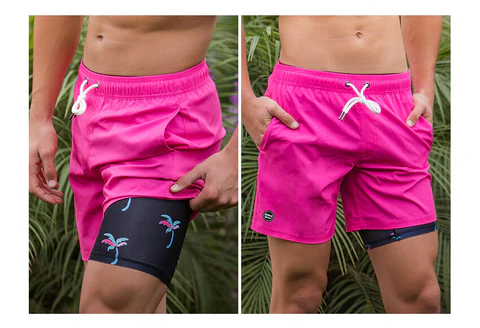
Compression liners represent a significant upgrade over traditional mesh netting. Instead of loose netting, a compression liner is a fitted inner short — similar to compression bike shorts — built directly into the swim trunk.
Made from four-way stretch polyester and spandex blends, compression liners move with the body during any activity. They eliminate the bunching, sand-trapping, and seam-chafing issues that traditional mesh can create during more active use.
Men who have switched from mesh to compression liners consistently report that they never want to go back. The fitted liner stays in place during surfing, running, swimming laps, and beach sports in a way that loose mesh never could.
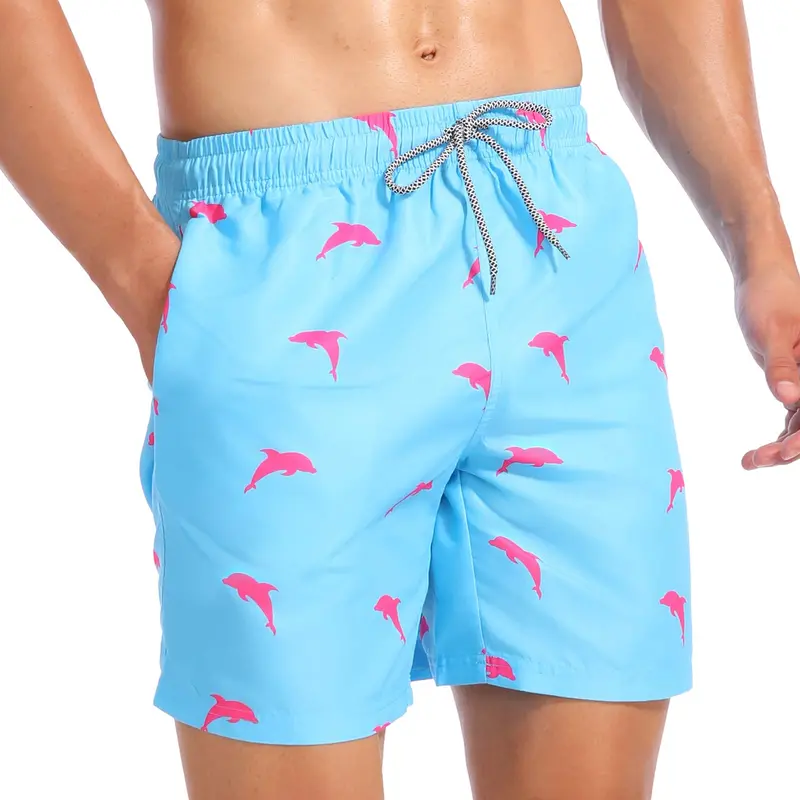
Not every swim trunk needs a liner. There are scenarios where netting-free options make genuine sense, though they come with important trade-offs to understand.
Board shorts are the most common netting-free option. Originally designed for surfers, board shorts fit more closely to the waist and have less material overall. The snug fit reduces the need for internal support structures.
Swim briefs and jammers are form-fitting enough that they provide their own support through the outer shell. The tight fit against the body replaces what a liner would do in looser trunks.
Unlined trunks appeal to minimalists and men with sensitive skin who find even soft netting irritating. If choosing unlined trunks, wearing thin athletic compression shorts underneath gives you back the support and chafe protection the liner would have provided.
This is one of the most important practical points about why men’s swim trunks have netting. The liner is specifically designed to replace underwear. Wearing cotton briefs or boxers underneath defeats the purpose entirely and creates new problems.
Cotton absorbs enormous amounts of water and holds it for hours. Cotton underwear worn under swim trunks adds significant weight, stays soaking wet long after you leave the water, and dramatically slows down the drying time of the entire garment.
Wet cotton trapped against skin for hours creates the ideal environment for rashes, fungal infections, and bacterial growth. It also tends to bunch and bind in ways that cause more chafing than wearing nothing under the swim trunks at all. The mesh liner is the solution — not an addition to manage.
Many men find swim trunk netting uncomfortable and are tempted to cut it out. While this is technically possible, it is something most experts and swimwear designers advise strongly against.
Removing the netting eliminates all the benefits it provides — support, chafe protection, modesty, breathability, and quick-dry performance. Without the liner, the trunks become essentially a pair of regular fabric shorts that happen to be made from swim-grade material.
If the mesh liner is the problem — scratchy texture, bunching, sand trapping — the better solution is to replace the trunks with a pair that has a compression liner instead of traditional mesh. That addresses every mesh-related complaint while preserving all the functional benefits of an inner layer.
Choosing the right liner type comes down to how and where you use your swim trunks most.
For casual beach and pool days with minimal physical activity, a traditional mesh basket liner works fine. It provides the necessary support and breathability without any additional complexity.
For active use — swimming, water sports, beach volleyball, surfing, or anything involving significant movement — a compression liner is the clear winner. It stays in place, prevents chafing more reliably, and moves with your body rather than against it.
For men with sensitive skin who find any liner irritating, trying an anti-chafe liner style or a softer compression fabric before going fully lineless is worth attempting. Going without a liner entirely should be the last resort, not the first solution.
One practical consideration that rarely gets discussed is how mesh liners hold up to repeated chlorine exposure. Pool chlorine is a bleaching agent that degrades fabric over time.
Quality polyester mesh liners have a natural resistance to chlorine that makes them significantly more durable than natural fiber alternatives. A well-made polyester mesh liner can survive a full season of daily pool use without significant degradation.
Rinsing swim trunks with fresh water immediately after pool use dramatically extends the life of both the outer shell and the mesh liner. This simple habit washes away chlorine before it has time to break down the polyester fibers and weaken the netting structure.
Saltwater presents a different set of challenges from chlorinated pool water. Salt crystals left in fabric after the water evaporates are abrasive and can accelerate wear on both the outer shell and the mesh liner.
Always rinse swim trunks thoroughly in fresh water after ocean swimming. This removes salt before it crystallizes in the fabric weave and netting. Allow the trunks to dry in shade rather than direct sunlight, as UV exposure degrades polyester faster than salt or chlorine alone.
Sand is the other saltwater-adjacent problem with mesh liners. The open holes in mesh netting can trap fine sand particles that are uncomfortable against skin and difficult to remove. A compression liner eliminates this problem entirely since it has no open mesh for sand to lodge in.
Proper care dramatically extends the life of the mesh liner and keeps it performing at its best. The netting is more delicate than the outer shell and responds poorly to heat and harsh chemicals.
Machine wash in cold water on a gentle cycle with a mild detergent. Avoid hot water, which causes polyester and nylon to degrade and lose their structural integrity faster than normal wear.
Never tumble dry swim trunks with a mesh liner on high heat. Line drying or laying flat to dry is ideal. If using a dryer, use the lowest heat setting only. High heat can permanently warp or shrink the mesh netting and cause it to pull awkwardly against the outer shell stitching.
Swim trunk netting acts as a built-in liner that replaces underwear, providing support, preventing chafing, maintaining modesty when wet, and allowing breathability and quick-drying performance in and out of the water.
No — the netting is specifically designed to replace underwear. Wearing cotton underwear underneath traps water for hours, increases chafing risk, and creates conditions that encourage bacterial and fungal growth on skin.
You can cut it out, but it is strongly not recommended. Removing the liner eliminates support, chafe protection, and modesty coverage, and the better solution for mesh discomfort is switching to swim trunks with a compression liner instead.
Swim trunk netting is most commonly made from polyester or nylon. Both are lightweight, breathable, chlorine-resistant, and quick-drying synthetic fibers specifically chosen for their performance in wet environments.
A mesh liner is a loose, brief-shaped netting that provides light support and airflow. A compression liner is a fitted inner short made from stretch polyester and spandex that stays in place during active use and eliminates the bunching and sand-trapping issues of traditional mesh.
Traditional mesh netting has seams and an open weave that can rub against skin during extended or active wear, especially once it shifts or bunches. Switching to a compression liner or anti-chafe liner style eliminates most mesh-related chafing entirely.
No. Board shorts, swim briefs, and jammers often come without inner netting. There is also a growing market for explicitly unlined swim trunks for men who prefer freedom of movement without any inner liner layer.
The open holes in traditional mesh netting allow fine sand particles to enter and become lodged in the fabric structure during ocean swimming and beach activity. Compression liners, which have no open mesh, solve this problem completely.
Machine wash in cold water on a gentle cycle with mild detergent, then line dry or dry flat. Avoid hot water and high-heat drying, as both degrade polyester and nylon mesh fibers and can cause the liner to warp or shrink against the outer shell.
Board shorts were originally designed for surfers who need maximum freedom of movement without any internal liner that could restrict motion. Their closer fit at the waist also provides more natural support than the looser cut of traditional swim trunks.
Why do men’s swim trunks have netting comes down to one essential design goal — making swimwear that works without underwear by building everything underwear does directly into the garment.
The mesh liner provides support, prevents chafing, maintains modesty when soaked, promotes breathability, and accelerates drying.
In 2026, the technology behind that inner layer has evolved significantly, with compression liners now offering superior performance for active wearers compared to traditional loose mesh.
Whether you prefer classic netting or have already made the switch to compression, understanding what that inner layer does helps you make better buying decisions and take better care of the swim trunks you already own.