

Why is the roof of my mouth swollen is one of the most common dental questions people search when eating or talking suddenly feels uncomfortable. The roof of your mouth, known as the palate, reacts quickly to heat, injury, infection, and even stress.
Most cases are mild and resolve within a few days using simple home care. However, some causes need attention from a dentist or doctor before they get worse.
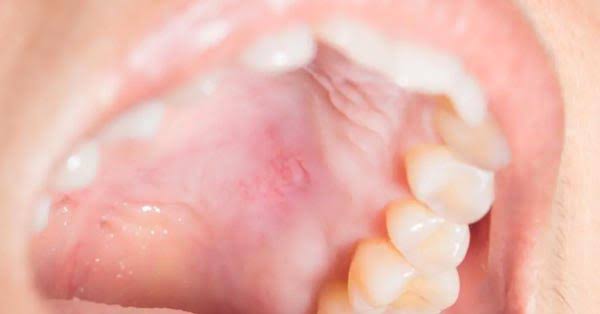
The roof of your mouth is called the palate. It separates your mouth from your nasal cavity above it.
The front section is called the hard palate, supported by bone. The back section is the soft palate, made of flexible muscle and tissue.
Because the soft palate lacks bone protection, it tends to swell and irritate more easily. This is why swelling often starts near the back of the mouth.
Swelling rarely shows up alone. Most people notice a combination of symptoms appearing together.
Common signs include redness, tenderness, and a burning sensation. Some people also notice small bumps, blisters, or a feeling of tightness.
Difficulty swallowing, dry mouth, and mild pain while eating are also frequently reported. These symptoms usually point toward a treatable, short-term cause.
Thermal burns are the single most common reason for a swollen palate. Hot pizza, soup, coffee, and tea can easily scorch the delicate tissue.
The roof of the mouth has thinner skin than other areas. This makes it especially vulnerable to sudden temperature changes.
What helps: Sip cool water, avoid reheating the burn with more hot food, and let the area rest for a few days without irritation.
Crunchy snacks like chips, hard bread, or popcorn can scratch the roof of the mouth. Even a small scrape can lead to noticeable swelling.
Dental appliances such as braces, retainers, or ill-fitting dentures can also rub against the palate repeatedly. This creates ongoing irritation rather than a single injury.
What helps: Switch to softer foods temporarily and have any rubbing dental appliance adjusted by a professional as soon as possible.
Canker sores are small, round ulcers that can develop on the palate. They are not contagious and often appear after stress or minor injury.
These sores can cause pain and swelling even before the ulcer becomes visible. Most people notice tenderness a day or two before the sore appears.
What helps: Rinse gently with warm salt water, avoid acidic foods, and allow the sore to heal naturally over one to two weeks.
Unlike canker sores, cold sores come from the herpes simplex virus. They can appear on the hard palate as well as near the lips.
Cold sores often begin with tingling or burning before turning into small, fluid-filled blisters. These blisters can rupture and cause additional swelling.
What helps: Avoid touching or picking at the sore, keep the area clean, and use antiviral medication if a doctor has prescribed one.
A mucocele is a soft, painless bump that forms when a salivary gland duct becomes blocked. It can appear on the roof of the mouth or near the lips.
These cysts are filled with mucus and usually feel smooth to the touch. Biting one accidentally can cause temporary swelling and discomfort.
What helps: Most mucoceles disappear on their own within a few weeks. A dentist can drain or remove one that becomes persistent or bothersome.
Oral thrush is a fungal infection caused by an overgrowth of Candida yeast. It often appears as white patches alongside redness and swelling.
People with weakened immune systems, dry mouth, or denture use are more likely to develop thrush. It can affect the palate, tongue, and inner cheeks.
What helps: Antifungal medication prescribed by a dentist or doctor is usually required to fully clear the infection.
Food allergies and sensitivities can cause sudden swelling in the roof of the mouth. Certain fruits, nuts, or shellfish are common triggers for some people.
Reactions to toothpaste, mouthwash, or other dental products can also cause irritation. This is sometimes mistaken for an infection rather than a sensitivity.
What helps: Identify and avoid the suspected trigger, then switch to a gentle, alcohol-free oral care product if dental products are the cause.
The roof of the mouth sits directly below the sinus cavities. Sinus infections can create pressure that radiates down into the palate.
This often comes with additional symptoms like nasal congestion, facial pressure, and headaches. The swelling tends to feel deep rather than localized to one spot.
What helps: Treating the underlying sinus infection, through rest, hydration, or prescribed medication, usually resolves the palate discomfort as well.
Dehydration reduces saliva production, leaving the mouth dry and more prone to irritation. A dry palate becomes more sensitive and swells more easily.
This is especially common after illness, intense exercise, or simply forgetting to drink enough water throughout the day.
What helps: Increase water intake, limit caffeine and alcohol, and consider a humidifier at night if dry mouth happens often.

A dental abscess is a pocket of infection that can form near the roots of a tooth. Swelling can spread upward into the roof of the mouth.
This type of swelling is usually accompanied by intense pain, fever, and sometimes a visible pimple-like bump on the gums.
What helps: A dental abscess requires professional treatment, often including drainage and antibiotics prescribed by a dentist.
Low levels of certain vitamins can make the mouth more prone to swelling and sores. Vitamin B12, folate, and iron deficiencies are the most common culprits.
People with restrictive diets or certain absorption issues are more likely to experience this type of swelling repeatedly.
What helps: A blood test from your doctor can confirm a deficiency, after which dietary changes or supplements are usually recommended.
Hormonal shifts during pregnancy or menstruation can sometimes cause mild swelling or sensitivity in the mouth. This is generally temporary and harmless.
Increased blood flow and changing hormone levels can make oral tissue more reactive than usual during these periods.
What helps: Good oral hygiene and staying hydrated are usually enough, since symptoms typically fade once hormone levels stabilize.
Squamous papillomas are small, noncancerous growths linked to the human papillomavirus. They can appear as a soft, cauliflower-like bump on the palate.
These growths are usually painless and slow-growing. Many people do not notice them until a dentist points one out during a checkup.
What helps: While typically harmless, a dentist may recommend removal once the growth is identified and confirmed as benign.
In rare cases, persistent swelling on the palate can be linked to oral cancer or systemic diseases like Sjögren’s syndrome or lupus.
Warning signs include a sore that does not heal after two weeks, unexplained bleeding, or a lump that keeps growing.
What helps: Any of these warning signs should prompt an immediate evaluation from a dentist or doctor, including a possible biopsy.
This table summarizes the most common causes side by side for quick comparison.
| Cause | Typical Symptom | Usual Duration |
|---|---|---|
| Thermal Burn | Redness, mild pain | 3 to 7 days |
| Canker Sore | Small painful ulcer | 1 to 2 weeks |
| Cold Sore | Blister, tingling | 7 to 10 days |
| Mucocele | Painless soft bump | Weeks, may need removal |
| Oral Thrush | White patches, redness | Until treated |
| Dental Abscess | Severe pain, fever | Until treated |
| Allergic Reaction | Sudden swelling | Hours to a day |
Most mild cases respond well to simple home care. Comfort measures can speed up healing while reducing pain along the way.
A warm saltwater rinse, used two to three times daily, can reduce inflammation and help keep the area clean.
Cold compresses applied to the outside of the cheek can also ease swelling, especially after a burn or minor injury.
Over-the-counter pain relievers like ibuprofen or acetaminophen may help with discomfort. Always follow the dosage instructions printed on the package label.
What you eat plays a big role in how quickly the roof of your mouth recovers. Some foods soothe the area, while others slow healing.
| Foods to Choose | Foods to Avoid |
|---|---|
| Yogurt and smoothies | Hot soups and coffee |
| Mashed potatoes | Spicy or acidic dishes |
| Ice cream or popsicles | Crunchy chips and crackers |
| Room-temperature soups | Alcohol and carbonated drinks |
Sticking to soft, cool foods for a few days gives the irritated tissue time to heal without further aggravation.
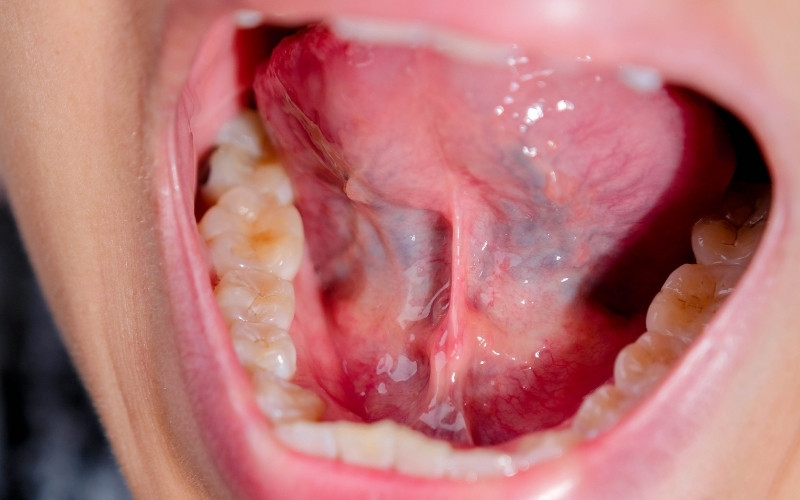
Most swelling improves within a week using home care alone. However, certain signs mean it is time to schedule a professional visit.
See a dentist or doctor if swelling lasts more than two weeks, keeps getting worse, or returns frequently without a clear cause.
Fever, pus, severe pain, or a lump that does not shrink are also strong reasons to seek prompt evaluation rather than waiting it out.
While rare, some symptoms point to a more urgent situation that needs immediate care rather than a routine appointment.
Seek emergency care if swelling spreads quickly, makes breathing difficult, or is accompanied by swelling of the lips, tongue, or throat.
These signs can indicate a severe allergic reaction, which can become life-threatening within minutes if left untreated.
Simple daily habits can lower the chances of dealing with this issue again. Prevention is often easier than treatment.
Let hot foods and drinks cool slightly before eating, chew carefully around crunchy snacks, and stay consistently hydrated throughout the day.
Routine dental checkups also help catch small issues, like rubbing dental appliances or early infections, before they cause noticeable swelling.
Sudden swelling is often caused by a thermal burn, an allergic reaction, or minor trauma from sharp or hot food.
Mild cases typically heal within three to seven days, while infections or ulcers may take one to two weeks.
Yes, dehydration reduces saliva flow, which dries out and irritates the palate, sometimes leading to mild swelling.
Rarely. Oral cancer is uncommon and usually involves a sore that does not heal for more than two weeks.
No, popping a blister increases infection risk and can slow down the natural healing process.
Avoid hot, spicy, acidic, or crunchy foods, and choose soft, cool options like yogurt or smoothies instead.
Yes, stress can trigger canker sores and weaken the immune system, making swelling more likely.
See a dentist if swelling lasts more than two weeks, worsens, or comes with fever, pus, or severe pain.
Yes, food allergies and reactions to dental products like mouthwash or toothpaste can both trigger swelling.
Yes, ill-fitting braces or retainers can rub against the palate, causing irritation that a dentist can adjust.
Why is the roof of my mouth swollen usually has a simple answer, like a hot food burn, a minor scratch, or a canker sore that heals on its own. Most cases improve within a week using cool foods, saltwater rinses, and basic hydration.
However, swelling that lasts beyond two weeks, returns often, or comes with fever, pus, or a non-healing sore deserves a proper evaluation.
Rare causes like dental abscesses, fungal infections, or oral cancer need professional treatment rather than home care alone. Paying attention to your symptoms and acting early is the best way to stay comfortable and catch anything serious before it becomes a bigger problem.