
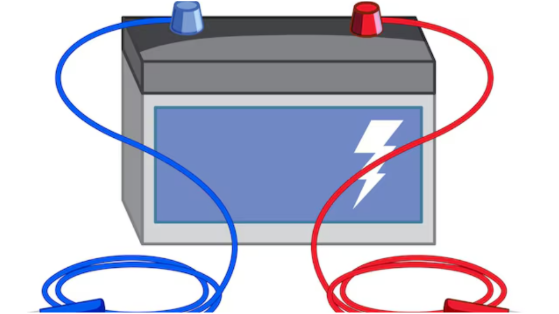
Absorbent Glass Mat (AGM) lead acid batteries stand as a prominent innovation in battery technology, offering substantial benefits over traditional lead acid batteries. Designed with practicality and efficiency in mind, these batteries have carved a niche in numerous applications due to their reliability, longevity, and advanced technical features. When purchasing AGM lead acid batteries, discerning users can find an extensive selection at RS Components MY | Buy AGM lead acid batteries.
AGM batteries utilise a specialised structure in which fibreglass mats absorb and immobilise the electrolyte. This design enables the battery to maintain its electrolyte without the risk of spillage or leakage, a common issue in traditional flooded lead acid batteries. The immobilisation of electrolytes also allows AGM batteries to be mounted in various orientations, thus providing flexibility in design and installation across different electronic devices and vehicles.
AGM lead acid batteries showcase several advantages that make them a preferred choice in varied sectors. Notably, they offer higher power capacity, which is crucial for applications requiring robust energy output. Additionally, these batteries boast rapid charging times and reduced self-discharge rates, allowing them to maintain their charge for extended periods when not in use. Their design inherently resists vibration and shock, thereby increasing their durability and lifecycle.
The automotive industry extensively utilises AGM batteries, particularly in vehicles equipped with advanced systems requiring stable energy supply, such as start-stop technology and regenerative braking. Beyond automotive applications, AGM batteries are ideal for use in backup power solutions, telecommunications, and renewable energy systems, where uninterrupted power is paramount. Their deep cycle capabilities also allow them to be employed in marine, RV, and solar power systems, demonstrating their versatility across various energy-dependent domains.
Environmental impact is a crucial consideration in the modern landscape of energy storage solutions. AGM batteries score favourably in this regard, as they are generally easier to recycle compared to alternative battery technologies. The lead and acid components are reclaimable and can be efficiently processed, reducing the environmental footprint associated with disposal. Moreover, the closed cell design minimises the risk of acid leaks, which can be environmentally detrimental.
While AGM batteries are often touted as maintenance-free, understanding the specific requirements can enhance their longevity and performance. Unlike traditional lead acid batteries, AGM variants do not require regular water refills. However, appropriate charging regimens are essential to prevent overcharging, which can compromise cell integrity. Implementing a management system that monitors charging cycles can be beneficial, ensuring that the battery provides optimal performance throughout its lifespan.
In critical systems where power reliability is non-negotiable, AGM lead acid batteries offer a viable solution. Uninterruptible power supplies (UPS) and emergency lighting systems depend heavily on the quick discharge and recharge capabilities that AGM batteries provide. Their ability to perform effectively in a range of temperatures further reinforces their suitability for mission-critical applications.
As technology advances, AGM lead acid batteries continue to evolve, with manufacturers constantly improving their design and efficiency. Innovations are being pursued to enhance their energy density and reduce weight, making them even more attractive for both consumer and industrial applications. One can ascertain that AGM technology will remain a significant player in the energy storage market, particularly as the demand for reliable, eco-friendly battery solutions grows.
When selecting a battery technology, it is crucial to understand how AGM batteries compare with other options like lithium-Ion (Li-ion) and nickel-metal hydride (NiMH) batteries. AGM batteries tend to offer a balance between cost-efficiency and performance. Although Li-ion batteries provide higher energy density and lighter weight, they are often more expensive and require special handling due to their chemical composition. NiMH batteries, while safer than Li-ion, do not match the lifecycle and lower self-discharge rate of AGM batteries.
AGM batteries thus present a formidable option across numerous applications, balancing cost, reliability, and maintenance considerations effectively. Their continued relevance and adaptability highlight the sustained investment in modified lead acid battery technologies.
In sum, despite the emergence of various battery technologies, AGM lead acid batteries retain their importance across several sectors, thanks to their robust design and versatility. Whether in automotive, emergency systems, or renewable energy, their practical applications continue to expand, aligning with technological advancements and environmental considerations.