
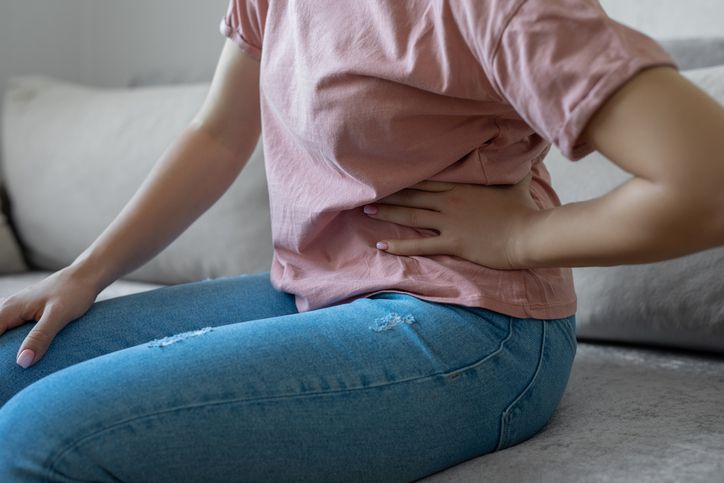
Why does my left side of my stomach hurt is one of the most searched health questions online, and for good reason — pain on the left side of the abdomen can range from a minor gas bubble to a serious medical emergency.
The left side of your abdomen houses several vital organs including the stomach, spleen, pancreas, left kidney, and parts of the colon. Pain in this area can originate from any of these organs.
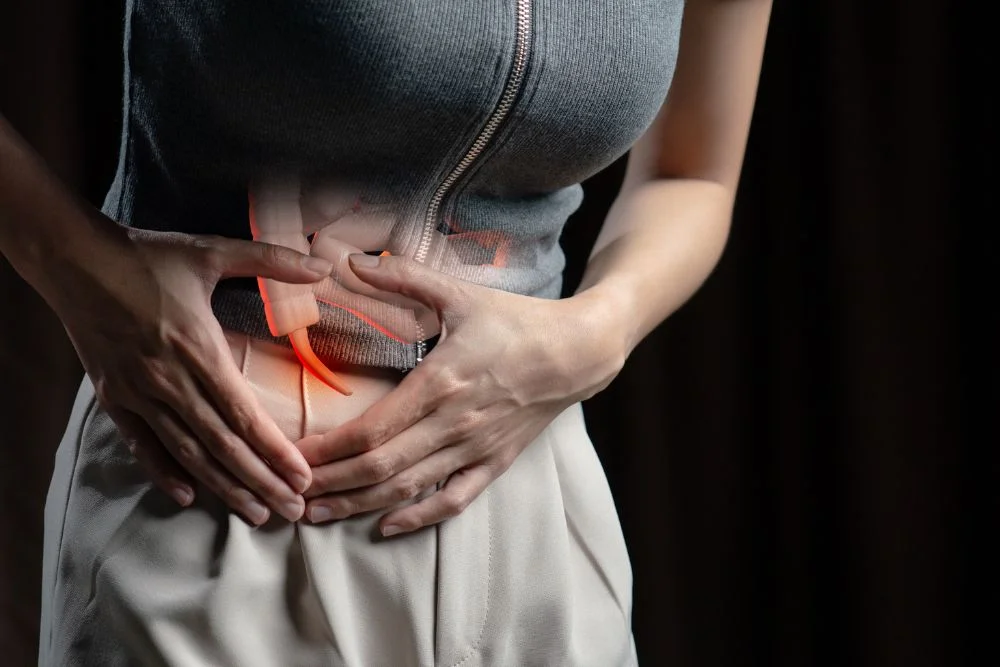
Understanding which organs sit on the left side helps you connect your pain to a possible cause.
The left abdomen is divided into two zones: the upper left quadrant and the lower left quadrant. Each zone contains different organs, and pain location gives important clues.
Upper Left Quadrant (ULQ) contains:
Lower Left Quadrant (LLQ) contains:
The exact location of your pain — upper left, lower left, near the ribs, near the hip — tells a doctor a great deal before any test is run.
Upper left pain points toward the stomach, spleen, or pancreas. Lower left pain most commonly involves the colon, kidneys, or in women, the reproductive organs.
Pain that moves or radiates is called referred pain. For example, kidney stone pain can start in the back and radiate to the groin. Heart conditions can also refer pain to the left abdomen.
Here is a full overview of the most common causes, organized from mild to serious.
| Cause | Pain Location | Key Symptoms | Urgency |
|---|---|---|---|
| Gas and bloating | Anywhere in abdomen | Cramping, pressure, burping | Low |
| Constipation | Lower left | Infrequent bowel movements, hard stool | Low |
| Indigestion | Upper left | Burning, fullness after eating | Low |
| IBS | Lower left or diffuse | Cramping, diarrhea, constipation alternating | Low–Moderate |
| Gastritis | Upper left | Burning pain, nausea, loss of appetite | Moderate |
| Diverticulitis | Lower left | Steady severe pain, fever, nausea | High |
| Kidney stones | Left flank to groin | Intense waves of pain, blood in urine | High |
| Kidney infection | Left back/flank | Fever, burning urination, chills | High |
| Pancreatitis | Upper left, radiates to back | Severe constant pain, vomiting | Very High |
| Enlarged spleen | Upper left under ribs | Fullness, tenderness | Moderate–High |
| Ovarian cyst (women) | Lower left | Sharp or dull pelvic pain | Moderate–High |
| Ectopic pregnancy (women) | Lower left | Severe pain, dizziness, vaginal bleeding | Emergency |
| Bowel obstruction | Lower left | No bowel movements, severe cramps, bloating | Emergency |
Gas is by far the most common reason for left side stomach pain, and it is also the least serious.
When gas builds up in the descending colon — which runs down the left side of the abdomen — it can cause sharp, stabbing, or crampy pain that comes and goes. It often improves after passing gas or having a bowel movement.
Common triggers include eating too fast, carbonated drinks, high-fiber foods like beans and cabbage, and swallowing air. The pain can feel alarming but usually resolves on its own within minutes to hours.
Constipation causes pain in the lower left abdomen because stool builds up in the sigmoid colon, which curves through the lower left side.
The pain is typically dull, aching, or crampy. You may also notice a hard, bloated abdomen and infrequent or difficult bowel movements. Increasing water intake, dietary fiber, and physical activity usually resolves mild constipation within a day or two.
If constipation is severe, persistent, or accompanied by vomiting or the inability to pass gas, seek medical care promptly.
Indigestion — also called dyspepsia — causes discomfort in the upper left abdomen, especially after eating. You may feel burning, fullness, or nausea. It is usually triggered by spicy or fatty foods, overeating, alcohol, or eating too quickly.
Gastritis is a more serious form of stomach irritation. It involves inflammation of the stomach lining, often caused by H. pylori bacterial infection, regular use of NSAIDs like ibuprofen, or excessive alcohol. The pain tends to be a burning sensation that may worsen when the stomach is empty.
Mild gastritis is managed with dietary changes and antacids. Persistent gastritis, especially with vomiting or weight loss, requires medical evaluation and possible testing for H. pylori.
IBS is one of the most common chronic causes of recurring left side stomach pain, especially in the lower left abdomen.
IBS affects the large intestine and causes cramping, bloating, and irregular bowel habits — alternating between diarrhea and constipation. Symptoms often flare up after eating certain foods, during periods of stress, or due to hormonal changes.
IBS is not dangerous but can significantly affect quality of life. It is a diagnosis of exclusion, meaning a doctor must rule out other conditions first. Management includes dietary changes, stress management, and sometimes medication.
Diverticulitis is one of the most important causes of persistent left lower abdominal pain, particularly in adults over 40.
It occurs when small pouches called diverticula, which form in the walls of the colon, become inflamed or infected. These pouches predominantly form in the sigmoid colon in the lower left abdomen. The pain is typically steady, sharp, and localized to the left lower side. It worsens when the area is touched.
Common symptoms of diverticulitis include:
Mild diverticulitis is treated with antibiotics and a liquid diet. Severe cases may require hospitalization or surgery. Do not ignore this type of pain if it is accompanied by fever — untreated diverticulitis can cause serious complications like abscess formation or bowel perforation.
Kidney stones are one of the most painful causes of left side abdominal pain. They are small, hard deposits of calcium or uric acid that form in the kidney and cause intense pain as they travel through the urinary tract.
The pain from kidney stones often starts in the left flank — the back and side below the rib cage — and radiates toward the lower left abdomen and groin. It comes in waves and can be severe enough to cause nausea and vomiting. Blood in the urine is a hallmark sign.
Kidney stones require medical evaluation. Small stones may pass on their own with increased fluid intake and pain management. Larger stones may need medical intervention such as lithotripsy or ureteroscopy.
A kidney infection occurs when bacteria travel from the bladder up to the kidney. It causes pain in the left flank and lower left abdomen, often accompanied by fever, chills, nausea, and a burning sensation when urinating.
Unlike a simple urinary tract infection, a kidney infection is more serious and requires prompt antibiotic treatment. Left untreated, it can lead to kidney damage or spread to the bloodstream.
If you have left-sided back or abdominal pain combined with fever and painful urination, see a doctor the same day.
The pancreas sits behind the stomach, crossing both the upper left and center of the abdomen. When it becomes inflamed — a condition called pancreatitis — it causes severe, constant pain in the upper left abdomen that often radiates to the back.
Pancreatitis pain is typically described as unrelenting and worsened by eating. It is often accompanied by nausea and vomiting. Common causes include gallstones, chronic alcohol use, and certain medications.
Acute pancreatitis is a medical emergency. If you experience sudden, severe upper left abdominal pain with vomiting, go to the emergency room immediately.
The spleen sits in the upper left abdomen just below the rib cage. Normally about the size of a fist, the spleen can enlarge due to infections (like mononucleosis), liver disease, blood disorders, or certain cancers.
Symptoms of an enlarged spleen include pain or fullness in the upper left abdomen, a feeling of fullness after eating only a small amount, and tenderness when the area is pressed.
A ruptured spleen is a medical emergency that usually follows trauma such as a car accident or sports injury. It causes sudden, severe left upper abdominal pain, dizziness, and signs of internal bleeding.
Acid reflux occurs when stomach acid flows backward into the esophagus. While it primarily causes heartburn — a burning sensation in the chest — the pain can radiate to the upper left abdomen.
GERD (gastroesophageal reflux disease) is the chronic version of acid reflux. The upper left abdominal discomfort from GERD can sometimes be mistaken for heart problems. If you have left-sided chest and abdominal pain together with shortness of breath, seek emergency care immediately.
A bowel obstruction occurs when something blocks the passage of food or stool through the small or large intestine. It causes crampy, progressively worsening abdominal pain, bloating, nausea, vomiting, and the inability to pass gas or have a bowel movement.
An obstruction in the descending colon or sigmoid colon will cause pain specifically in the lower left abdomen. This is a serious medical emergency and requires immediate hospital care.
Women have additional organs in the lower left abdomen — the left ovary and left fallopian tube — which means they face additional possible causes of left-sided pain.
Menstrual cramps are one of the most common causes of lower left abdominal pain in women. They occur when prostaglandins cause the uterus to contract, and pain can be felt on both sides or more intensely on one side.
The pain typically begins just before or at the start of the menstrual period and lasts one to three days. Over-the-counter anti-inflammatory medications like ibuprofen and a heating pad are effective for most cases.
Ovarian cysts are fluid-filled sacs that grow on the ovary. Small cysts are common and often cause no symptoms. Larger cysts can cause a dull ache or sharp pain in the lower left abdomen, depending on which ovary is affected.
A ruptured ovarian cyst causes sudden, severe pain and may lead to internal bleeding. Seek emergency care immediately if you experience sudden sharp left pelvic pain, dizziness, or fainting.
Some women experience pain on one side of their lower abdomen during ovulation, roughly in the middle of their menstrual cycle. This is called mittelschmerz — German for “middle pain.”
The pain is usually mild to moderate and lasts from a few minutes to a few hours. It is not dangerous but can be confused with other causes of lower left pain. If ovulation pain is severe or prolonged, consult a doctor to rule out ovarian cysts or other conditions.
Endometriosis occurs when tissue similar to the uterine lining grows outside the uterus, sometimes affecting the left ovary or fallopian tube. It causes chronic pelvic pain that is often worse during menstruation.
The pain can be severe and debilitating. Endometriosis is a progressive condition and requires proper diagnosis and management, which may include hormonal therapy or surgery.
An ectopic pregnancy occurs when a fertilized egg implants outside the uterus, most commonly in a fallopian tube. If the left tube is involved, the pain will be felt on the left side.
This is a life-threatening emergency. As the ectopic pregnancy grows, it can rupture the fallopian tube, causing severe internal bleeding. Symptoms include sudden severe lower left pain, dizziness, fainting, vaginal bleeding, and signs of shock.
If you are pregnant or could be pregnant and experience sudden left lower abdominal pain, go to the emergency room without delay.
PID is an infection of the female reproductive organs — the uterus, fallopian tubes, and ovaries — usually caused by sexually transmitted infections like chlamydia or gonorrhea.
Symptoms include lower abdominal pain (often both sides but can be left-dominant), fever, abnormal vaginal discharge, and painful urination. PID requires prompt antibiotic treatment. If left untreated, it can cause permanent damage to the reproductive organs and lead to infertility.
While most gastrointestinal causes are the same for both sexes, men face a few additional considerations.
An inguinal hernia occurs when tissue — usually part of the intestine — pushes through a weak spot in the abdominal muscles near the groin. Men are significantly more likely to develop inguinal hernias than women.
The pain is felt in the lower left or right abdomen and groin area. You may notice a visible bulge that becomes more prominent when standing, coughing, or straining. A strangulated hernia — where the blood supply to the trapped tissue is cut off — is a medical emergency.
Problems with the left testicle, such as testicular torsion (twisting of the testicle), epididymitis (inflammation), or varicocele (enlarged veins), can cause referred pain to the lower left abdomen.
Testicular torsion is a medical emergency — it causes sudden, severe pain and requires surgery within hours to save the testicle.
Some causes of left side stomach pain are genuine emergencies. Do not wait to seek help if you experience any of the following.
| Red Flag Symptom | Possible Serious Cause |
|---|---|
| Sudden, severe, unbearable pain | Ruptured spleen, ectopic pregnancy, bowel obstruction |
| High fever with abdominal pain | Diverticulitis, kidney infection, PID, peritonitis |
| Blood in urine | Kidney stones, kidney infection, bladder issues |
| Blood in stool or black tarry stools | Gastrointestinal bleeding, bowel perforation |
| Vomiting that won’t stop | Pancreatitis, bowel obstruction, kidney stones |
| Dizziness, fainting, or signs of shock | Internal bleeding, ectopic pregnancy |
| Chest pain with left abdominal pain | Heart attack, aortic dissection |
| Rigid or board-like abdomen | Peritonitis, perforation |
| Pain during early pregnancy | Ectopic pregnancy emergency |
| Inability to pass gas or stool | Bowel obstruction |
Not every cause of left side stomach pain is an emergency. You should schedule a doctor’s appointment if:
A doctor will take a detailed history, perform a physical examination, and may order blood tests, urine tests, ultrasound, or a CT scan to determine the cause.
Doctors use a combination of tools to diagnose the cause of left-sided abdominal pain.
Physical examination: The doctor will press on different areas of your abdomen to check for tenderness, rigidity, or guarding.
Blood tests: A complete blood count (CBC) checks for infection or anemia. A metabolic panel checks kidney and liver function. An amylase or lipase test helps detect pancreatitis.
Urine tests: Urinalysis can detect kidney infections, kidney stones, or bladder problems.
Imaging:
Colonoscopy or endoscopy: Used when bowel conditions like diverticulitis, IBS, IBD, or colorectal issues are suspected.
When the cause is clearly mild — gas, indigestion, or constipation — these home remedies can provide relief.
For gas and bloating:
For constipation:
For indigestion:
For IBS flare-ups:
Important: Home remedies are only appropriate for clearly mild symptoms. If you are unsure of the cause, or if symptoms are worsening, always seek medical advice rather than self-treating.
The character of your pain provides important diagnostic clues.
| Pain Type | What It Might Mean |
|---|---|
| Sharp, stabbing pain | Gas, kidney stones, ovarian cyst rupture, ectopic pregnancy |
| Dull, aching pain | IBS, constipation, ovarian cyst, muscle strain |
| Crampy, colicky pain | Gas, IBS, menstrual cramps, kidney stones |
| Burning pain | Gastritis, GERD, acid reflux |
| Constant, severe pain | Diverticulitis, pancreatitis, bowel obstruction |
| Pain that comes in waves | Kidney stones, bowel spasm, menstrual cramps |
| Pain that worsens when touched | Diverticulitis, peritonitis, enlarged spleen |
| Pain radiating to back | Pancreatitis, kidney stones, kidney infection |
| Pain radiating to groin | Kidney stones, inguinal hernia, testicular issues |
Several everyday habits make left-sided abdominal pain more likely.
Poor diet: A low-fiber diet increases the risk of constipation and diverticulitis. High-fat, spicy, or processed foods worsen gastritis, GERD, and IBS.
Dehydration: Insufficient fluid intake is a major contributor to constipation and kidney stones.
Sedentary lifestyle: Lack of physical activity slows digestion, increases constipation, and reduces gut motility.
Stress: Chronic stress directly affects gut function and is a major trigger for IBS flares and indigestion.
Alcohol and smoking: Both damage the stomach lining, increase the risk of gastritis and pancreatitis, and worsen acid reflux.
Overuse of NSAIDs: Regular use of ibuprofen and aspirin erodes the stomach lining, leading to gastritis and ulcers.
Many causes of left-sided abdominal pain can be reduced or prevented with consistent lifestyle habits.
| Age Group | Most Common Causes |
|---|---|
| Children | Gas, constipation, viral gastroenteritis |
| Young adults (18–35) | IBS, gas, gastritis, kidney stones, in women: ovarian cysts, endometriosis |
| Adults (35–60) | Diverticulitis, kidney stones, IBS, gastritis, pancreatitis |
| Older adults (60+) | Diverticulitis, kidney disease, bowel obstruction, colon conditions |
Left side stomach pain after eating is most commonly caused by gas, indigestion, gastritis, or acid reflux. If the pain is persistent or accompanied by vomiting and weight loss, consult a doctor to rule out gastric ulcer or pancreatitis.
In some cases, yes. Heart problems including heart attacks can refer pain to the upper left abdomen. If you have left-sided abdominal and chest pain together with shortness of breath, dizziness, or arm pain, call emergency services immediately.
Sharp lower left pain is often caused by gas, diverticulitis, kidney stones, or in women, ovarian cysts or ectopic pregnancy. If the pain is sudden and severe, seek emergency medical care right away.
Yes. Stress directly impacts gut function and is a well-known trigger for IBS, acid reflux, and indigestion, all of which can cause left-sided abdominal pain. Managing stress through exercise, sleep, and mindfulness can help reduce flare-ups.
Be concerned if the pain is severe, sudden, or worsening, or if it is accompanied by fever, vomiting, blood in stool or urine, dizziness, or inability to pass gas or stool. These are red flags that require immediate medical attention.
Yes. Kidney stones in the left kidney or ureter cause intense, wave-like pain that starts in the left flank and can radiate to the lower left abdomen and groin. Blood in the urine is a common accompanying symptom.
Diverticulitis is inflammation or infection of small pouches in the colon wall. These pouches form most commonly in the sigmoid colon in the lower left abdomen, which is why diverticulitis typically causes persistent lower left abdominal pain, often with fever and changes in bowel habits.
Yes. An enlarged spleen (splenomegaly) causes dull pain or fullness in the upper left abdomen just below the rib cage. A ruptured spleen causes sudden severe pain and is a medical emergency requiring immediate care.
Women have additional organs in the lower left abdomen — the left ovary and fallopian tube. Conditions like ovarian cysts, endometriosis, ovulation pain, menstrual cramps, ectopic pregnancy, and PID are all female-specific causes of left-sided pain that do not affect men.
Doctors diagnose left-sided stomach pain through physical examination, blood tests, urine tests, and imaging such as ultrasound, CT scan, or X-ray. The combination of symptom history and test results helps identify the underlying cause accurately.
Why does my left side of my stomach hurt has many answers — and the right answer depends entirely on where exactly the pain is, what it feels like, how long it has lasted, and what other symptoms accompany it.
Most causes of left side stomach pain are manageable and not dangerous. Gas, constipation, indigestion, and IBS account for the majority of cases.
However, conditions like diverticulitis, kidney stones, pancreatitis, and reproductive emergencies require prompt medical attention.
The key is knowing the warning signs — sudden severe pain, fever, vomiting, blood in urine or stool, and dizziness should all prompt immediate medical evaluation.
Do not ignore left-sided abdominal pain that persists or worsens, and always consult a healthcare professional when in doubt.
Your health is worth taking seriously.