
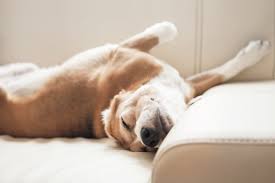
Why do dogs snore? It is one of the most common questions pet owners ask, and the answer is almost never just one thing.
Snoring in dogs happens when airflow through the nose, mouth, or throat gets partially blocked, causing soft tissues to vibrate and produce that familiar rumbling sound.
Sometimes it is completely harmless. Other times it is your dog’s body quietly signaling that something is wrong.

The medical term for snoring is stertor. It describes the noisy, low-pitched breathing sound produced when airflow meets resistance in the upper airway.
When your dog sleeps, the muscles in the throat relax. If the airway is narrow for any reason, air passing through causes those relaxed tissues to vibrate. That vibration is the snore you hear from across the room.
Snoring is extremely common in dogs, but its frequency and intensity vary widely between individual dogs and breeds.
Studies confirm that brachycephalic dogs, those with flat or shortened faces, snore significantly more than dogs with normal muzzle length. However, any dog can snore on occasion regardless of breed.
Occasional snoring during deep sleep is generally normal. It is the persistent, loud, or suddenly changed snoring that deserves a closer look.
One of the most common and completely harmless causes of snoring is sleeping position. When a dog lies flat on their back, the tongue can slide backward toward the throat and partially block the airway.
Similarly, if a dog rests their neck on a pillow, a toy, or the arm of a sofa at an awkward angle, it can compress the airway and trigger snoring. This type of snoring disappears as soon as the dog shifts position.
Certain dog breeds are built in a way that almost guarantees snoring. Brachycephalic breeds have shortened skulls and compressed facial structures, which naturally narrow the airway.
These breeds include:
Their compact anatomy leaves less room for air to travel, so even during normal breathing they produce noise. During sleep, that noise becomes louder and more frequent.
BOAS is a serious condition that affects flat-faced breeds and goes beyond simple snoring. It is a collection of anatomical abnormalities that together obstruct the airway.
| BOAS Abnormality | What It Means |
|---|---|
| Stenotic nares | Narrowed nostrils that restrict airflow |
| Elongated soft palate | Soft tissue that extends too far back toward the trachea |
| Everted laryngeal saccules | Tissue pouches that get pulled into the airway |
| Hypoplastic trachea | A windpipe that is narrower than it should be |
Dogs with BOAS do not just snore during sleep. They may struggle to breathe during exercise, overheat easily, and make loud respiratory sounds even while awake. This condition requires veterinary evaluation and often surgical correction.
Overweight dogs carry extra fat tissue not just around their belly but also in the neck and throat. This excess tissue compresses the airway during sleep and makes snoring far more likely.
Weight gain can turn a dog who never snored into one who does it every night. It can also significantly worsen snoring in breeds already prone to airway issues.
Helping your dog maintain a healthy body weight through proper diet and regular exercise is one of the most effective ways to reduce snoring caused by obesity.
Dogs can develop allergies to pollen, dust mites, mold, household cleaning products, and certain foods. When allergens trigger an inflammatory response in the nasal passages, the resulting swelling narrows the airway.
This narrowed passage makes breathing noisier and leads to snoring. You may notice the snoring is seasonal, which is a strong indicator that environmental allergens are involved.
Signs that allergies may be causing your dog’s snoring:
Just like humans snore more when they have a cold, dogs snore more when they have a respiratory infection. Bacteria or viruses can cause nasal congestion and throat inflammation that makes airflow more difficult.
Kennel cough, canine influenza, and other respiratory illnesses are common culprits. If the snoring appeared suddenly alongside coughing, nasal discharge, lethargy, or a change in appetite, a respiratory infection is a strong suspect.
This one surprises many dog owners. A tooth abscess, particularly in the upper jaw, sits close to the nasal cavity. The bacterial infection can spread and cause inflammation and swelling in nearby tissues.
That swelling can narrow the nasal passage enough to cause snoring. If your dog has recently developed snoring along with bad breath, facial swelling, or reluctance to eat, have their teeth checked by a vet.
Growths inside the airway can partially block the flow of air and produce snoring. Nasal polyps are benign but still disrupt breathing. More concerning are tumors such as nasal carcinoma or fibrosarcoma, which can spread beyond the nasal cavity.
Fluid accumulation, clotted blood, or exudates from an illness or injury can also collect in the nasal cavity and create obstruction. Any sudden snoring with no obvious cause warrants investigation for these possibilities.
Dogs sniff everything. Occasionally a grass seed, piece of food, or small object gets lodged inside the nasal cavity. This foreign body causes partial obstruction and snoring, and it may also cause one-sided nasal discharge or frequent sneezing.
If your dog started snoring suddenly after being outdoors or after eating, a foreign object is worth considering.
Nasal mites are tiny parasites that can live inside a dog’s nasal passages. They cause intense irritation, sneezing, head shaking, nosebleeds, and snoring due to the inflammation and discharge they produce.
They are more common than most people realize and are spread easily between dogs through direct contact. Your vet can diagnose nasal mites and treat them effectively with antiparasitic medication.
As dogs get older, the muscles in the throat naturally lose tone and elasticity. This age-related relaxation of throat muscles makes airway collapse during sleep more likely.
Senior dogs often develop or experience worsening snoring even if they never snored much when they were younger. This is a normal part of aging but should still be monitored for sudden changes.
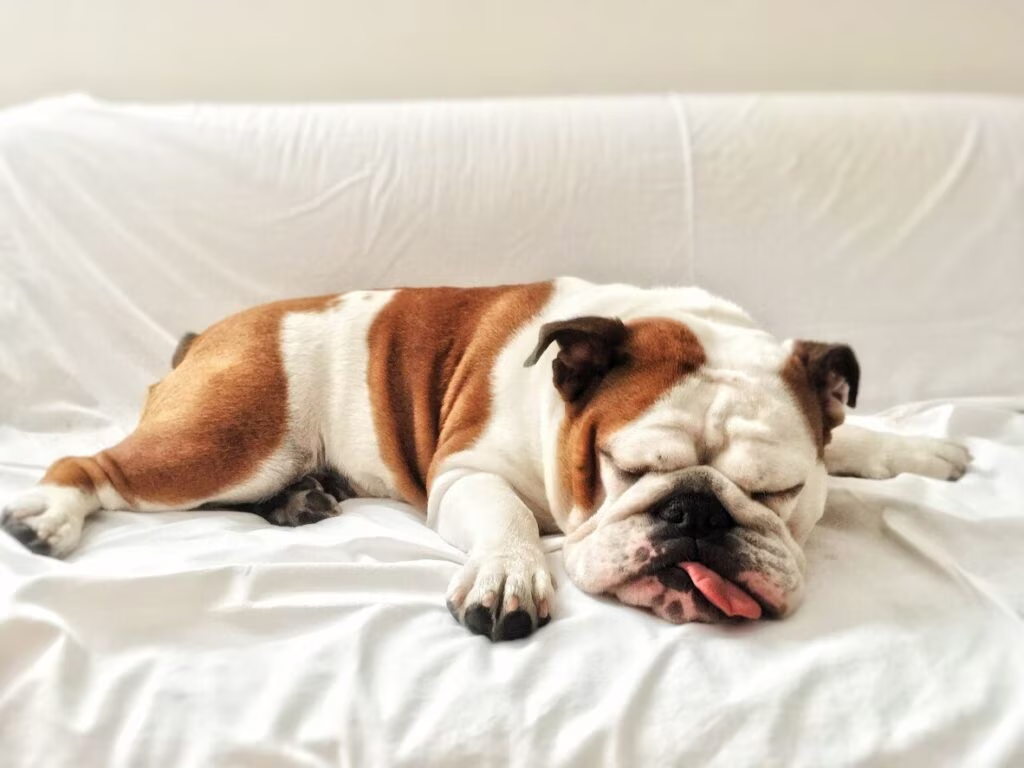
Sleep apnea is more than heavy snoring. It involves brief but repeated pauses in breathing during sleep. It has been studied in dogs, particularly English Bulldogs, where it closely mirrors human sleep apnea.
Dogs with sleep apnea may snore loudly, gasp, wake up suddenly, or appear restless during sleep. It is most common in brachycephalic breeds and overweight dogs. Left unmanaged, it puts strain on the cardiovascular system.
Smoke, strong perfumes, cleaning products, dust, and poor air quality can all irritate a dog’s respiratory tract and contribute to snoring. Dogs are more sensitive to airborne irritants than most people realize.
If you have recently changed cleaning products, started smoking indoors, or moved to a dustier environment and your dog’s snoring has increased, the environment may be to blame.
An underactive thyroid gland can cause weight gain and reduced muscle tone across the body, both of which contribute to snoring. Hypothyroidism is fairly common in middle-aged and older dogs.
If your dog is gaining weight without a dietary change, becoming lethargic, and snoring more, a thyroid panel from your vet is a reasonable next step.
| Breed Category | Examples | Snoring Risk Level |
|---|---|---|
| Brachycephalic (flat-faced) | Pugs, Bulldogs, Frenchies, Boxers, Shih Tzus | Very High |
| Large and heavy breeds | Labrador, Golden Retriever, Mastiff | Moderate (especially if overweight) |
| Senior dogs of any breed | Any breed over 8 years old | Moderate to High |
| Normal muzzle breeds, healthy weight | Border Collie, Whippet, Greyhound | Low |
Not all snoring means something is wrong. The key is knowing the difference between harmless snoring and snoring that signals a problem.
Normal snoring tends to:
Concerning snoring tends to:
Some signs alongside snoring are true emergencies. Do not wait to schedule a routine appointment if you see any of the following.
Go to the vet immediately if your dog shows:
These signs indicate your dog may not be getting enough oxygen and needs emergency care right away.
Even without emergency signs, certain snoring patterns deserve a non-urgent vet visit.
Book an appointment if your dog:
Early diagnosis makes treatment simpler and more effective.
Your vet will begin with a full physical exam and health history. From there, they may recommend additional steps depending on what they find.
| Diagnostic Tool | What It Checks For |
|---|---|
| Physical and oral exam | Tooth abscesses, soft palate issues, nasal discharge |
| Rhinoscopy | Internal view of nasal passages for polyps, foreign objects, mites |
| X-rays or CT scan | Tumors, tracheal abnormalities, structural issues |
| Blood panel and thyroid test | Hypothyroidism, infection, metabolic issues |
| Allergy testing | Environmental and food allergens |
| Sleep observation | Sleep apnea patterns and severity |
Treatment depends entirely on the cause. There is no single solution for all dogs.
For snoring caused by obesity, weight loss through a controlled diet and regular exercise is the most effective intervention. Even moderate weight reduction can noticeably reduce snoring.
Changing the dog’s sleeping environment, such as providing a raised orthopedic bed that supports the head and neck, can reduce positional snoring. Using an air purifier to reduce allergens and irritants in the home also helps many dogs.
If allergies are causing nasal inflammation, your vet may recommend antihistamines, corticosteroids, or immunotherapy. Washing your dog’s bedding frequently, vacuuming regularly, and keeping windows closed during high pollen days can all make a meaningful difference.
For dogs with brachycephalic obstructive airway syndrome, surgery can significantly improve airflow. Common procedures include:
These surgeries are performed by veterinary surgeons and carry some risk due to the anesthesia challenges in brachycephalic breeds. However, when done correctly, they dramatically improve quality of life.
Respiratory infections are treated with appropriate antibiotics or antivirals. Tooth abscesses require dental treatment, which may include extraction and antibiotics.
Both conditions resolve relatively quickly with the right treatment, and snoring caused by these issues typically improves once the underlying problem is addressed.
Foreign bodies and nasal polyps can often be removed by your vet during rhinoscopy. Nasal mites are treated with antiparasitic medications such as ivermectin or milbemycin.
While you cannot change a dog’s anatomy, there are practical steps that help in many cases.
Home management strategies:
These two sounds are often confused. Reverse sneezing is a rapid, forceful inhalation through the nose that sounds like a snort or honk. It happens while awake and typically lasts only a few seconds.
Snoring happens during sleep and is a continuous or semi-continuous sound during breathing. Reverse sneezing is usually harmless and often triggered by excitement, pulling on the leash, or allergens. If unsure which one your dog is doing, record a video and show it to your vet.
Yes, dogs can have sleep apnea. It has been most extensively studied in English Bulldogs, which are used as animal models for research into human sleep apnea.
Dogs with sleep apnea stop breathing briefly during sleep, which disrupts their rest and stresses the cardiovascular system. Signs include loud snoring, gasping, waking suddenly, and appearing tired or irritable during the day despite sleeping a lot.
If you suspect sleep apnea, discuss it with your vet. Treatment may include weight loss, positional adjustments, and in some cases surgery or management of underlying BOAS.
Puppies occasionally snore during deep sleep, especially in the first few months of life. This is often harmless and resolves on its own.
However, persistent loud snoring in a young puppy, particularly a flat-faced breed, may indicate anatomical issues that will not self-resolve. Early evaluation by a vet can catch BOAS or other structural problems before they cause long-term damage.
Older dogs snore more frequently due to reduced muscle tone, age-related weight changes, and a higher likelihood of developing conditions like hypothyroidism or laryngeal paralysis.
Regular wellness checks for senior dogs allow your vet to monitor changes in breathing over time and intervene early when needed. Do not assume new or worsening snoring in an older dog is simply aging.
Loud snoring usually means significant airway restriction, often from breed anatomy, obesity, or an underlying condition that is narrowing the airway more than usual.
For brachycephalic breeds it is common, but for other dogs nightly snoring that has suddenly appeared or worsened deserves a vet evaluation.
Yes, allergies cause nasal inflammation and swelling that restricts airflow during sleep, making snoring more likely especially during high-allergen seasons.
Sudden onset snoring in a dog that previously did not snore is a reason to book a vet appointment since it can indicate an infection, growth, foreign object, or new health condition.
Flat-faced brachycephalic breeds like Pugs, English Bulldogs, French Bulldogs, Boxers, Shih Tzus, and Boston Terriers are most prone to snoring due to their compact airway anatomy.
Yes, losing excess body weight reduces fat tissue around the throat and neck, which directly reduces airway compression and snoring in many dogs.
It can be. If your dog snores loudly, gasps during sleep, wakes suddenly, or seems tired despite long sleep periods, discuss the possibility of sleep apnea with your vet.
You can try repositioning them during sleep, using an air purifier, washing bedding regularly, and maintaining a healthy weight, but persistent snoring needs a vet assessment.
Snoring during wakefulness is more concerning than sleep snoring and often points to significant airway obstruction from BOAS, a growth, or respiratory illness.
Blue or pale gums, gasping for breath, severe labored breathing, collapse, or extreme distress alongside snoring are emergency signs requiring immediate veterinary care.
Why do dogs snore? The honest answer is that it depends entirely on the dog.
For some, it is a quirky and harmless feature of their personality or breed.
For others, it is a quiet signal that their airway is struggling.
The key is learning to tell the difference and acting on what you observe.
Occasional snoring tied to sleeping position or mild congestion is rarely cause for alarm.
But snoring that starts suddenly, gets noticeably worse, happens while your dog is awake, or comes alongside other symptoms is worth taking seriously.
Flat-faced breeds deserve extra attention since their anatomy already puts them at a disadvantage.
Regular vet check-ups, a healthy weight, a clean home environment, and prompt action when something changes are the best tools you have as a dog owner in 2026.
Your dog cannot tell you they are having trouble breathing. Their snoring might be the only way they can.