
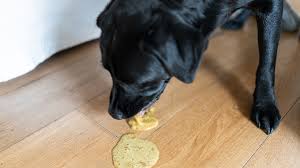
Why do dogs eat their vomit is one of the most searched and most stomach-turning questions in pet ownership.
If you have ever watched your dog throw up and immediately turn around to eat it, you are not alone.
Millions of dog owners witness this every day. While it looks alarming and deeply disgusting to us, the behavior is deeply rooted in canine instinct and evolution.
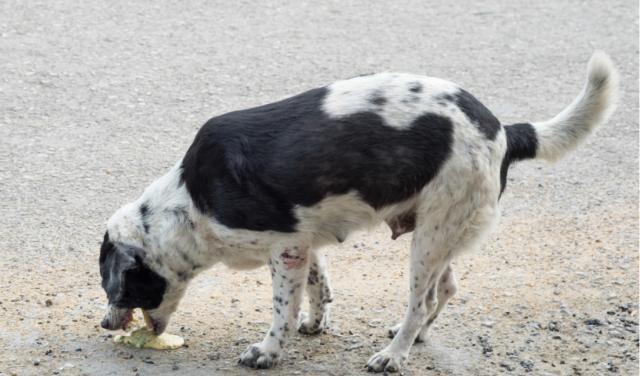
Before diving into why dogs eat their vomit, it is critical to understand that vomiting and regurgitation are two completely different things. Many dog owners use the terms interchangeably, but they have separate causes and require different responses.
Getting this distinction right helps you know how worried to be and what to tell your vet.
Vomiting is an active, forceful process. The dog’s abdominal muscles contract, there is visible heaving and retching, and the stomach contents are expelled with effort.
The dog usually shows signs of nausea beforehand — drooling, lip licking, restlessness, and apprehension. What comes up is partially digested food mixed with bile or stomach acid.
Regurgitation is passive. There is no heaving or abdominal effort. The dog simply lowers its head and undigested food slides back up from the esophagus.
Regurgitated food looks almost the same as when it went down — tubular in shape, coated in mucus, and largely intact. It typically happens within minutes of eating and is far more likely to be re-eaten by the dog.
| Feature | Vomiting | Regurgitation |
|---|---|---|
| Effort required | Active, forceful | Passive, effortless |
| Abdominal heaving | Yes | No |
| Food appearance | Partially digested, mushy | Undigested, tubular |
| Timing after eating | Variable | Usually within minutes |
| Nausea signs | Yes (drooling, restlessness) | No |
| Origin | Stomach or small intestine | Esophagus |
| Common cause | Illness, toxins, eating too fast | Eating too fast, esophageal issues |
There is not one single answer. The behavior comes from a mix of evolutionary instinct, sensory perception, and learned behavior. Here are all the key reasons.
In the wild, dogs and their wolf ancestors had to survive without guaranteed meals. Mother wolves and dogs would pre-chew and regurgitate food for their puppies as a natural part of the weaning process.
This taught generations of dogs that vomited or regurgitated material is a perfectly acceptable food source. Domesticated dogs still carry this deeply wired instinct even though they have a full bowl waiting for them.
The behavior is biologically and behaviorally explainable — it is not a sign of mental illness or a serious problem in most cases.
Humans have around 5 million olfactory receptors. Dogs have up to 300 million. Their sense of smell is estimated to be 10,000 to 100,000 times more powerful than ours.
When a dog looks at a pile of vomit, it does not experience what we experience. It smells the undigested food particles still present in the material — chicken, kibble, treats — all the things it enjoyed eating.
To your dog, vomit is simply another chance at a meal. The disgust response that humans have is not something dogs share.
Puppies learn to eat regurgitated food from their mothers during weaning. The mother chews solid food, partially digests it, and brings it back up for the puppies — this is normal maternal behavior across many mammals.
This teaches puppies from a very young age that material that comes back up is food and is safe to eat. Many dogs carry this lesson into adulthood without ever unlearning it.
A dog that is very hungry may re-eat its vomit simply because it does not want to waste food. This is especially common in dogs that came from shelters, rescue situations, or environments where food was scarce.
Some dogs also show resource-guarding tendencies around vomit — they may eat it quickly before another pet in the household can get to it. This instinct stems from the wild pack mentality where food had to be consumed fast before a competitor took it.
This one is straightforward. If a dog vomited right after eating, the food may barely be digested. It still has flavor, texture, and smell that the dog finds appealing.
Dogs do not have the same relationship with taste and texture that humans do. What we find repulsive — the stomach acid, the partially broken-down state — is not processed as unpleasant by a dog’s palate.
Some dogs develop the habit of eating their vomit out of boredom or anxiety rather than pure instinct. If a dog is left alone for long periods or is not getting enough mental stimulation, unusual behaviors can develop.
Anxiety-driven dogs may eat vomit compulsively, similar to other stress behaviors like excessive licking or chewing. This type of behavior requires behavioral intervention, not just management.
When a dog vomits, stomach acid can irritate the esophagus and throat. Some veterinarians believe dogs may eat the vomited material back because the act of swallowing temporarily soothes that burning sensation.
This may explain why some dogs immediately and eagerly eat vomit even when they clearly do not feel well. It is counterproductive — it can cause more vomiting — but the reflex is instinctive.
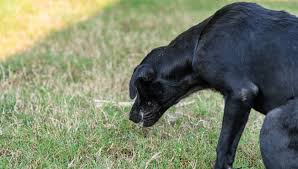
The answer depends entirely on why the dog vomited in the first place.
If the vomiting was caused by eating too fast, a mild stomach upset, or a brief digestive hiccup, allowing a dog to eat its vomit occasionally is generally not harmful. The material is still essentially just the dog’s own food.
However, if the vomiting was caused by something more serious — a toxin, a bacterial infection, a foreign object, or a medication — re-ingesting the vomit means the dog is exposing itself to the same harmful substance again.
Vomit also contains stomach acid. Repeated re-ingestion can damage tooth enamel and irritate the lining of the esophagus over time.
The general veterinary recommendation is to clean up vomit quickly every time to prevent re-ingestion, regardless of the cause.
No — this is where the risk becomes significantly higher. While eating their own vomit is usually a low-risk behavior, eating another dog’s vomit is a different matter entirely.
The other dog’s vomit may contain bacteria, viruses, parasites, or toxins that the first dog was exposed to. Eating it can transfer illness from one dog to another directly.
Veterinary experts consistently advise preventing dogs from eating other dogs’ vomit, especially in multi-pet households or in dog parks and shared spaces.
The act of eating vomit itself is rarely the main concern. The real red flag is the underlying vomiting — particularly when it becomes frequent, severe, or comes with other symptoms.
| Vomit Color | What It May Mean |
|---|---|
| Yellow or green | Bile — dog vomited on an empty stomach |
| White foam | Empty stomach, acid reflux, or kennel cough |
| Clear liquid | Water or stomach fluid, mild upset |
| Brown or chunky | Food — usually from eating too fast |
| Red streaks | Fresh blood — see vet urgently |
| Dark brown/black | Old blood — emergency vet visit needed |
| Grass-green chunks | Dog ate grass — usually harmless |
Understanding the root cause of the vomiting is more important than worrying about whether the dog eats it afterward. Here are the most common causes.
This is the single most common cause of vomiting in otherwise healthy dogs. When a dog gulps food down rapidly, large portions enter the stomach before it can adjust. The stomach sends the food right back up.
The vomit often looks nearly identical to the food that just went in — which is a major reason dogs eat it back so quickly.
Dogs eat things they should not — garbage, spoiled food, dead animals, grass, and random objects picked up on walks. The stomach reacts by expelling the offending material.
This type of vomiting is usually a one-time event and the dog feels fine afterward. No treatment is needed unless symptoms persist.
Switching dog food too quickly upsets the balance of bacteria in the digestive tract. Vomiting and diarrhea are common results.
Always transition to new food gradually over seven to ten days — mix a small amount of new food with the old, gradually shifting the ratio over time.
Some dogs have chronic sensitivities to specific ingredients — common culprits include beef, chicken, dairy, wheat, and corn. These can cause repeated vomiting, loose stools, skin itchiness, and gas.
A limited-ingredient diet or a hydrolyzed protein food prescribed by a vet can help identify and eliminate the trigger.
Some dogs vomit yellow bile early in the morning or late at night when their stomach has been empty for too long. The excess bile irritates the stomach lining and triggers vomiting.
Adding a small bedtime snack and splitting meals into smaller, more frequent portions usually resolves this.
Bacterial infections (like Salmonella or Campylobacter), viral infections (like parvovirus), and internal parasites (like roundworms or giardia) are all common causes of vomiting in dogs.
These cases are usually accompanied by diarrhea, lethargy, fever, and loss of appetite. A vet diagnosis and treatment are essential.
Pancreatitis — inflammation of the pancreas — is a serious and painful condition that causes vomiting, diarrhea, loss of appetite, and abdominal pain. It is often triggered by a high-fat meal or table scraps.
Treatment requires veterinary care and usually involves IV fluids, anti-nausea medications, and a low-fat diet going forward.
Dogs that swallow toys, clothing, bones, or other non-food objects can develop a gastrointestinal obstruction. Repeated vomiting, inability to keep food or water down, and abdominal pain are warning signs.
This is a medical emergency that often requires surgery.
Many dogs get nauseous in cars, just like humans. Motion sickness causes drooling, restlessness, and vomiting during or after travel.
Keeping the dog facing forward, reducing car trips, and asking a vet about anti-nausea medication for travel can help significantly.
The most effective strategy is speed — clean it up before your dog can get to it. Beyond that, there are several evidence-based approaches.
As soon as your dog vomits, remove them from the area and clean it up right away. Do not leave them unsupervised around their own vomit.
If you are not home when it happens, coming back to find no evidence is common. Setting up a pet camera can help you catch and monitor the behavior.
Training your dog to respond to “Leave it” is one of the most practical tools for managing this behavior. It works not just for vomit but for anything dangerous your dog tries to pick up.
Start by teaching the command with treats in a calm setting, then gradually practice with more tempting items. Consistent training with positive reinforcement yields reliable results.
If your dog is vomiting because it eats too fast, a slow feeder bowl is one of the most effective fixes available. These bowls have ridges, mazes, and raised obstacles that force the dog to eat more slowly and deliberately.
Slow feeder bowls significantly reduce gulping, reduce the amount of air swallowed, and dramatically lower the chances of vomiting after meals.
Instead of one or two large meals, split your dog’s daily food into three or four smaller portions. This reduces the volume of food in the stomach at any one time and eases the digestive load.
Smaller meals are particularly helpful for dogs prone to bilious vomiting syndrome and for large deep-chested breeds at risk for bloat.
If the behavior seems compulsive or anxiety-driven, make sure your dog is getting adequate exercise, mental stimulation, and social interaction. Puzzle feeders, training sessions, and consistent daily routines all help reduce anxiety-driven behaviors.
For severe cases, consult a certified professional dog trainer or veterinary behaviorist.
If you catch your dog about to eat vomit, redirect their attention immediately with a firm verbal cue or by tossing a favorite toy. Follow up with the “Leave it” command and reward compliance generously.
Consistency is key — every successful redirect reinforces the behavior you want to see.
If your dog vomits and seems otherwise fine, follow these steps before offering food again.
Withhold food for two to four hours to give the stomach a chance to settle. Offer small sips of water during this time — do not allow the dog to gulp large amounts.
After the fasting period, introduce a bland diet in small portions. Recommended bland foods include boiled chicken breast with white rice, lean boiled ground beef with cooked white potato, or plain canned pumpkin (not pie filling).
Feed tiny amounts every few hours rather than one full meal. Gradually reintroduce regular food over the next two to three days.
Not all dogs do this equally. Certain factors make some dogs more prone to the behavior.
Labrador Retrievers and Golden Retrievers are notorious for eating anything and everything, including their own vomit. Their food-driven nature combined with high energy makes them less discriminating about what they consume.
Beagles, Basset Hounds, and other scent-driven breeds are also more likely to re-eat vomit because their powerful sense of smell registers it as food rather than waste.
Puppies are more likely to eat vomit because they learned the behavior from their mother during weaning and have not yet been trained otherwise.
Older dogs with cognitive dysfunction or those experiencing increased appetite from medications may also show a higher tendency to eat vomit.
Dogs that experienced food insecurity before adoption are more likely to eat anything available — including vomit. This is a resource-guarding behavior that reflects their past experience.
With consistent feeding schedules and time, most rescue dogs gradually stop this behavior as they learn that food is reliably available.
| Situation | What to Do |
|---|---|
| Dog vomits once, acts normal | Monitor at home, withhold food briefly |
| Dog eats its vomit, one-time | Clean up fast, no major concern |
| Vomiting 2+ times in 24 hours | Call your vet |
| Blood in vomit | Urgent vet visit |
| Swollen abdomen + retching | Emergency — go immediately |
| Dog ate a toxin | Call vet or poison control now |
| Vomiting + diarrhea + lethargy | Vet visit same day |
| Eating other dog’s vomit | Prevent — infection risk is high |
Dogs eat their vomit because evolutionary instinct tells them it is still food — they smell the undigested contents rather than experiencing disgust. This behavior traces back to wild ancestors and maternal regurgitation for puppies.
Occasionally eating its own vomit is generally not harmful if the vomiting was caused by something minor like eating too fast. However, if the vomit contains toxins or infectious material, re-ingestion is dangerous.
Vomiting is an active, forceful process involving heaving and partially digested stomach contents. Regurgitation is passive — undigested food slides back up from the esophagus with no abdominal effort involved.
Yes, as a general rule you should always clean up vomit quickly and prevent your dog from re-eating it. The risk depends on the underlying cause, and it is safer to remove access every time.
If vomiting happens right after eating, the food looks and smells almost the same as before. The dog’s powerful sense of smell identifies it as food, and instinct drives the dog to re-consume it immediately.
It can. If the vomiting was caused by a toxin, infection, or bad food, eating it again re-exposes the dog to the same hazard. Repeated ingestion of acidic vomit can also erode tooth enamel and irritate the throat.
The same instincts that drive a dog to eat its own vomit apply to other dogs’ vomit — the smell of food triggers the scavenging instinct. However, this is more dangerous because it can spread illness between animals.
Clean up vomit immediately, train the “Leave it” command, use a slow feeder bowl to prevent vomiting from eating too fast, and address any underlying anxiety or boredom that may be driving the behavior.
See a vet if your dog vomits more than twice in 24 hours, if there is blood in the vomit, if the abdomen looks swollen, if the dog is lethargic, or if you suspect it swallowed a toxin or foreign object.
Yes. Puppies learn from their mothers that regurgitated food is acceptable to eat during the weaning process. They are also more curious and less trained, making them more likely to eat vomit than most adult dogs.
Why do dogs eat their vomit comes down to instinct, biology, and the fact that your dog’s nose tells it that vomit is food.
This behavior is largely natural, deeply wired from centuries of wild canine behavior, and in most cases harmless when it happens occasionally.
However, the real issue is never the eating of vomit — it is always why your dog is vomiting in the first place.
A one-time episode after eating too fast is nothing to panic over. Frequent vomiting, blood, lethargy, swelling, or signs of toxin ingestion are always emergencies.
The best tools at your disposal are fast cleanup, slow feeder bowls, teaching the leave-it command, and a consistent feeding schedule. And when in doubt, your veterinarian is always the right call.