
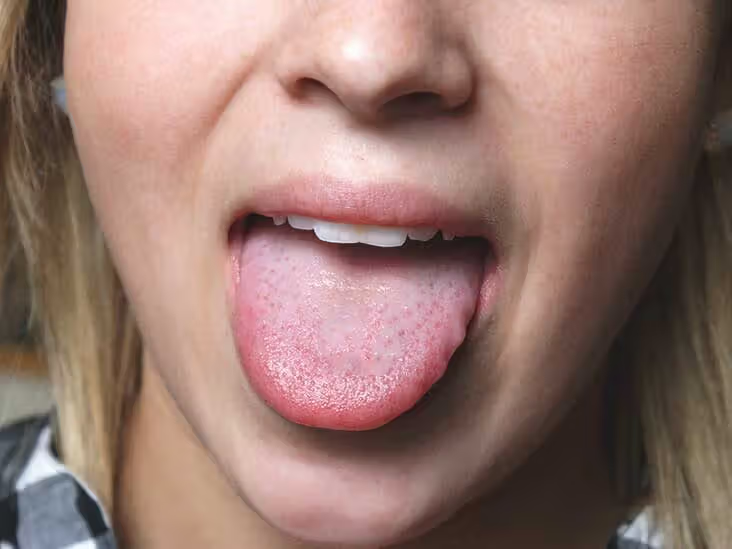
Why is my tongue swollen and sore on the sides is one of the most searched mouth-related health questions online — and for good reason.
That sharp, burning, or throbbing discomfort along the edges of your tongue can make eating, speaking, and even swallowing feel like a chore.
In most cases, the cause is something minor and treatable at home. But sometimes it signals an underlying condition that needs medical attention.
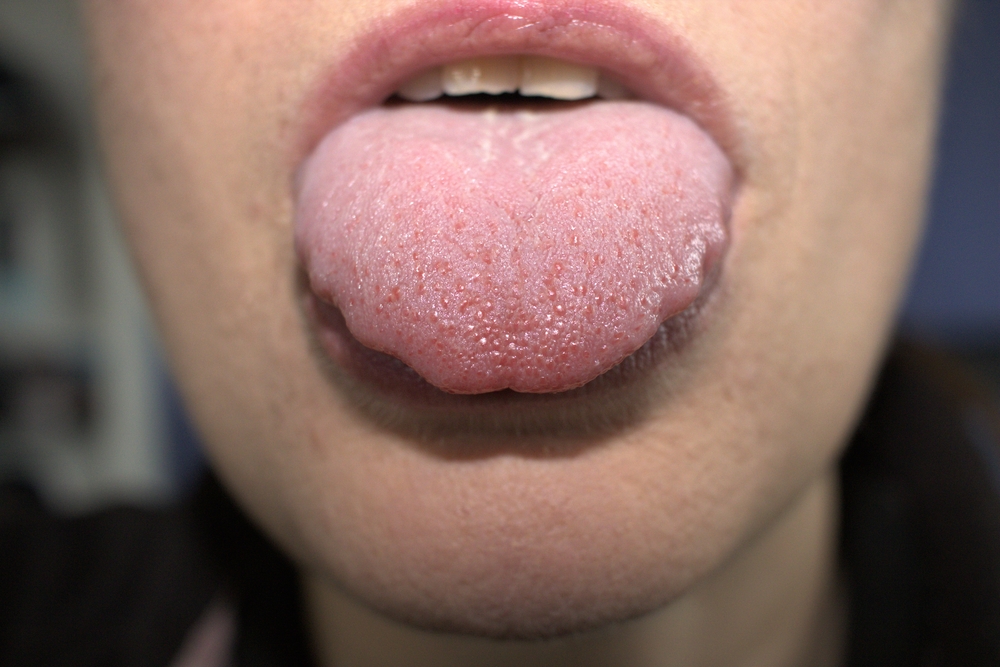
The sides of the tongue — called the lateral edges — are among the most sensitive and exposed parts of your mouth. They make constant contact with your teeth, dental appliances, and food, which makes them especially prone to irritation, injury, and inflammation.
Swelling combined with soreness usually means tissue inflammation is happening. Inflammation is your body’s response to injury, infection, or an immune trigger.
The location matters. Side swelling and soreness points to a different set of causes than tip soreness or back-of-tongue pain. Knowing where it hurts helps narrow down the cause significantly.
Canker sores are one of the most frequent reasons people experience soreness on the sides of their tongue. These small, shallow ulcers appear as round or oval lesions with a white or yellow center and a red border.
They are not contagious and are not caused by a virus. Triggers include stress, minor mouth injuries, hormonal changes, acidic foods, and vitamin deficiencies.
Canker sores on the tongue side typically last 7–10 days and heal without treatment. Severe or unusually large canker sores may take up to two weeks and can cause significant pain while eating or speaking.
Biting the side of your tongue — during eating, sleep, or talking — is one of the simplest and most common causes of swelling and soreness. The trauma causes immediate inflammation and often a visible wound or bruise on the tongue’s edge.
Even a single bite can take several days to fully heal because the tongue is constantly in motion. Repeated accidental biting in the same spot can create a persistent sore that feels worse than it looks.
Hot food or liquids can also scald the tongue’s lateral edges, causing a burning sore that swells and stays tender for a few days.
Braces, retainers, dentures, chipped teeth, rough fillings, and jagged crowns are a very common but often overlooked cause of side tongue soreness. These appliances or sharp edges rub against the tongue continuously, creating friction-based injuries.
The irritation is usually mild at first but worsens over time as the tissue becomes raw and inflamed. If you recently had dental work done or started wearing a new appliance, this is likely the culprit.
A dentist can smooth out the sharp edge or adjust the appliance to stop the ongoing irritation.
Allergies are among the most well-known causes of a swollen tongue, particularly when the swelling affects the sides. When your immune system detects an allergen — whether it’s a food, medication, or environmental trigger — it releases histamine.
Histamine triggers rapid swelling, often accompanied by itching, tingling, and redness. Food allergies, particularly to nuts, shellfish, certain fruits, and latex, can cause tongue swelling that develops within minutes of exposure.
This type of swelling can escalate quickly. If the tongue swells significantly and is accompanied by throat tightening or difficulty breathing, this is a medical emergency requiring immediate attention.
Oral thrush is a fungal infection caused by an overgrowth of Candida albicans — a yeast that naturally lives in the mouth. When it grows unchecked, it causes white patches, redness, and soreness on the tongue and inner cheeks.
The sides of the tongue are commonly affected, and the area can feel raw and tender, especially when touched by food or drink. People who use inhaled steroids, take antibiotics, have diabetes, or have weakened immune systems are most at risk.
Treatment requires antifungal medication, typically prescribed as a mouth rinse or lozenge. Untreated thrush can spread to the throat and cause difficulty swallowing.
Geographic tongue is a harmless condition where smooth, red patches with white or gray borders appear on the tongue’s surface, creating a map-like appearance. These patches can appear on the sides and top of the tongue and shift location over time.
The patches form because papillae — the tiny hair-like projections that cover the tongue — disappear in those areas. The result is a smooth, sensitive, reddish zone that can feel sore, especially when exposed to spicy, acidic, or salty foods.
Geographic tongue is linked to vitamin B6, B12, zinc, folate, and iron deficiencies. It is also associated with psoriasis, stress, and hormonal changes. It is not cancerous and cannot spread to others.
A deficiency in certain nutrients is a surprisingly common cause of a swollen, sore tongue — particularly one that feels smooth or glossy. The tongue is one of the first places where nutritional deficiencies show up physically.
| Deficiency | Tongue Symptom |
|---|---|
| Vitamin B12 | Smooth, sore, swollen tongue; burning sensation |
| Iron (Anemia) | Pale, smooth tongue; soreness along sides |
| Folic Acid (B9) | Ulcers, swelling, redness |
| Zinc | Burning sensation, taste disturbances, soreness |
| Vitamin B6 | Geographic tongue, inflammation, cracking |
| Vitamin D | Increased inflammation, slower healing |
If your tongue soreness is accompanied by fatigue, pale skin, hair loss, or brain fog, a nutritional deficiency may be the root cause. A blood test can confirm this quickly.
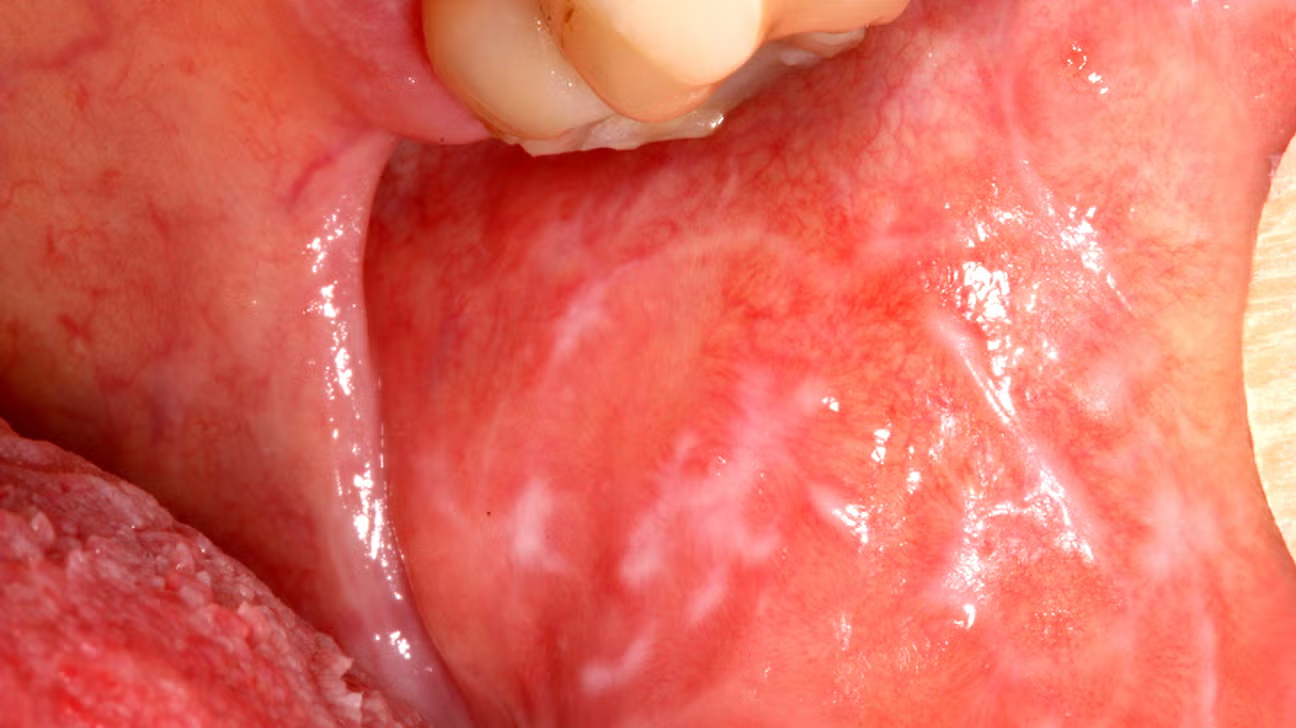
Oral lichen planus is a chronic autoimmune condition that affects the mucous membranes inside the mouth. It most commonly appears on the inner cheeks and the sides of the tongue as lacy white patches, redness, or painful ulcers.
The exact cause is not fully understood, but it is linked to genetics, immune dysfunction, viral infections like hepatitis C, and certain medications. It is not contagious.
Lichen planus can fluctuate — it may flare during periods of stress and improve on its own. Steroid medications and other prescription treatments are used to manage symptoms when they are severe.

Burning mouth syndrome (BMS) produces a persistent burning, tingling, or scalding sensation on the tongue, lips, and inner cheeks — without any visible cause. The sides of the tongue are often affected.
The pain tends to be worse later in the day and may improve with eating or drinking. BMS is more common in postmenopausal women and is linked to hormonal changes, nerve dysfunction, nutritional deficiencies, and anxiety.
Because there are no visible sores or swelling, BMS is often misdiagnosed or dismissed. A proper evaluation by a dentist or oral medicine specialist is needed.
Several viral infections can cause sores and swelling on the sides of the tongue. Herpes simplex virus (HSV-1) causes cold sores that can appear on the tongue and mouth, presenting as clusters of small, painful blisters.
Hand, foot, and mouth disease — common in children but possible in adults — causes painful sores throughout the mouth, including the tongue’s sides. The Epstein-Barr virus and other viral infections can also trigger tongue inflammation.
Viral sores are contagious. Cold sores caused by HSV-1 can be managed with antiviral medications that reduce healing time and outbreak frequency.
Hypothyroidism — an underactive thyroid gland — can cause the tongue to swell noticeably, particularly on the sides and edges. The swollen tongue may show scalloping (wavy indentations from teeth pressure along the edges) as the enlarged tongue presses against the teeth.
Sjögren’s syndrome, another autoimmune condition, reduces saliva production, causing a dry mouth that makes the tongue sore and more vulnerable to injury and infection. The sides of the tongue often feel raw and uncomfortable.
If your tongue swelling is ongoing and accompanied by fatigue, weight changes, dry eyes, or dry mouth, thyroid or autoimmune testing may be warranted.
A scalloped tongue — also called a crenated tongue — shows wavy ridges or indentations along the lateral edges. This happens when the tongue swells and presses against the teeth over time.
Causes include hypothyroidism, sleep apnea, dehydration, nutritional deficiencies, and parafunctional habits like pressing the tongue against the teeth during sleep or stress.
Scalloping itself is not painful in most cases, but the underlying swelling can make the sides feel tender and sore, especially in the morning.
Understanding what you are seeing can help you match it to a likely cause before your doctor’s visit.
| Appearance | Most Likely Cause |
|---|---|
| White or yellow ulcer with red border | Canker sore |
| White patches, cottage cheese texture | Oral thrush |
| Reddish smooth patches with white borders | Geographic tongue |
| Lacy white lines or red ulcers on sides | Oral lichen planus |
| Blistering, clustered sores | Herpes simplex / cold sores |
| Wavy indentations along the edges | Scalloped tongue (thyroid/sleep apnea) |
| Rapid swelling, itching, tingling | Allergic reaction |
| Persistent firm lump or non-healing sore | See a doctor immediately |
Most minor causes of tongue soreness heal within a specific window. Knowing the typical timeline helps you decide when something needs professional attention.
Minor canker sores and biting injuries heal within 7–10 days. Geographic tongue patches may come and go over weeks to months. Viral cold sores typically clear within 7–14 days. Fungal infections usually improve within 1–2 weeks with antifungal treatment.
Any sore, lump, or swelling on the side of the tongue that does not improve within two weeks should be evaluated by a dentist or doctor. A sore lasting more than two weeks is one of the primary warning signs that requires professional assessment.
Most tongue soreness is not cancer. But it is important to know the warning signs so you can act quickly if something serious is happening.
Tongue cancer most often develops on the sides of the tongue — specifically the front two-thirds, where it contacts the teeth. The most common type is squamous cell carcinoma.
Warning signs that warrant an urgent dental or medical evaluation include the following.
A sore or ulcer on the side of the tongue that does not heal after two weeks. A lump or thickened area that feels firmer than the surrounding tissue. A sore that bleeds easily without much irritation. White or red patches (leukoplakia or erythroplakia) that do not go away. Persistent pain or numbness on one side of the tongue or jaw. Difficulty chewing, swallowing, or moving the tongue. Unexplained weight loss or a lump in the neck.
Risk factors for tongue cancer include smoking, heavy alcohol use, HPV infection, and a history of oral cancer. However, tongue cancer can also develop in people with none of these risk factors. Regular dental check-ups include an oral cancer screening that can catch early changes.
For most mild causes, there are effective home treatments that can reduce pain and speed healing.
Dissolve half a teaspoon of salt in a glass of warm water. Rinse gently for 30 seconds and spit. Saltwater has mild antibacterial properties and helps reduce inflammation. Do this 2–3 times a day, especially after meals.
Sipping cold water or holding a small ice chip on the sore area can numb the pain temporarily. Cold reduces swelling and provides fast relief from burning or throbbing sensations.
Avoid extremely cold temperatures directly on the tongue, as this can cause additional sensitivity.
Benzocaine-based gels (like Orajel) applied directly to the sore area can numb it temporarily. These are available at pharmacies without a prescription and are safe for short-term use.
Aloe vera gel — food grade — applied to the sore can also soothe inflamed tissue and promote healing.
While your tongue is healing, stay away from anything that will irritate the tissue further. Specific foods to avoid include the following.
Spicy foods (chili, hot sauce, pepper). Acidic foods and drinks (citrus fruits, tomatoes, vinegar, carbonated drinks). Salty snacks. Hot beverages and soups. Crunchy, sharp-edged foods like chips or crackers.
Soft, cool foods like yogurt, smoothies, mashed potatoes, and oatmeal are gentle on an irritated tongue.
Switch to a mild, unflavored, or sensitive-formula toothpaste while your tongue is sore. Some toothpastes with strong flavoring, whitening agents, or sodium lauryl sulfate can irritate tongue sores and delay healing.
Use a soft-bristled toothbrush and avoid brushing directly over sores. Gentle oral hygiene helps prevent secondary infection without prolonging the soreness.
Dehydration makes saliva thicker and less effective at protecting tongue tissue. Drink enough water throughout the day to keep the mouth moist and promote healing.
Dry mouth conditions — from dehydration or from medications — make the tongue more vulnerable to irritation and slow the healing of existing sores.
If swelling on the sides of the tongue is caused by a mild allergic reaction to food, an over-the-counter antihistamine can help reduce the response. Cetirizine or loratadine are common options.
For severe allergic swelling, do not wait for an antihistamine to work — seek emergency care immediately, as this can progress to anaphylaxis.
When home remedies are not enough, treatment depends on the underlying cause.
| Cause | Medical Treatment |
|---|---|
| Canker sores | Topical corticosteroids, prescription mouth rinse |
| Oral thrush | Antifungal medication (nystatin, fluconazole) |
| Oral lichen planus | Corticosteroid rinse or cream, immunosuppressants |
| Geographic tongue | NSAIDs, topical anesthetics, antihistamine mouthwash |
| Allergic reaction | Antihistamines, corticosteroids, epinephrine (severe) |
| Vitamin deficiency | Targeted supplementation (B12, iron, zinc, folate) |
| Herpes / cold sores | Antiviral medication (acyclovir, valacyclovir) |
| Hypothyroidism | Thyroid hormone replacement therapy |
| Dental appliance irritation | Appliance adjustment or replacement by dentist |
Most tongue soreness resolves on its own. But certain signs should prompt you to make an appointment without delay.
See a dentist or doctor if the soreness or swelling has lasted more than two weeks without improvement. Go immediately if the swelling comes on suddenly and rapidly, especially with throat tightening or breathing difficulty.
Also seek care if you notice a lump, thickened area, or firm patch on the side of the tongue. Unexplained bleeding from the tongue, persistent numbness, or difficulty swallowing are also red flags.
If you have white or red patches that do not go away, a painful sore that grows larger over time, or if you have risk factors for oral cancer, do not wait — schedule an evaluation promptly.
Prevention is much more comfortable than treatment. Several habits reduce your risk of recurring tongue soreness.
Eat a balanced diet. Get enough B vitamins, iron, zinc, and folate through food or supplementation. Deficiencies are a primary and preventable cause of chronic tongue soreness.
Manage dental appliances. If braces, dentures, or retainers are rubbing your tongue, tell your dentist. A small adjustment can eliminate days of discomfort.
Reduce stress. Stress is a major trigger for canker sores and lichen planus flare-ups. Regular sleep, exercise, and stress-management techniques all help.
Avoid identified food triggers. If you know certain foods cause a reaction on your tongue, eliminate them from your diet. Keep a food diary to identify patterns.
See your dentist regularly. Routine dental check-ups include an oral cancer screening. Regular visits also allow your dentist to catch sharp tooth edges, ill-fitting appliances, or early lesions before they become problems.
Quit smoking. Tobacco use damages oral tissue and significantly increases the risk of oral cancer and chronic mouth sores.
Geographic tongue is actually more common in younger people. Canker sores and biting injuries are also very common in children. Braces are a significant source of tongue irritation in teenagers.
Hormonal changes during pregnancy can trigger geographic tongue and canker sores. Nutritional demands during pregnancy can deplete B12, iron, and folate — increasing tongue soreness risk.
Older adults are more likely to take multiple medications, some of which cause dry mouth or are directly linked to tongue soreness. They are also at higher risk for oral lichen planus and oral cancer.
Those living with conditions like Sjögren’s syndrome, lupus, Crohn’s disease, or celiac disease have a higher frequency of mouth sores and tongue inflammation as part of their broader disease picture.
The tongue is often called a mirror of overall health, and for good reason. Changes in its appearance or feel can reflect what is happening systemically in the body.
A pale, smooth tongue often points to iron deficiency anemia. A bright red, beefy tongue can indicate B12 or niacin deficiency (the latter causing pellagra). A swollen tongue with scalloped edges may reflect thyroid dysfunction. Geographic patches have connections to psoriasis and inflammatory conditions. A persistently dry tongue suggests autoimmune gland conditions like Sjögren’s.
Paying attention to your tongue — its color, texture, and feel — can provide early clues to conditions that might not have other obvious symptoms yet.
This can happen with geographic tongue, burning mouth syndrome, or thyroid-related swelling. The sides press against teeth, causing discomfort without a visible wound. A dentist visit can help identify the cause.
Yes. Stress weakens the immune system and is a well-documented trigger for canker sores, geographic tongue flare-ups, and lichen planus. Managing stress often reduces the frequency and severity of outbreaks.
Allergic tongue swelling usually comes on quickly after eating something and is accompanied by itching, tingling, or burning. If swelling spreads to the throat or you have trouble breathing, treat it as an emergency immediately.
Not immediately. Most side tongue soreness is caused by minor issues. However, if a sore does not heal within two weeks, grows, bleeds easily, or is accompanied by a lump, see a doctor or dentist without delay.
Deficiencies in B12, iron, folic acid, zinc, and B6 are all linked to tongue soreness and swelling. A blood test can identify which nutrient you are low in so you can supplement accordingly.
Most minor sores from biting or canker sores heal within 7–10 days. Geographic tongue patches may last weeks. Any sore lasting more than two weeks should be evaluated professionally.
Yes. Braces, retainers, dentures, sharp fillings, and chipped teeth create ongoing friction against the tongue’s lateral edges. The repeated irritation causes raw, swollen, and sore tissue that does not fully heal until the source of irritation is corrected.
A warm saltwater rinse, ice or cold water, and a benzocaine gel applied directly to the sore area are the fastest-acting home remedies. Avoiding spicy and acidic foods speeds up healing significantly.
Scalloping itself is not dangerous, but it signals that the tongue is swollen and pressing against the teeth. The underlying cause — often hypothyroidism, sleep apnea, or B12 deficiency — should be identified and treated.
Go to the emergency room immediately if your tongue swells rapidly, makes it hard to breathe or swallow, or if the swelling follows exposure to a known allergen. This may indicate anaphylaxis, which is life-threatening without prompt treatment.
Why is my tongue swollen and sore on the sides is a question with many possible answers — most of them manageable and treatable.
The most common culprits are canker sores, accidental biting, dental appliance friction, allergic reactions, nutritional deficiencies, geographic tongue, and oral infections like thrush.
Each of these has clear symptoms, a predictable healing timeline, and either home remedies or straightforward medical treatments that bring real relief.
The key is knowing the difference between what you can manage at home and what needs professional evaluation.
Any sore that lasts longer than two weeks, grows, bleeds unexpectedly, or appears as a firm lump deserves a dental or medical check without delay.
Treat your tongue well — maintain good oral hygiene, eat a nutrient-rich diet, stay hydrated, manage stress, and see your dentist regularly.
Your tongue reflects your overall health more than most people realize, and catching changes early makes all the difference.