
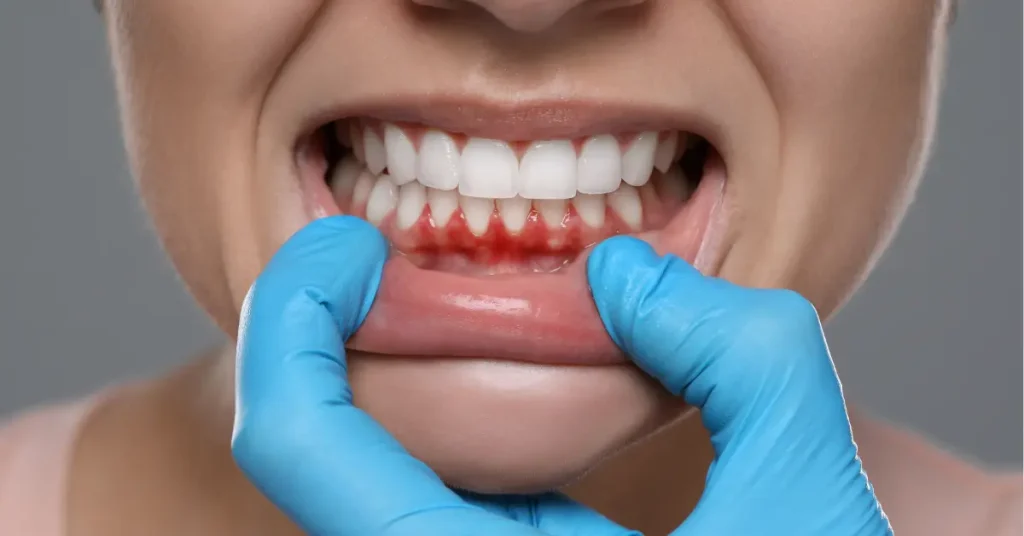
Why does my gum hurt in one spot? This is one of the most common dental questions people ask, and the answer is almost never simple.
Pain in a single area of your gum usually points to a very specific cause — from trapped food to a serious infection hiding below the gumline.
Unlike general gum soreness that spreads across your mouth, localized gum pain has a clear origin that can almost always be identified and treated.
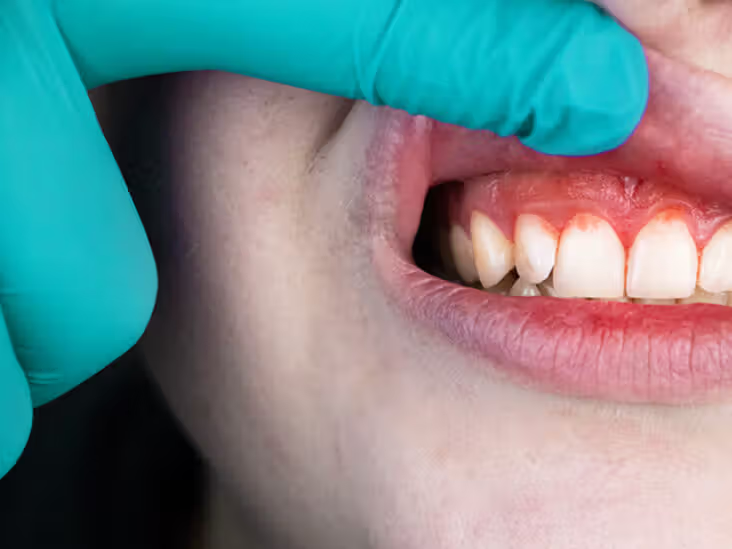
Localized gum pain means pain that stays in one specific spot rather than spreading across your entire gumline.
It feels different from generalized sensitivity. You can usually point to exactly where it hurts, and pressing on that spot often makes it worse.
This type of pain can be dull and constant, sharp and sudden, or triggered only when eating or touching the area. Identifying how it feels helps narrow down the cause.
General gum soreness often comes from aggressive brushing, hormonal changes, or early gingivitis affecting the whole mouth.
Localized pain, on the other hand, is almost always tied to one specific problem at that exact location — a trapped food particle, an abscess, a canker sore, or a partially erupted tooth.
This distinction matters because the treatment is completely different.
Gum pain is one of the leading reasons people visit a dentist outside of routine checkups. Here is a quick look at how widespread the related conditions are.
| Condition | How Common |
|---|---|
| Gingivitis (early gum disease) | Affects nearly 50% of adults over 30 |
| Periodontal disease | Affects 42% of adults over 30 in the US |
| Dental abscesses | One of the top causes of emergency dental visits |
| Wisdom tooth issues (pericoronitis) | Most common in ages 15–26 |
| Canker sores | Affect around 20% of the general population |
| Food impaction | Extremely common; often goes unnoticed until painful |
Most cases are treatable. The key is identifying the cause early before it develops into something more serious.
This is one of the most frequent causes of sudden, localized gum pain. A piece of food — popcorn hull, seed, chip fragment — can lodge between the tooth and gum and create pressure directly against the gum tissue.
As the food sits there, bacteria begin to grow around it. What starts as mild pressure can turn into visible swelling and real pain within hours or days.
A gum abscess is a pocket of pus that forms when bacteria cause a localized infection beneath the gumline. It creates severe pain in one spot, often with swelling, a visible bump, and sometimes a foul or salty taste in the mouth.
The infection can come from trapped food, untreated decay, or bacteria entering through damaged gum tissue. A gum abscess always needs professional dental treatment — home remedies can reduce pain temporarily but cannot cure the infection.
Gingivitis typically affects the whole mouth, but it can also appear in one concentrated spot. When plaque builds up in a specific area due to poor brushing technique or a hard-to-reach spot, inflammation develops right there.
The gum becomes red, swollen, and bleeds when you brush. Improving oral hygiene at that exact spot can reverse early-stage gingivitis, but it requires consistency.
Periodontitis is what happens when gingivitis is left untreated. The infection moves deeper and begins destroying the bone and connective tissue supporting the tooth.
Pain in one spot that comes and goes, with visible gum recession, loose teeth, or pockets forming around the tooth, are all signs of periodontitis. This stage requires professional treatment — it cannot be reversed at home.
Canker sores are small, shallow ulcers that can form directly on the gum tissue. They cause sharp, burning pain at one precise spot, especially when eating acidic or spicy food.
They are not contagious and usually heal on their own within one to two weeks. However, a canker sore that lasts longer than two weeks should be evaluated by a dentist or doctor.
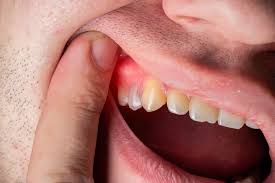
When a wisdom tooth is partially erupted, the gum flap over it can trap bacteria and food debris. This triggers a condition called pericoronitis — inflammation and infection of the gum tissue surrounding a partially emerged tooth.
Pericoronitis causes intense pain specifically in the back corner of the mouth, with swelling, bad taste, and sometimes difficulty opening the jaw. It most commonly affects people aged 15 to 26 during the active wisdom tooth eruption period.
Brushing too hard with a stiff-bristled toothbrush can scrape and bruise gum tissue at a very specific point. A crunchy chip, bone fragment, or hard piece of food can also cut or scratch the gum surface.
This type of pain usually resolves within a few days with gentle care. Switching to a soft-bristled toothbrush and brushing with lighter pressure prevents recurrence.
When gum tissue pulls back from a tooth, the root becomes exposed. Exposed roots are highly sensitive and can create localized pain, especially to temperature changes, sweet foods, or touch.
Recession can result from aggressive brushing, genetics, or advancing gum disease. A dentist can recommend sensitivity toothpaste, bonding, or in severe cases, a gum graft to cover the exposed root.
A crown, filling, or bridge with a rough edge or improper fit can constantly rub against adjacent gum tissue. This creates a persistent sore spot that does not go away on its own.
If gum pain started or worsened after a recent dental procedure, the restoration is a likely suspect. Your dentist can adjust or replace it to eliminate the irritation.
A tooth abscess starts at the root of the tooth but its pain often radiates into the surrounding gum tissue. This can make it feel like a gum problem when the true source is actually inside the tooth.
Signs include severe throbbing pain, sensitivity to heat, a pimple-like bump on the gum, and sometimes fever. A tooth abscess is a dental emergency that requires prompt treatment — root canal or extraction.
A cracked tooth can send pain signals to the nearby gum tissue. This is called referred pain — the source is the tooth or nerve, but the sensation appears in the gum.
This is particularly tricky to diagnose without a dental examination because the crack may not be visible. Persistent pain that seems to move or cannot be pinpointed exactly almost always needs professional assessment.
Hormonal fluctuations during menstruation, pregnancy, and menopause can make gum tissue more sensitive and reactive to bacteria. During these periods, a spot that previously showed no irritation can become painful.
Pregnancy gingivitis is well documented and can cause intense localized soreness, especially in the second trimester. Good oral hygiene and regular dental visits during pregnancy help manage this effectively.
| Symptom | Likely Cause |
|---|---|
| Pain only when chewing | Food impaction, cracked tooth, ill-fitting restoration |
| Dull constant ache with swelling | Gum abscess or periodontitis |
| Sharp burning pain, small white ulcer | Canker sore |
| Pain in back corner of mouth | Wisdom tooth issue (pericoronitis) |
| Pain after brushing | Gum injury, recession, or over-brushing |
| Pain with fever or swollen jaw | Tooth abscess — see dentist immediately |
| Pain that moves or is hard to locate | Referred pain from cracked tooth or nerve |
| Pain during pregnancy or period | Hormonal gum sensitivity |
This is the most widely recommended first step for localized gum pain. Mix one teaspoon of salt in a glass of warm water and rinse gently for 30 seconds, two to three times a day.
Salt has natural antibacterial properties that reduce inflammation and slow bacterial growth. It will not cure an infection, but it relieves discomfort and keeps the area cleaner while you seek dental care.
Clove oil contains eugenol, a natural compound with genuine anesthetic and antibacterial properties. Dentists have used it for centuries, and research supports its effectiveness for temporary pain relief.
Apply a small amount to a cotton ball and hold it gently against the painful spot for a minute or two. Avoid swallowing it and do not apply it directly to open tissue.
If the outside of your cheek is swollen, apply a cold compress or ice pack wrapped in cloth to the area for 15 minutes at a time. Cold reduces inflammation and numbs the surface to ease discomfort.
Never apply ice directly to your skin or inside your mouth, as this can cause tissue damage.
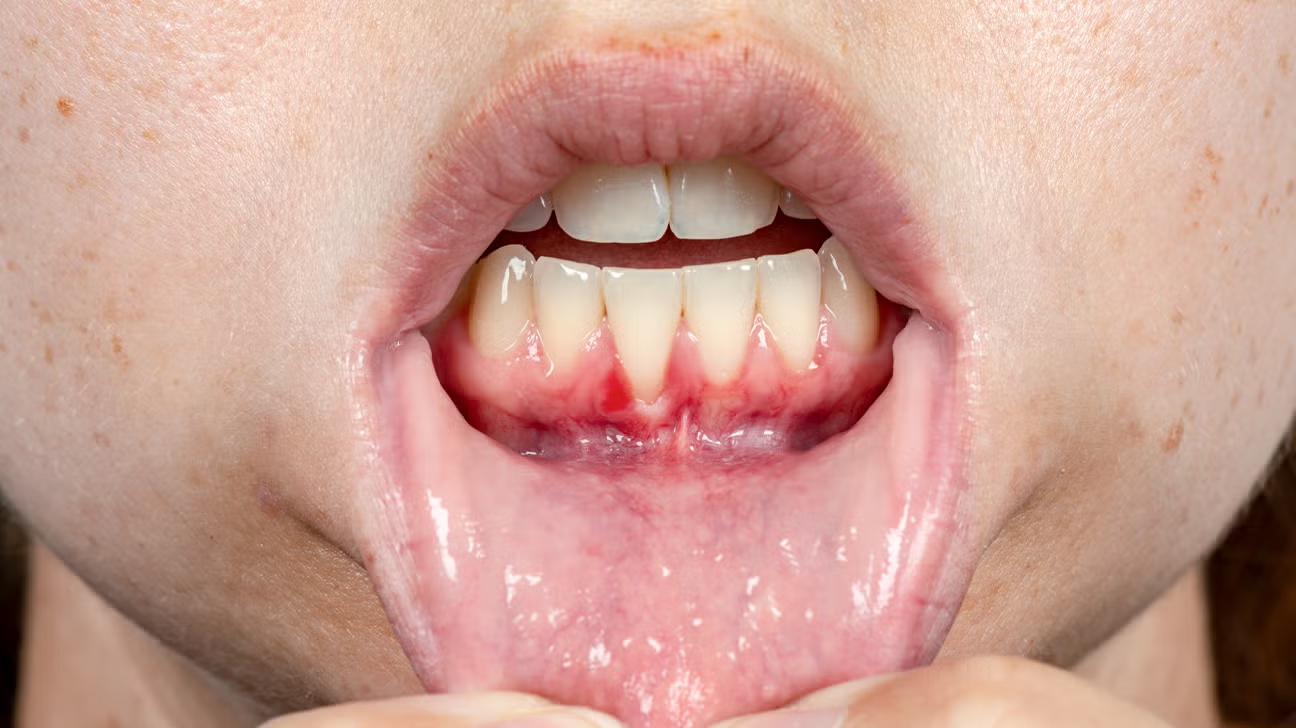
Ibuprofen (an anti-inflammatory) works better than paracetamol for gum pain because it reduces the underlying inflammation driving the pain, not just the pain signal itself.
Always follow dosage instructions. OTC pain relief is a bridge, not a cure — it manages symptoms while you arrange dental care.
If you suspect food is lodged at the painful spot, careful flossing can remove it and provide almost immediate relief. Use a slow, gentle gliding motion rather than snapping the floss down forcefully.
Water flossers are another effective option for flushing debris from hard-to-reach areas near the gumline.
A diluted hydrogen peroxide rinse — one part 3% hydrogen peroxide to one part water — can reduce bacteria in the painful area. Swish for 30 seconds and spit; do not swallow.
This is suitable for minor irritation and early infection signs. It is not appropriate if you have open sores or the pain is severe.
This is one of the most dangerous things you can do. Attempting to puncture or squeeze a gum abscess can push the infection deeper into the surrounding tissue or allow it to spread.
The bacterial infection inside needs professional drainage and possibly antibiotics. Only a dentist should handle abscess treatment.
Pain that persists beyond seven days almost always signals something that will not heal on its own. Waiting longer allows infections to deepen and creates harder-to-treat complications.
Even if the pain comes and goes, recurring localized pain in the same spot is a reliable sign that dental evaluation is needed.
It feels natural to scrub harder when something feels wrong. With gum pain, this makes things worse. Aggressive brushing further damages the irritated tissue and delays healing.
Use a soft-bristled toothbrush and extremely light pressure directly over the sore area until it heals.
Some situations go beyond home remedies and need same-day or next-day dental care.
| Warning Sign | Action Required |
|---|---|
| Visible swelling in the gum or face | See dentist today |
| Pus or foul taste in the mouth | Same-day dental appointment |
| Fever combined with gum pain | Dental emergency |
| Difficulty swallowing or opening mouth | Emergency room immediately |
| Pain spreading to the jaw, ear, or neck | Emergency room immediately |
| Pain uncontrolled by OTC medication | See dentist today |
| Visible bump or blister on the gum | Dentist appointment within 48 hours |
A spreading dental infection can become life-threatening if it reaches the airway or bloodstream. Never delay when the warning signs above are present.
For cases caused by plaque and tartar buildup, a professional cleaning removes deposits that home brushing cannot reach. This directly addresses the bacterial source causing localized inflammation.
Deep cleaning (scaling and root planing) goes below the gumline to clean the root surface and remove infected tissue in more advanced cases.
Antibiotics are prescribed when infection has spread beyond the immediate gum area. They control bacterial growth and prevent the infection from reaching other parts of the body.
Antibiotics alone do not treat an abscess — they are used alongside drainage or other procedures, not as a standalone solution.
A dentist will make a small incision to drain the pus from a gum abscess safely. This immediately relieves pressure and pain. The area is then cleaned, and follow-up treatment addresses the underlying cause.
When the abscess originates from inside the tooth, a root canal removes the infected pulp tissue, cleans the canal, and seals it to prevent reinfection. This saves the tooth and eliminates the source of gum pain.
For pericoronitis that keeps recurring, removing the wisdom tooth is the most reliable long-term solution. Even with perfect oral hygiene, the gum flap will continue to trap bacteria until the tooth is removed.
When gum recession has exposed a root and caused persistent sensitivity, a gum graft takes tissue from another part of the mouth and places it over the exposed root. This restores the gumline and dramatically reduces pain.
Prevention is significantly easier than treatment. These habits directly reduce the risk of developing localized gum pain.
Brush twice daily with a soft-bristled toothbrush using gentle, circular motions. Floss once a day to remove food and plaque from between teeth and at the gumline. Use a fluoride toothpaste and, if recommended, an antibacterial mouthwash.
Professional cleanings every six months remove tartar before it triggers gum disease. Your dentist can also spot early signs of recession, decay, or infection before they become painful problems.
Skipping routine visits is one of the biggest risk factors for localized gum issues turning into serious dental problems.
A diet high in sugar feeds the bacteria responsible for plaque, decay, and gum infection. Reducing sugar and increasing water intake keeps the oral environment healthier.
Smoking significantly increases the risk of gum disease and slows healing. Quitting smoking is one of the most impactful steps a person can take for long-term gum health.
Pain in the back gum area is most often related to wisdom teeth — either eruption, impaction, or pericoronitis. This is particularly common in people aged 16 to 26.
If you have not had your wisdom teeth removed and feel pain specifically in the back corners of your mouth, an X-ray will confirm whether they are the cause.
Pain concentrated around a single tooth usually points to that tooth’s roots or the gum pocket directly surrounding it. This is a strong indicator of periodontitis, a localized abscess, or a cracked tooth.
A dentist will probe the gum pocket depth and take an X-ray to assess what is happening below the surface.
Pain along the lower gum in one area can result from food impaction, a canker sore, or localized gingivitis. Lower gums also experience more trauma from aggressive brushing as they are closer to where the brush contacts.
Carefully inspect the area with clean hands. A visible white or yellow ulcer indicates a canker sore. A swollen bump may indicate an abscess.
Pain without a visible sore often comes from trapped food debris, a subsurface abscess, or a cracked tooth. A dental X-ray is usually needed to identify what is happening below the gumline.
Yes. Stress lowers immune function, making gums more vulnerable to infection and slowing healing. It also increases the likelihood of canker sores, which cause localized gum pain.
If pain lasts more than seven days, comes with swelling, bleeding, or a bad taste, see a dentist within 48 hours. Severe pain with fever or facial swelling needs same-day emergency care.
Yes, canker sores on gum tissue cause sharp, burning pain that feels intense relative to their small size. They typically heal within one to two weeks without treatment.
No. Common non-infectious causes include food impaction, brushing injury, hormonal changes, and irritation from a dental restoration. However, persistent pain always warrants dental evaluation.
Localized tenderness to pressure usually signals inflammation or infection in that tissue. A gum abscess, localized periodontitis, or food trapped under the gum are the most frequent causes.
Yes. An ill-fitting or rough-edged restoration can constantly irritate the adjacent gum. If pain started after dental work, tell your dentist so they can check the fit and adjust it.
Yes. Impacted wisdom teeth still create pressure and can harbor bacteria beneath the gum surface, causing pain even before they break through. An X-ray will confirm their position.
Yes, saltwater reduces bacterial load and decreases inflammation, providing real short-term relief. It will not cure an infection, but it is a safe and effective daily support measure.
It becomes an emergency when you have fever, facial swelling, difficulty swallowing or breathing, pus discharge, or pain spreading to the jaw, ear, or neck. These signs require immediate care.
Why does my gum hurt in one spot? As this guide shows, the causes range from something as simple as a trapped popcorn kernel to something as serious as a spreading gum abscess.
In 2026, dental professionals continue to see localized gum pain as one of the most frequent and varied complaints in clinical practice.
What every case has in common is this: early identification leads to faster, easier, and less expensive treatment.
Home remedies like saltwater rinses, clove oil, and gentle flossing can help manage mild pain, but they are not substitutes for professional care when the situation calls for it.
If your gum pain in one spot has lasted more than a week, comes with swelling, or is getting worse — make that dental appointment today. Your gums are telling you something worth listening to.