
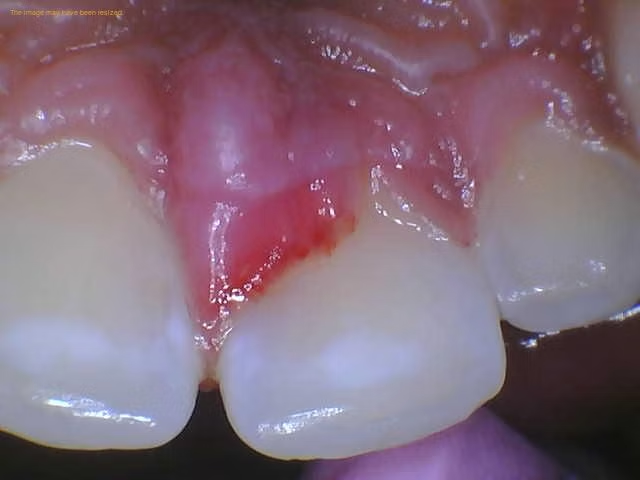
If the roof of your mouth hurts when you swallow, you are dealing with one of the most common yet frustrating symptoms people experience when sick.
The palate — both the hard front portion and the soft back portion — reacts quickly to infections, inflammation, and irritation.
Pain in this area during illness can range from mild tenderness to sharp, stabbing discomfort with every swallow.
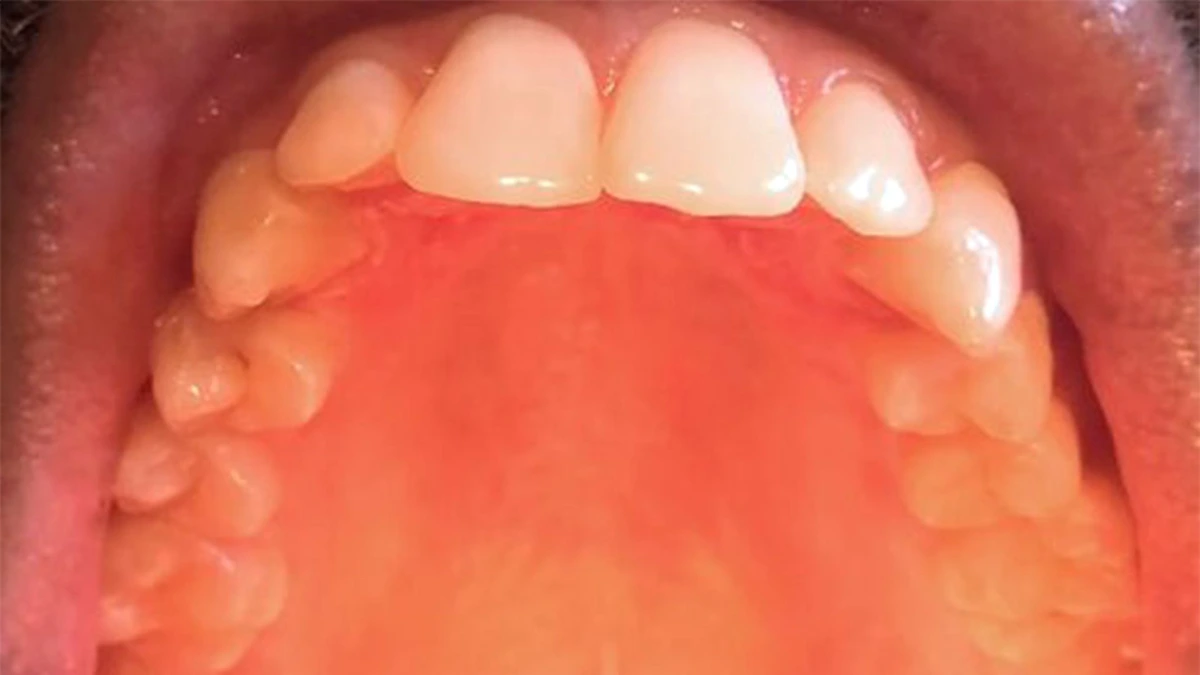
The roof of your mouth is called the palate. It has two distinct parts that serve different roles.
The hard palate is the firm, bony front section. It separates your mouth from your nasal cavity and helps you chew, speak, and swallow.
The soft palate is the fleshy tissue at the back. It moves when you swallow and speak, which is exactly why soft palate inflammation causes such noticeable pain every time you take a sip or bite.
| Part | Location | Role | Why It Hurts When Sick |
|---|---|---|---|
| Hard Palate | Front of roof | Structural support, separates nasal cavity | Sinus pressure, burns, canker sores |
| Soft Palate | Back of roof | Closes nasal passage during swallowing | Strep, tonsillitis, viral infections |
The short answer is that the soft palate moves with every single swallow. When it is inflamed, that movement aggravates irritated tissue and triggers pain.
When you are sick, your immune system sends blood flow to infected areas, causing swelling. That swelling makes the palate extra sensitive. Even normal swallowing becomes uncomfortable because the tissue has no chance to rest.
The specific cause determines where the pain sits, how sharp it feels, and what other symptoms come with it.
Strep throat is one of the most direct reasons the roof of your mouth hurts when swallowing. It is a bacterial infection caused by Streptococcus pyogenes.
Because the soft palate sits right next to the tonsils, strep inflammation spreads easily into that tissue. You may notice tiny red spots called petechiae on the roof of your mouth — these are a classic strep sign.
Symptoms alongside palate pain include a sudden severe sore throat, fever over 101°F, swollen red tonsils, and white patches at the back of your throat. A doctor can confirm strep with a rapid throat swab and prescribe antibiotics.
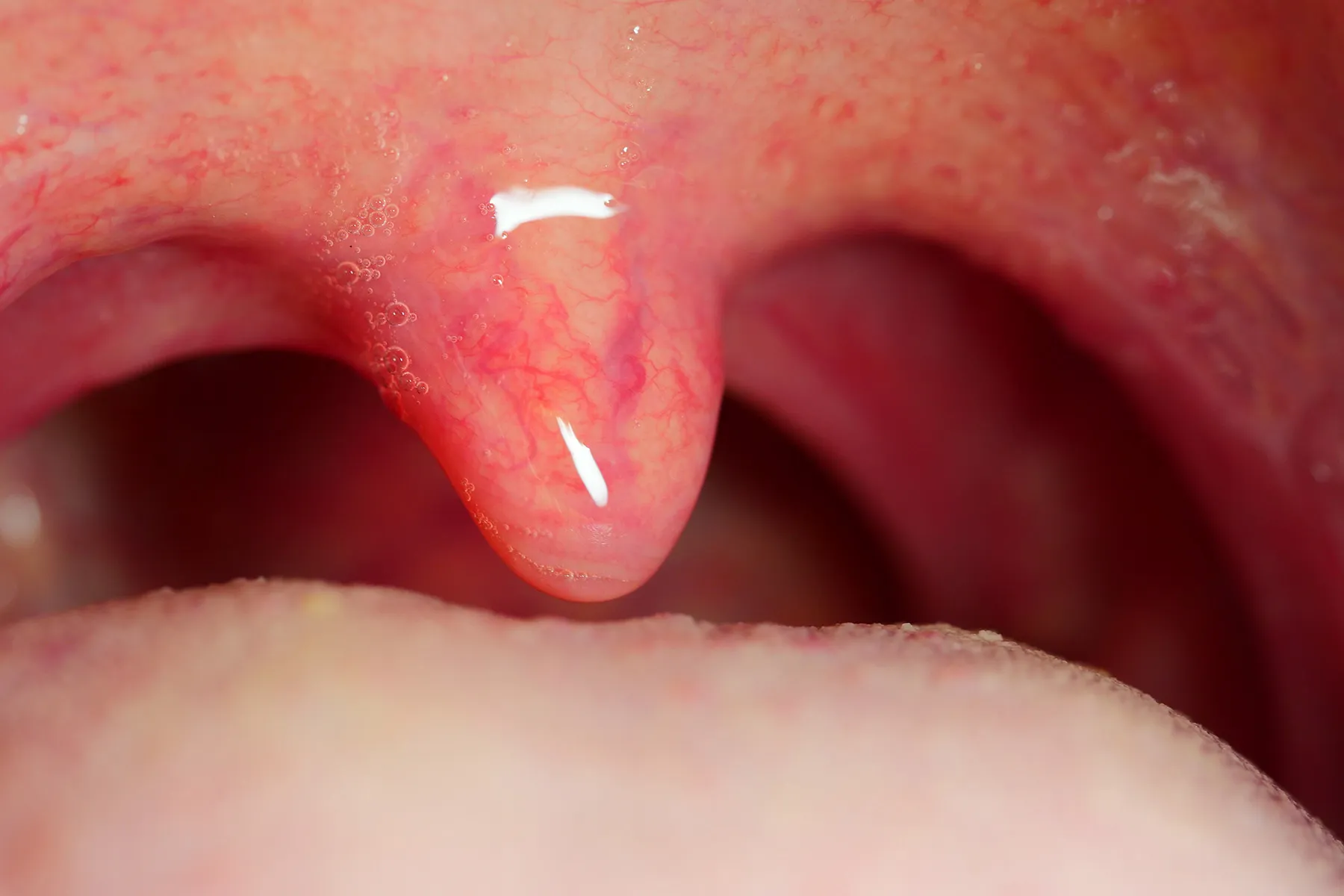
Tonsillitis — both acute and chronic — causes significant soft palate irritation. The tonsils sit at the back of your throat right against the soft palate, so when they swell, your palate feels it too.
Referred pain is common here. Your brain receives overlapping pain signals from the tonsils and the surrounding tissue, making it hard to pin down exactly where the discomfort originates.
Chronic tonsillitis flares can be triggered by allergies. In recurring cases, a tonsillectomy may eventually be recommended.
A sinus infection can cause surprising palate pain even without any direct contact with your mouth. The sinus cavities sit directly above the hard palate, separated by only a thin layer of bone and tissue.
When your sinuses become inflamed and congested, that pressure pushes downward. You feel it as a dull, deep ache across the roof of your mouth — especially across the hard palate just behind your front teeth.
Postnasal drip from sinusitis also irritates the soft palate as mucus constantly drips down the back of the throat. Associated symptoms include facial pressure, nasal congestion, pain that worsens when you bend forward, and thick yellowish discharge.
The common cold and flu viruses cause widespread inflammation in your upper respiratory tract. This includes your throat, nasal passages, and the mucous membranes lining your palate.
Palate pain from a viral illness tends to feel like general soreness and tenderness rather than a sharp, localized pain. It improves gradually as the infection clears — usually within 7 to 10 days.
The flu tends to cause more intense palate discomfort than a cold because of higher fever and stronger systemic inflammation.
Oral thrush is a fungal infection caused by an overgrowth of Candida albicans. It is especially common when you are sick and taking antibiotics, since antibiotics disrupt the natural bacteria that keep yeast in check.
You will typically see creamy white or pale yellow patches on the roof of your mouth, inner cheeks, and tongue. These patches can bleed when scraped. Soreness and pain when swallowing are the main symptoms.
Thrush requires prescription antifungal medication — it does not resolve on its own in adults.
Cold sores caused by HSV-1 can sometimes appear on the hard palate, not just the lips. When your immune system is weakened by illness, the virus can reactivate and cause painful fluid-filled blisters.
You may notice tingling or burning on the roof of your mouth 1–2 days before blisters appear. The blisters themselves cause significant discomfort when eating or swallowing. Antiviral medications like acyclovir can speed healing.
Canker sores are small, shallow ulcers with a white or yellow center and a red border. Stress, illness, immune changes, and nutritional deficiencies all trigger them.
When you are sick, your immune system is already strained, making canker sore outbreaks more likely. They appear on the hard or soft palate and cause sharp, stinging pain — especially with acidic, salty, or spicy foods.
Most canker sores heal on their own within 7 to 14 days. They are not contagious.
The epiglottis is the small flap of tissue behind your tongue that protects your windpipe during swallowing. When it becomes infected or inflamed (epiglottitis), referred pain can radiate to the back of the roof of your mouth.
Epiglottitis is a medical emergency. Additional warning signs include drooling, a muffled voice, difficulty swallowing, and severe difficulty breathing. If you suspect this, seek emergency care immediately.
When your nose produces excess mucus during illness, it drips down the back of your throat continuously. This constant flow irritates the soft palate and the back of the throat, causing soreness that feels worse when swallowing.
Postnasal drip is often associated with colds, allergies, and sinusitis. The irritation worsens at night when you lie flat, since gravity no longer drains mucus away from the palate.
| Illness | Palate Pain Type | Key Extra Symptoms | Typical Duration |
|---|---|---|---|
| Strep Throat | Sharp, soft palate, red spots | Fever, white patches, no cough | 3–7 days with antibiotics |
| Tonsillitis | Referred ache, back of palate | Swollen tonsils, difficulty swallowing | 7–10 days |
| Sinus Infection | Deep pressure, hard palate | Facial pressure, congestion, postnasal drip | 10–14 days |
| Common Cold | General soreness | Runny nose, cough, mild fever | 7–10 days |
| Flu | Intense soreness | High fever, body aches, fatigue | 5–7 days |
| Oral Thrush | White patches, burning | Taste changes, cracked lips | Needs antifungal treatment |
| Cold Sores | Blisters, tingling | Burning sensation before outbreak | 10–14 days |
| Canker Sores | Sharp, localized | Oval ulcer, red border | 7–14 days |
Pain specifically at the back of the roof of your mouth almost always involves the soft palate. This area is most reactive during throat infections.
The soft palate connects directly to the tonsils and the back wall of your throat. Any infection in that zone — strep, tonsillitis, viral pharyngitis — inflames the soft palate tissue. Every swallow stretches and moves that tissue, which is why the pain spikes each time.
If the pain is only on one side, see a doctor the same day. One-sided soft palate pain can indicate a peritonsillar abscess, which is a serious infection requiring drainage.
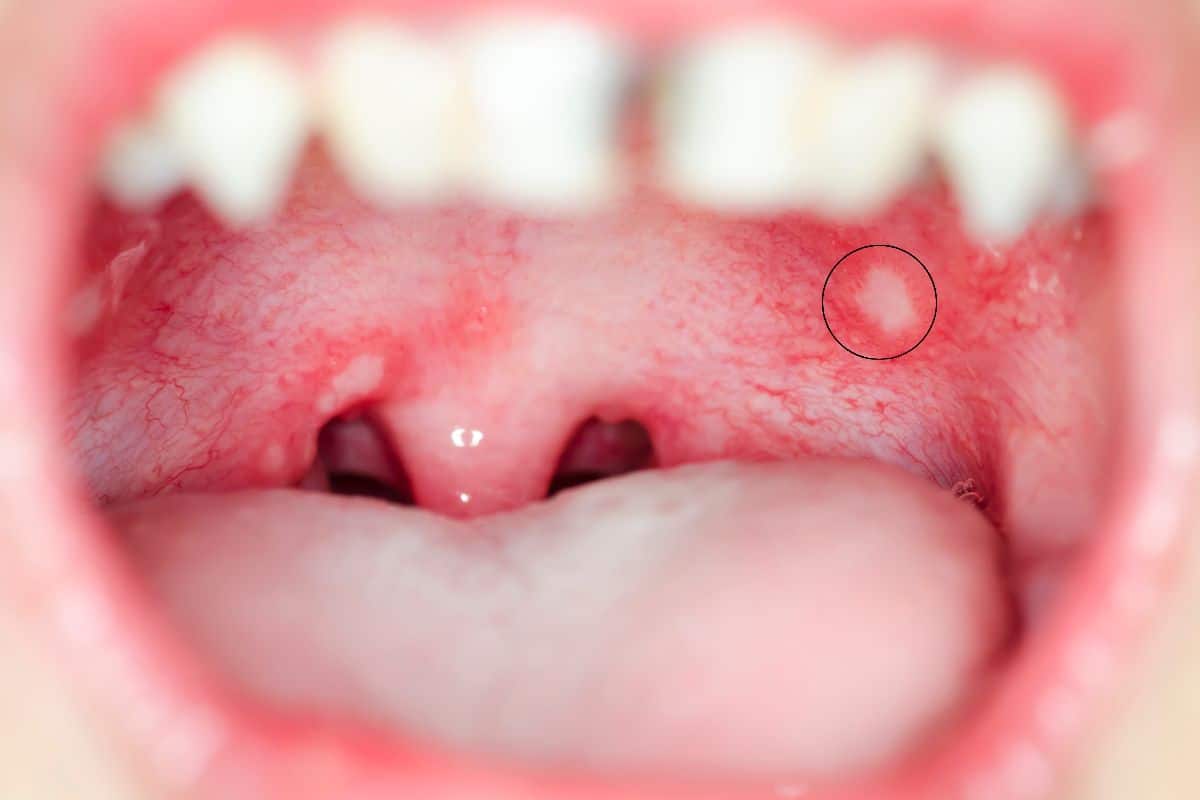
This is a common and confusing pattern. Sometimes the palate hurts distinctly but the throat feels relatively okay.
This often happens with sinus infections, where pressure from above causes pain in the hard palate without the throat being directly infected. It also happens with canker sores or minor palate injuries that developed during illness when the immune system was lowered.
Oral thrush can also cause this pattern — white patches on the palate cause localized pain, but the throat may remain clear.
Yes — significantly. When you are sick, you often breathe through your mouth, drink less water, and may have a fever that dehydrates you.
Saliva normally protects your palate by keeping tissues moist, flushing bacteria, and maintaining a healthy oral pH. When saliva production drops, the palate tissue becomes dry and fragile.
Dry, fragile tissue is far more sensitive to irritation, infection, and pain. Even normal swallowing creates friction on already-compromised tissue. Staying well-hydrated when sick is one of the most effective ways to reduce palate pain.
Being sick often reduces your appetite, which can worsen existing nutritional deficiencies. Several vitamins and minerals directly affect palate health.
Vitamin B12 deficiency can cause mouth sores and a swollen, painful tongue that spreads discomfort to the palate.
Iron deficiency is associated with canker sore outbreaks and general oral tissue fragility.
Vitamin C deficiency impairs tissue healing, making any existing sores or irritation slower to resolve.
Folate deficiency is linked to increased aphthous ulcer frequency.
If you are frequently getting palate pain when sick, ask your doctor about checking your B12, iron, and folate levels.
A saltwater rinse is one of the most effective home remedies for palate pain. Salt draws out swelling, reduces bacterial load, and keeps the area clean.
Use half a teaspoon of table salt dissolved in one cup of warm (not hot) water. Swish gently for 15 to 30 seconds, then spit. Repeat 2 to 3 times daily, especially after meals.
Cold temperatures numb inflamed tissue temporarily. Opt for yogurt, cold smoothies, applesauce, ice cream, or chilled soup.
Avoid anything hot, spicy, crunchy, or acidic. These foods will worsen irritation and delay healing.
Drink water consistently throughout the day. Warm herbal teas with honey can soothe throat and palate discomfort simultaneously. Avoid alcohol and excess caffeine, which dehydrate you further.
Ibuprofen or acetaminophen can reduce both pain and inflammation. Topical benzocaine gels (like Orajel) applied directly to canker sores or palate sores provide temporary numbing relief.
Avoid giving aspirin to children — it is associated with Reye’s syndrome.
Honey has natural antimicrobial and anti-inflammatory properties. Taking a teaspoon of raw honey or adding it to warm tea can soothe palate soreness and help with postnasal drip.
Dry air worsens mouth breathing and palate dryness when sick. Running a humidifier in your bedroom adds moisture to the air, reducing the drying effect on your palate overnight.
Most palate pain during illness resolves within 7 to 10 days. However, certain symptoms require prompt medical attention.
See a doctor if you have:
Persistent sores lasting longer than 2 weeks that are not improving should always be evaluated to rule out oral cancer, even though this is an uncommon cause.
Understanding what normal healing looks like helps reduce anxiety.
A viral illness typically causes palate soreness that peaks in the first 2 to 3 days and gradually improves from day 4 onward. A canker sore will usually be at its most painful for the first 3 to 4 days before slowly shrinking and closing over.
Strep throat with antibiotics should show clear improvement within 24 to 48 hours of starting treatment. Oral thrush requires antifungal treatment to clear and will not improve on its own.
If your pain is getting worse rather than better after 4 to 5 days of illness, check in with your doctor.
You cannot always prevent illness, but you can reduce how severely your palate is affected.
Stay hydrated before and during illness. Maintain your oral hygiene — gentle brushing and rinsing remove bacteria that worsen palate infections. Change your toothbrush after recovering from strep throat to avoid reinfection with the same bacteria.
Avoid smoking and vaping during illness — the heat and chemicals are a constant irritant that delays palate healing and worsens existing inflammation.
If you wear dentures, remove them nightly and soak them in a cleanser. Denture stomatitis — a yeast-related inflammation — is especially likely to flare during illness.
Support your immune system with adequate sleep, vitamin C, zinc, and maintaining your regular nutrition even when appetite is low.
When you are sick, infection or inflammation reaches the soft palate, which moves with every swallow. That movement aggravates the inflamed tissue and causes pain. Strep throat, tonsillitis, sinus infections, and viral illnesses are the most common reasons.
Yes. The sinus cavities sit directly above the hard palate. Inflammation and pressure from sinusitis can push downward, causing a deep, dull ache across the roof of your mouth even without a throat infection.
Pain specifically at the back of the roof of the mouth points to soft palate inflammation. This is most commonly caused by strep throat, tonsillitis, or viral pharyngitis. One-sided back palate pain needs same-day medical attention.
Palate pain from a cold or flu usually peaks in the first 2 to 3 days and clears within 7 to 10 days. Strep throat improves within 24 to 48 hours of starting antibiotics. Canker sores take 7 to 14 days. Oral thrush requires antifungal treatment.
Yes, but stick to cool, soft foods. Yogurt, smoothies, mashed potatoes, applesauce, and chilled soups are good options. Avoid hot, spicy, crunchy, or acidic foods, as these worsen irritation and slow healing.
Yes. Dehydration reduces saliva, leaving palate tissue dry and more prone to irritation. Staying well-hydrated is one of the simplest and most effective ways to manage palate pain when sick.
Yes. Illness and especially antibiotic use disrupt the natural oral bacteria, allowing Candida yeast to overgrow. This creates white patches and burning soreness on the palate. It requires prescription antifungal treatment.
Yes. Tiny red spots called petechiae on the roof of the mouth are a classic sign of strep throat. If you notice them alongside a sudden sore throat and fever, see a doctor for a throat swab test.
Go immediately if you have severe difficulty breathing, drooling, a muffled voice, or severe one-sided swelling. These can indicate epiglottitis or a peritonsillar abscess, both of which are medical emergencies.
A warm saltwater rinse is the most consistently effective home remedy. It reduces swelling, lowers bacterial load, and soothes irritated tissue. Cold foods, honey, ibuprofen, and staying hydrated also provide meaningful relief.
Why does the roof of your mouth hurt when sick? The most common answer is that illness — whether strep throat, a sinus infection, a viral cold, or tonsillitis — inflames the soft palate and surrounding tissue, and that inflammation is aggravated every time you swallow.
The type of pain, its location, and the symptoms that come with it tell you a lot about what is going on. Most cases resolve with rest, hydration, saltwater rinses, and soft foods within 7 to 10 days.
However, pain that worsens, spreads, or is accompanied by breathing difficulty, one-sided swelling, or sores that do not heal needs prompt medical evaluation.
Stay hydrated, be gentle with your diet, support your immune system, and do not ignore symptoms that feel out of proportion to a typical illness.
Your palate heals quickly when given the right conditions — understanding why it hurts is the first step to helping it recover.