
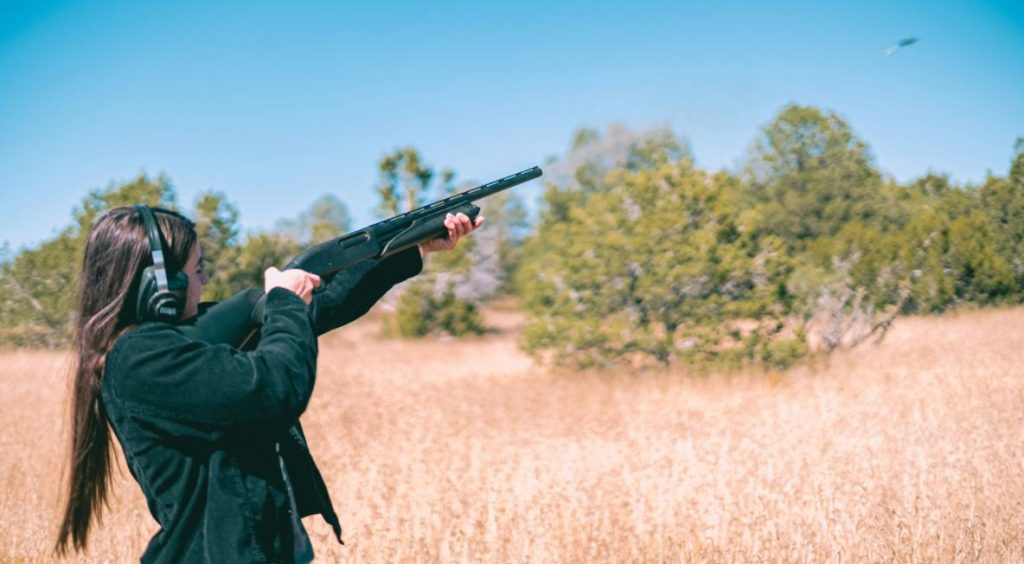
Why do hunters pattern their shotguns? Because every gun, choke, and shell combination shoots differently — and knowing exactly where your pattern lands can be the difference between a clean kill and a frustrating miss.
Patterning is not a one-time task. It is a pre-season ritual that every serious hunter should complete before stepping into the field.
Whether you hunt turkey, waterfowl, pheasant, or squirrel, understanding how your shotgun performs with your specific setup helps you shoot more accurately, ethically, and confidently every single time.
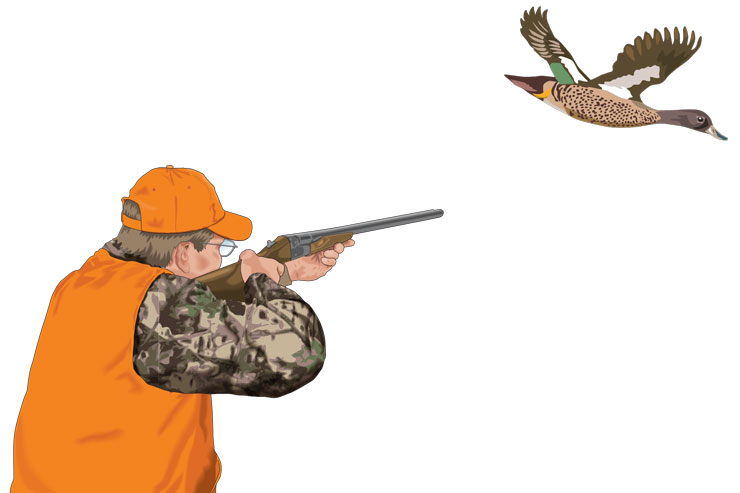
Shotgun patterning is the process of firing your shotgun at a paper target and then analyzing how the pellets spread across that target. It reveals how densely and evenly your shot is distributed at a given distance.
Unlike a rifle, a shotgun fires dozens to hundreds of small pellets. These pellets do not all land in the same spot — they scatter in a pattern. The size, shape, and density of that pattern depends on your choke, your ammunition, and your specific gun barrel.
Patterning tells you exactly what that combination produces at real hunting distances.
The number one reason hunters pattern their shotguns every season is simple: things change. Even if you used the same gun last year, a new box of shells or a different lot number from the same brand can produce a noticeably different pattern.
Gun mechanics, choke wear, and even small changes in ammunition formulas shift your pattern from year to year. Hunters who skip patterning are essentially guessing — and in the field, guessing costs you birds.
Every shotgun pattern is controlled by three key factors. Changing any one of these changes everything.
| Variable | What It Controls | What Happens When You Change It |
|---|---|---|
| Shotgun / Barrel | Base spread behavior | Same choke, different gun = different pattern |
| Choke Tube | Constriction of pellets at muzzle | Tighter choke = denser pattern at longer range |
| Ammunition | Pellet size, material, and wad design | Different loads = dramatically different results |
Every combination of these three factors must be tested together. A choke that works beautifully with lead #6 might produce gaps and fliers with TSS #9. You cannot assume — you must test.
The choke tube screws into the end of your shotgun barrel and constricts the shot column as pellets leave the muzzle. The tighter the constriction, the more the pellets are held together as they travel downrange.
| Choke Type | Constriction | Best Range | Typical Use |
|---|---|---|---|
| Cylinder | .000 | 0–15 yards | Home defense, slugs |
| Improved Cylinder | .010 | 15–25 yards | Close upland birds |
| Modified | .020 | 20–35 yards | General upland, dove |
| Full | .035 | 30–45 yards | Turkey, longer shots |
| Extra Full / Turkey | .045+ | 40–55+ yards | Turkey hunting only |
For turkey hunting, most serious hunters use a full or extra-full choke to deliver a dense, lethal pattern at 40 yards. However, if a turkey walks in at 10 yards and your choke is too tight, your pattern may be smaller than a softball — making it easy to miss.
A good pattern delivers enough pellets into the vital zone of your target animal to ensure a clean, ethical kill. The standard benchmark for turkey hunting is at least 100 pellets within a 10-inch circle at 40 yards.
For waterfowl, pheasant, and other birds, the goal shifts. You are looking for even coverage within a 30-inch circle at your expected hunting distance without any major gaps or holes that a bird could fly through cleanly.
A patchy, uneven pattern with large gaps is dangerous. It means birds can sail through your pattern without taking a lethal hit — leading to crippled or lost game.
Follow this process before every hunting season to dial in your setup and build real confidence in your equipment.
Collect the choke tubes and ammunition you plan to use this season. Buy at least two or three different loads to compare. Use the same shotgun you will hunt with — do not pattern one gun and hunt with another.
Use a large piece of cardboard or paper at least 4 feet wide. Small 10-inch targets will not show you the full spread of your pattern. Draw an aiming point in the center and mark the distance on the target.
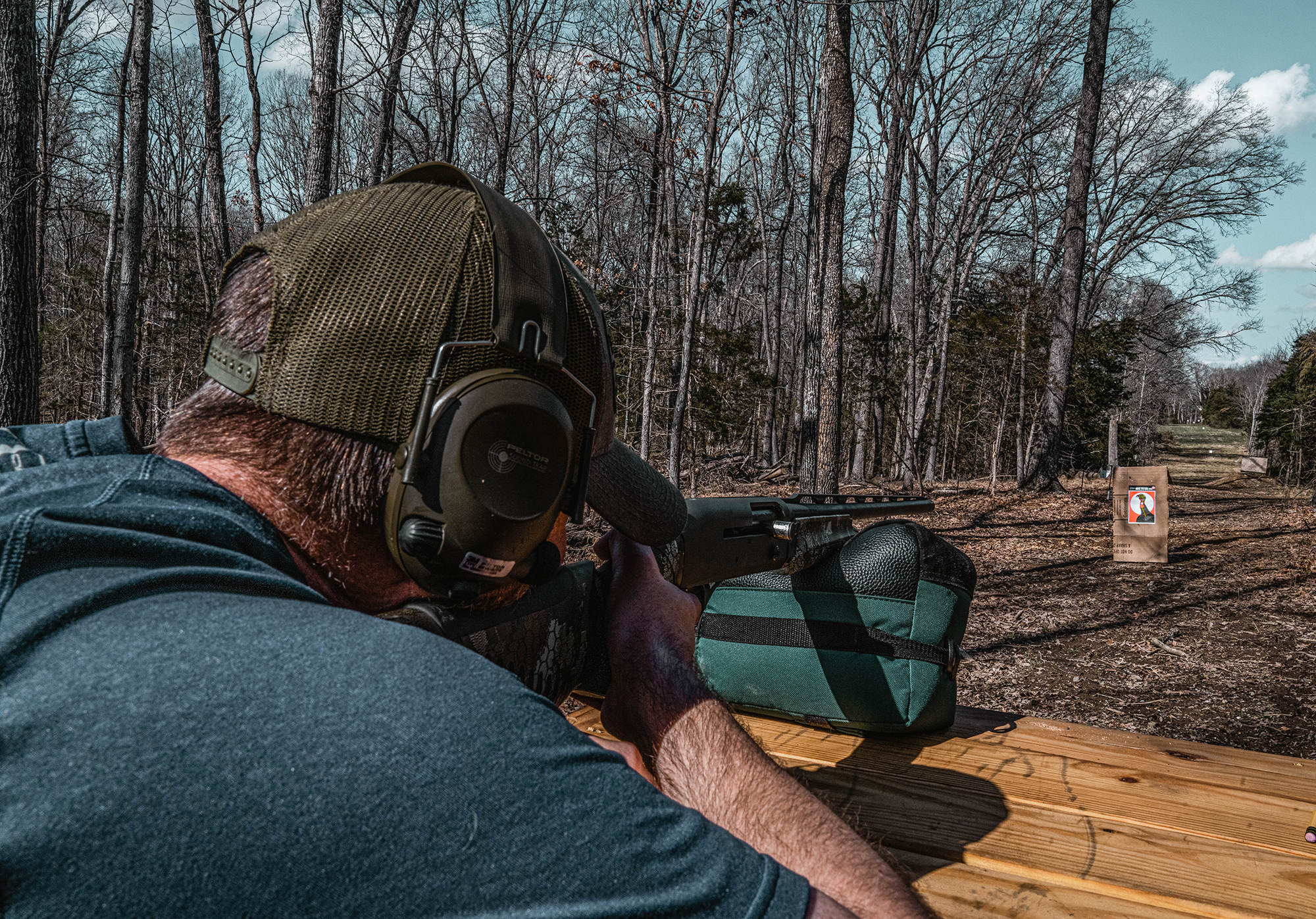
Place your target at 15 yards first to confirm your shot is landing on the paper. Then move out to 30 yards and 40 yards. Shoot from a bench rest or sandbags to eliminate human error. Every variable except the gun, choke, and shell should be removed.
After each shot, count the pellet holes within a 10-inch circle around the densest part of the pattern. Look for gaps, holes, or uneven coverage. A good turkey pattern has 100+ pellets in that 10-inch circle. A good upland pattern has even, consistent coverage with no obvious voids.
Repeat with every choke and shell combination you have. Keep notes. Some combinations will outperform others dramatically. You are looking for the pairing that delivers the densest, most even pattern at your expected hunting distance.
This is a step most beginners miss entirely. Your shotgun may not shoot where you look. Some barrels pattern high, low, left, or right depending on the manufacturer’s design. If your pattern center is consistently off from where you aimed, adjust your sight or optics accordingly before the season opens.
Many hunters assume their shot lands exactly where they look. That assumption leads to missed birds and frustration.
Some shotgun manufacturers intentionally build their guns to pattern slightly high. This allows hunters to see the bird while they swing and shoot — the pattern rises into the flight path rather than dropping below it. But this varies by brand, model, and even individual barrel.
The only way to confirm your point of aim matches your point of impact is to shoot at paper and measure. If your pattern center is three inches high and two inches right at 30 yards, that matters in the field.
Even experienced hunters are surprised by this. You can use the same shotgun, the same choke, and the same brand of shells as last season — and get a noticeably different pattern.
Ammunition manufacturers regularly update their loads. A new lot number can mean slightly different powder, a revised wad design, or reformulated shot material. Any of these changes alters how pellets travel through the choke and how they disperse downrange.
This is why patterning every season — not just once — is the professional standard among serious hunters.
Turkey hunting places the highest demands on your shotgun setup. The target — a turkey’s head and neck — is small. You need a dense, precise pattern to deliver enough pellets into the right area for a clean, ethical kill.
| Distance | Minimum Pellets in 10-Inch Circle | Choke Recommendation |
|---|---|---|
| 20 yards | 150+ | Full or Extra Full |
| 30 yards | 125+ | Extra Full or Turkey |
| 40 yards | 100+ | Turkey Choke |
| 50 yards | 80+ (TSS only) | Turkey Choke + TSS Load |
At 40 yards, which is considered the standard effective range for most turkey loads, you need that 100-pellet minimum to be confident in a clean harvest. Going beyond 40 yards without verified patterning at that distance is an ethical problem, not just a technical one.
Modern turkey ammunition has changed the patterning equation significantly. TSS, or Tungsten Super Shot, is far denser than lead. This allows hunters to use smaller shot sizes — like #9 — that still carry more energy than larger lead pellets.
Because TSS pellets are heavier and smaller, you can fit far more of them into a shell. This means denser patterns, more pellets in the kill zone, and effective ranges that can stretch beyond 50 yards with the right choke.
However, TSS reacts differently to choke constriction than lead. A choke that is too tight can actually degrade TSS patterns. Patterning TSS loads with your specific choke is not optional — it is mandatory.
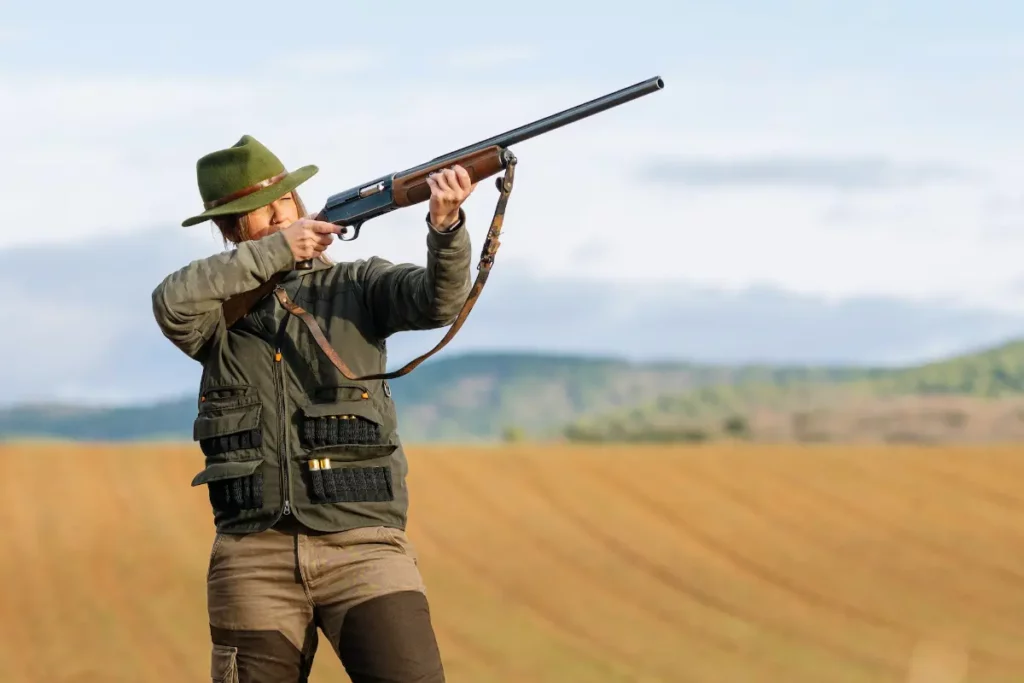
Turkey hunting gets most of the patterning attention, but waterfowl and upland bird hunters benefit just as much from the practice.
Pheasant, quail, dove, and grouse are typically taken at closer ranges — 20 to 35 yards — where a modified or improved cylinder choke provides a broader pattern with more margin for error on fast-moving birds.
Waterfowl hunters using steel shot face unique challenges. Steel is harder than lead and cannot be constricted as tightly without damaging the choke. Most manufacturers recommend a maximum of a modified choke with steel shot. Patterning at your expected shooting distance confirms that your spread is adequate for the birds you are pursuing.
Even hunters who do pattern their guns fall into predictable traps. Knowing these mistakes helps you avoid them.
Shooting without a rest introduces your body’s movement into the equation. Every flinch, breath, and pulse affects shot placement. Always use a bench rest or sandbags when patterning to isolate gun, choke, and ammo performance.
If you only pattern at 40 yards, you do not know what your gun does at 20 or 30 yards. A bird that walks in close may be inside a pattern that is too tight to hit cleanly. Test at multiple distances to understand the full performance range of your setup.
Ammo changes. Choke tubes wear over time. Your barrel accumulates fouling that can subtly affect patterns. Re-pattern every season — even if you think nothing has changed.
A pattern with a 4-inch gap might look acceptable at a glance. But a turkey’s head could slip through that gap cleanly at 35 yards. Count pellets. Look for gaps. If the pattern has weak spots, try a different choke or shell combination.
Many hunters set up a choke, shoot three shots, see pellets on the paper, and call it done. Without checking where the pattern center falls relative to your aim point, you may be hunting with a gun that shoots 4 inches left of where you look.
Three to five shots per choke-and-shell combination is a practical minimum. This gives you enough data to confirm consistency without burning through a full box of expensive turkey loads.
If you see dramatically different patterns between shot one and shot three from the same combination, that inconsistency is itself important data. Either the combination is unpredictable, or there is an issue with your gun or choke.
For serious hunters comparing multiple combinations, expect to shoot 20 to 30 shells across a full patterning session.
Patterning is ultimately an ethical responsibility. Taking a shot at an animal without knowing how your gun performs at that distance is gambling with a living creature’s welfare.
A poorly patterned gun may wound birds rather than kill them cleanly. That means lost game, unnecessary suffering, and wasted resources. Hunters who invest 30 minutes in pre-season patterning are making a commitment to clean, ethical harvests — not just better shooting scores.
Proper patterning shows respect for the animal, the hunt, and the tradition of responsible firearm use.
Barrel length does not significantly affect pattern density or spread. Choke constriction is the primary driver of pattern behavior. However, a longer barrel does provide a longer sighting plane, which can improve consistent aim — indirectly improving where your pattern lands on target.
Shorter barrels are more maneuverable in thick cover. Longer barrels provide smoother swings on moving birds. Neither is definitively better for patterning purposes.
Shot size matters a great deal. Larger pellets are fewer in number per shell, so your pattern will have less density. Smaller pellets are more numerous, creating denser patterns — but they lose energy faster at longer ranges.
When patterning, always use the exact shot size you plan to hunt with. Testing #4 lead and then hunting with #6 gives you useless data. The pattern behavior will be different enough to matter at hunting distances.
Factory chokes included with your shotgun are functional and adequate for general hunting. However, aftermarket turkey chokes from brands like Carlson, Jebs, Indian Creek, Kicks, and Muller are precision machined to tighter tolerances and often produce more consistent, denser patterns — particularly with modern loads like TSS.
For waterfowl and upland hunting, factory chokes perform excellently in most cases. The added expense of aftermarket chokes is most justified for turkey hunters pushing effective ranges beyond 40 yards.
Whichever choke you use, always match the threading to your specific shotgun model. A Remington-threaded choke will not fit a Mossberg — and the constriction measurements may differ even between the same model of choke made for different guns.
The ideal time to pattern is four to six weeks before your season opens. This gives you enough time to order different chokes or ammunition if your current combination does not produce acceptable patterns.
Do not wait until the week before season to pattern. If you need to swap chokes, order new shells, or adjust your sights, you need that lead time.
Many experienced hunters pattern in late winter or early spring for turkey season and again in early fall before waterfowl and upland seasons open.
| Item | Purpose |
|---|---|
| Shotgun | The gun you will hunt with |
| Multiple choke tubes | To compare constriction options |
| Multiple shell brands/sizes | To compare ammo performance |
| Large paper or cardboard targets | At least 4 feet wide |
| Bench rest or sandbag | To eliminate shooter error |
| Permanent marker | To mark aim points |
| Tape measure or rangefinder | To confirm target distances |
| Ear and eye protection | Non-negotiable safety gear |
| Notebook and pen | To record results |
When a gobbler steps into range and raises his head, you do not have time to wonder if your gun is capable of making the shot. Doubt in that moment costs you birds.
Hunters who have patterned their guns know exactly what their setup does at 20, 30, and 40 yards. They know their point of aim matches their point of impact. They know their choke and shell combination delivers adequate pellet density at their expected shooting distance.
That knowledge translates directly into calm, confident trigger pulls and clean harvests.
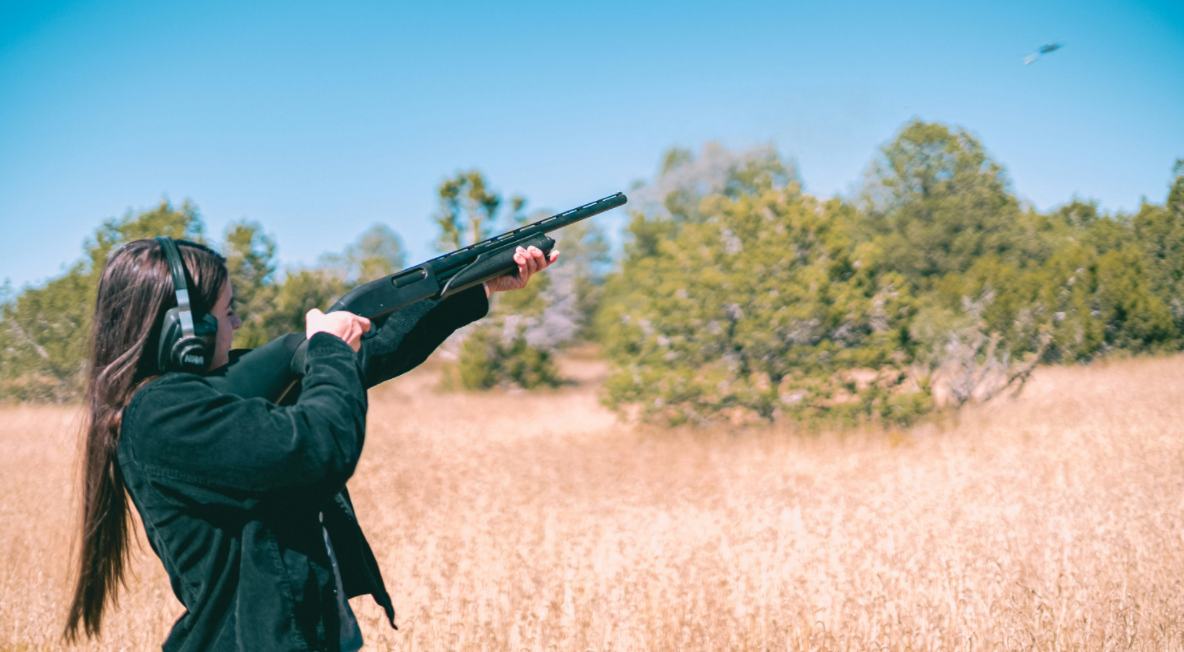
Sighting in a firearm refers to adjusting optics or iron sights so the point of aim matches the point of impact for a single projectile. Patterning is the shotgun equivalent — but instead of a single bullet, you are evaluating the spread and density of dozens or hundreds of pellets.
Both processes serve the same ultimate purpose: confirming that your gun shoots where you intend it to shoot. Both should be done before every season.
For shotguns with optics — red dots, scopes, or adjustable iron sights — sighting in and patterning work together. Confirm your sight picture first at close range, then pattern at full hunting distance.
Ammunition formulas change between lots, and choke tubes wear over time. Patterning confirms your setup still performs as expected before the season begins.
Pattern at the distances you actually hunt — typically 20, 30, and 40 yards. Turkey hunters should always verify at 40 yards, the standard effective distance.
You need at least 100 pellets within a 10-inch circle at 40 yards to ensure a clean, ethical kill on a turkey.
No. Turkey chokes are too tight for steel shot used in waterfowl hunting and can damage your choke. Use a modified choke maximum with steel loads.
Yes. Smaller shot sizes produce more pellets per shell and denser patterns, but lose energy faster. Always pattern with the exact shot size you plan to hunt with.
Shoot at a paper target with a marked center from a bench rest. Measure where the densest part of your pattern falls relative to your aim point.
For turkey hunting at extended ranges, aftermarket chokes often produce more consistent and denser patterns. For general upland hunting, factory chokes perform well in most situations.
You need a safe backstop and sufficient distance, typically requiring a range or large private property. Never pattern in a location without a proper backstop.
Shoot three to five shots per choke-and-shell combination at minimum to confirm pattern consistency.
Not significantly. Choke constriction is the primary driver of pattern density and spread. Barrel length affects handling and swing, not the pattern itself.
Why do hunters pattern their shotguns? Because patterning is what separates guessing from knowing.
Every combination of gun, choke, and ammunition produces a unique pattern — and that pattern changes with every season, every new box of shells, and every worn choke tube.
Hunters who invest time in pre-season patterning know exactly what their setup delivers at 20, 30, and 40 yards. They confirm their point of aim matches their point of impact.
They identify the best choke-and-shell combination for their specific gun and target species.
Most importantly, they enter the field with genuine confidence and the ability to make clean, ethical shots on every bird they pursue.
Pattern your shotgun before every season, keep notes on what works, and never let guesswork follow you into the field.