
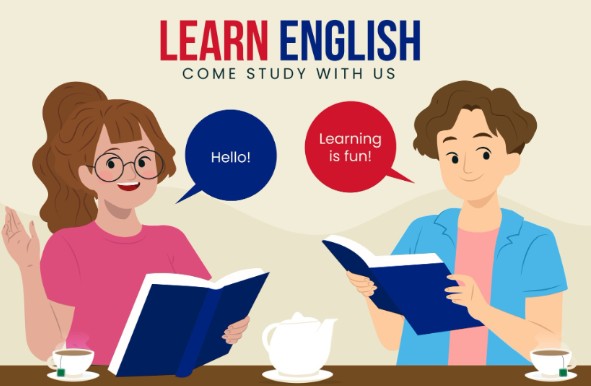
In today’s increasingly competitive academic environment, strong language skills have become more important than ever for young learners. English, in particular, plays a central role in shaping a child’s ability to communicate, comprehend, and perform across multiple subjects. As a result, many parents now turn to structured English tuition for Primary school students to support their children’s academic journey. This additional guidance helps build a solid foundation during the formative years of education, ensuring that students develop the confidence and skills needed for long-term success.
The Significance of English Proficiency in Primary Education
English is widely recognised as a global language of communication, and its importance extends far beyond the classroom. For primary school students, mastering English is essential because it directly influences their ability to understand and excel in other subjects such as science, mathematics, and social studies.
When children develop strong English skills early on, they are better able to express their thoughts clearly, engage in classroom discussions, and understand complex instructions. These abilities contribute not only to academic performance but also to personal development and self-confidence.
Early exposure to the language also supports cognitive development. It enhances memory, improves analytical thinking, and encourages curiosity. This makes English learning a crucial part of shaping well-rounded learners who are prepared for future academic challenges.
Developing Skills Through Structured Learning Approaches
English tuition often provides a more structured and personalised learning experience compared to traditional classroom settings. Each child learns differently, and tuition allows educators to tailor lessons according to individual strengths and areas that require improvement.
Key areas such as grammar, vocabulary, reading comprehension, and creative writing are often given focused attention. This targeted approach ensures that students build a strong foundation in all essential aspects of the language.
By addressing learning gaps early, tuition helps students gain confidence in their abilities. As their understanding improves, they often develop a greater appreciation for the language, which further encourages consistent learning and progress.
Beyond Classroom Learning
One of the main advantages of English tuition is that it extends learning beyond standard school lessons. Students are exposed to a variety of teaching methods that make learning more engaging and interactive.
These may include storytelling sessions, guided reading exercises, comprehension activities, and interactive discussions. Such methods encourage students to think critically and express themselves more freely.
Group activities also play an important role in developing communication skills. By participating in discussions and collaborative tasks, students learn how to articulate their ideas while also listening to others. This helps build both confidence and social awareness.
The Impact of Technology in Teaching English
Technology has significantly transformed the way English is taught and learned. Modern tuition programmes often incorporate digital tools to make lessons more interactive and accessible.
E-learning platforms, educational apps, and virtual classrooms allow students to practise language skills beyond the physical classroom. These tools provide instant feedback, helping learners understand their mistakes and improve more effectively.
Digital resources also allow students to explore language in different contexts, making learning more dynamic and engaging. For today’s digitally connected generation, this approach helps maintain interest and motivation in language learning.
The Role of Parents in Supporting English Learning
While tuition plays a vital role in academic development, parental involvement is equally important in reinforcing learning at home. A supportive home environment can significantly enhance a child’s progress in English.
Simple activities such as reading together, storytelling, or engaging in everyday conversations in English can strengthen language skills. Word games and educational activities can also make learning enjoyable while reinforcing classroom lessons.
When parents stay actively involved and communicate regularly with educators, they can better understand their child’s progress and address any challenges early. This partnership between parents and tutors creates a more consistent and supportive learning experience.
Evaluating the Effectiveness of English Tuition
Measuring the success of English tuition involves observing both academic and behavioural improvements. Increased confidence in speaking, better writing skills, and improved comprehension are all indicators of progress.

Academic performance in school assessments is another important measure. Regular feedback from teachers and tutors helps identify areas of strength and those that require further attention.
By monitoring these developments, parents and educators can adjust learning strategies to better suit the child’s evolving needs, ensuring continuous improvement over time.
Preparing for a Globalised Future
In an increasingly interconnected world, English proficiency is a valuable skill that opens doors to numerous opportunities. From higher education to future careers, strong English abilities provide a significant advantage.
For primary school students, early exposure through structured tuition helps build the linguistic foundation needed for global communication. It also fosters cultural awareness and encourages curiosity about the wider world.
As students grow, these skills enable them to participate confidently in diverse environments, both academically and socially. English tuition, therefore, plays an important role in preparing young learners for a future that extends far beyond the classroom.
Conclusion: Building Strong Foundations Through English Tuition
English tuition for primary school students is more than just additional academic support; it is an investment in a child’s future development. By focusing on personalised learning, interactive teaching methods, and continuous improvement, tuition helps children build strong language foundations during their most important learning years.
With the combined support of educators, parents, and modern learning tools, students are better equipped to develop confidence, communication skills, and academic competence. Ultimately, English tuition plays a vital role in shaping capable, expressive, and future-ready learners prepared to thrive in a globalised world.