

Why does my ear hurt when I chew — this is one of the most searched health questions in 2026, and for good reason.
Ear pain during chewing feels alarming, especially when it starts suddenly with no obvious cause.
The surprising truth is that most ear pain linked to chewing has nothing to do with your ear at all. It stems from your jaw, teeth, or surrounding nerves.
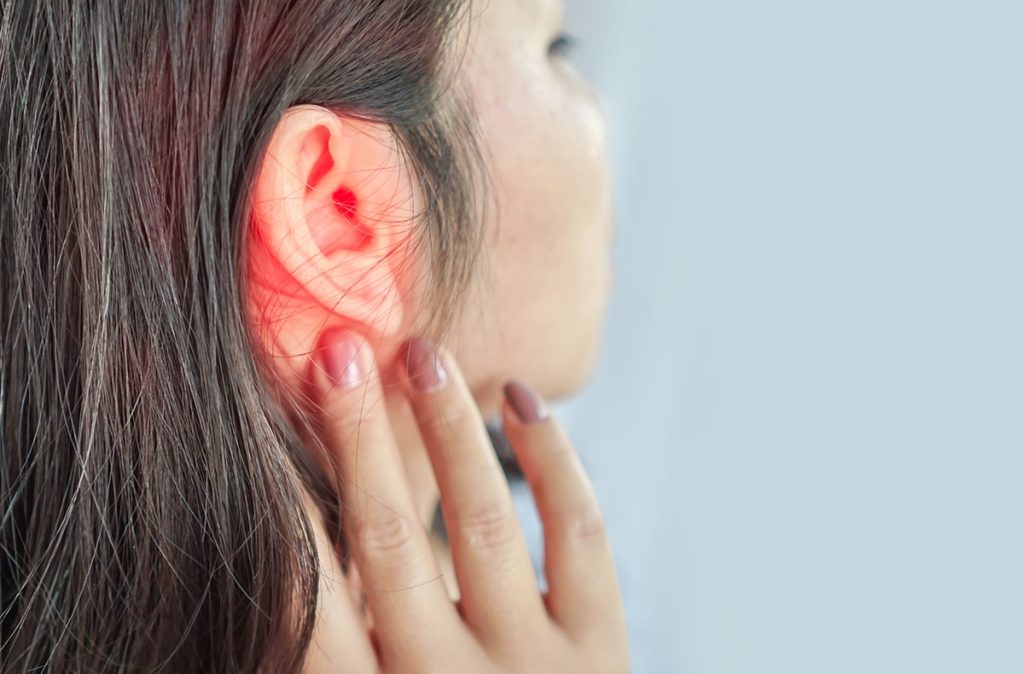
Your temporomandibular joint (TMJ) sits directly in front of your ear canal. It is the hinge that connects your lower jaw to your skull and moves every time you chew, talk, or yawn.
Because the TMJ shares nerve pathways with the middle ear, any inflammation or stress in the joint can send pain signals straight to the ear. This is why chewing, a perfectly normal activity, can suddenly trigger sharp or dull ear pain.
The trigeminal nerve is the main sensory nerve of the face. It runs through your jaw, teeth, and the area around your ears — which is why dental problems, jaw issues, and ear pain are so deeply interconnected.
Referred pain is when you feel discomfort in one place while the actual source of the problem is somewhere else entirely. Your brain misreads the signal’s origin.
When the jaw joint or a tooth becomes inflamed, the pain signal travels along shared nerve pathways and arrives in the ear. This is one of the most common reasons people think they have an ear infection when their ears are completely fine.
Understanding referred pain is the key to getting the right diagnosis. Many patients visit an ENT or audiologist first, only to discover the real issue is dental or jaw-related.
Here is a clear breakdown of all the main reasons your ear may hurt when you chew:
| Cause | Where Pain Originates | Pain Pattern |
|---|---|---|
| TMJ Disorder | Jaw joint near ear | Ache while chewing or yawning |
| Bruxism (teeth grinding) | Jaw muscles and joint | Worse in morning or after meals |
| Impacted Wisdom Teeth | Lower or upper back jaw | Sharp or throbbing, one-sided |
| Ear Infection (Otitis) | Outer or middle ear | Deep, constant ache |
| Sinusitis | Maxillary sinus cavities | Pressure, worse when bending |
| Dental Abscess or Cavity | Infected tooth root | Throbbing, hot or cold sensitivity |
| Osteoarthritis of TMJ | Joint cartilage | Grinding noise, stiffness |
| Parotitis (salivary gland) | Parotid gland near ear | Swelling in front of ear |
TMJ disorder (also called TMD) is the number one reason adults experience ear pain when chewing. Research shows that between 10 and 15 percent of adults deal with some form of TMJ disorder in their lifetime.
The joint becomes inflamed, stiff, or misaligned, causing pain that radiates directly into the ear canal. You may also notice a clicking or popping sound when you open and close your mouth.
Common triggers for TMJ flare-ups include stress, jaw clenching while sleeping, chewing hard foods like raw vegetables or crusty bread, and teeth grinding (bruxism). Even poor posture can worsen TMJ symptoms over time.
Bruxism means grinding or clenching your teeth, and most people do it at night without realizing it. The repeated pressure overloads the jaw muscles and the TMJ.
Over time this leads to worn enamel, jaw muscle fatigue, and chronic pain that radiates to the ear. Tooth grinders often wake up with ear pain or jaw soreness that feels worse at breakfast when they start chewing.
A custom night guard from your dentist is the most effective way to stop this damage. Stress management techniques like meditation or jaw relaxation exercises also help reduce clenching frequency.
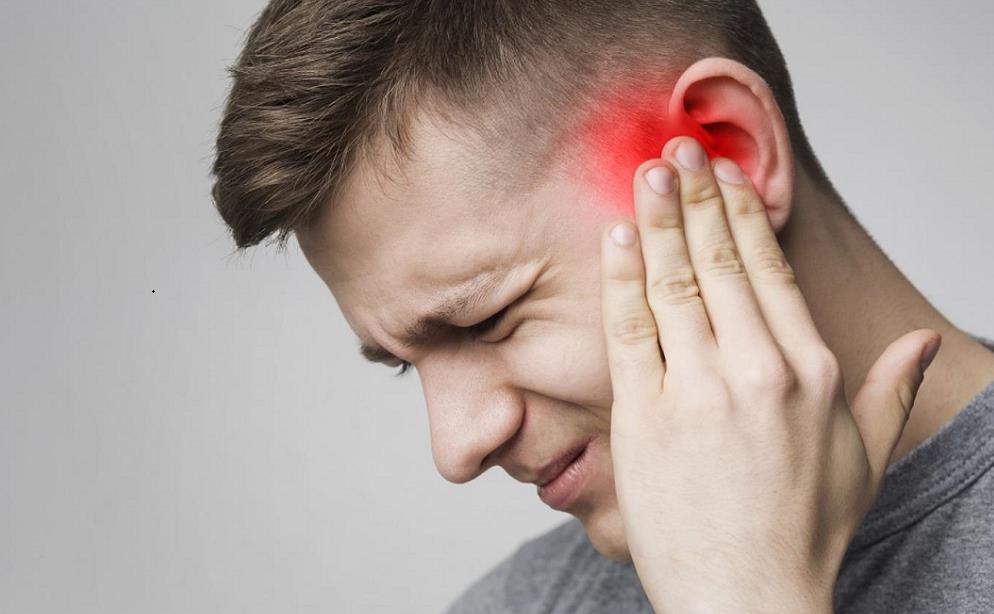
Wisdom teeth typically emerge between the ages of 17 and 25. When there is not enough room in the jaw, they become impacted — stuck beneath the gum or growing at an awkward angle.
An impacted wisdom tooth presses on surrounding nerves and inflames nearby tissue. Because the jaw and ear share nerve pathways, this inflammation easily travels to the ear and creates a persistent dull ache or sharp stabbing sensation.
Research suggests around 81 percent of adults aged 20 to 29 with erupting third molars experience some degree of inflammation or infection around those teeth.
Outer ear infections (otitis externa) and middle ear infections (otitis media) can cause pain that intensifies when the jaw moves. The chewing motion shifts tissue near the infected ear canal, increasing pressure and pain.
Unlike TMJ pain, an ear infection usually comes with additional symptoms such as fever, discharge from the ear, muffled hearing, or a feeling of fullness deep inside the ear. The pain is typically constant, not just triggered by chewing.
Outer ear infections are often called swimmer’s ear and occur when bacteria enter the ear canal through water exposure or small scratches. Middle ear infections are more common in children but can affect adults too, especially alongside a cold or sinus infection.
The maxillary sinuses are the large air spaces located behind your cheekbones, directly above your upper back teeth. When these sinuses become inflamed from a cold, allergy, or bacterial infection, the pressure pushes down on the tooth roots below.
This pressure creates pain that can feel exactly like a toothache or jaw pain. The sinuses and ears are also connected through the Eustachian tube, so sinus inflammation frequently causes ear pressure, muffled hearing, and ear pain at the same time.
Sinus-related ear pain tends to affect multiple teeth and both ears rather than being isolated to one specific spot. It also gets worse when you bend forward, lie down, or move your head quickly — patterns that are less common with pure dental pain.
A deep cavity, cracked tooth, or infected tooth root can send pain radiating through the jaw and straight into the ear. The trigeminal nerve connects your teeth, jaw, and the area near your ears in a shared sensory system.
When bacteria infect a tooth root, the inflammation spreads through this nerve network. The result is a throbbing ache that can feel like it is coming from the ear when it actually starts at an infected molar.
You may notice increased sensitivity to hot and cold foods, swelling in the gums, a bad taste in the mouth, or pain that gets worse when you bite down. These signs all point toward a dental cause rather than a true ear infection.
Just like any other joint in the body, the temporomandibular joint can develop arthritis over time. Osteoarthritis in the TMJ is caused by wear and tear on the cartilage that cushions the joint during movement.
As the cartilage thins, the bones begin to rub against each other, causing stiffness, grinding sensations, and pain that worsens with chewing. Rheumatoid arthritis and psoriatic arthritis can also attack the TMJ because they cause the immune system to damage healthy joint tissue throughout the body.
People with TMJ arthritis often notice that the pain builds gradually over months or years rather than starting suddenly. Morning stiffness and limited jaw movement are common early warning signs.

The parotid glands are the largest salivary glands in the body, located just in front of and below each ear. When these glands become infected or inflamed (parotitis), they can cause significant swelling and pain in the ear region.
Because the parotid gland sits so close to the TMJ and ear canal, the pain is easily confused with ear pain or jaw pain. Chewing stimulates saliva production, which puts extra demand on an already inflamed gland and increases discomfort.
A visibly swollen area in front of your ear, pain that increases when you see or smell food, and a dry mouth alongside ear pain all suggest parotitis. A doctor can diagnose this through a physical exam and may prescribe antibiotics or other treatments.
Getting the right diagnosis matters because the treatments for TMJ disorder, ear infection, and wisdom tooth pain are all completely different. Here is what a clinical evaluation typically involves:
Physical Examination A doctor or dentist will press on the jaw joint, check for swelling, and observe how far you can open your mouth. Clicking sounds and pain patterns provide important diagnostic clues.
Dental X-Rays or Panoramic Imaging A panoramic X-ray shows all of your teeth and jaw structures at once. This reveals impacted wisdom teeth, abscesses, bone changes from arthritis, or disc displacement in the TMJ.
MRI or CT Scan For complex cases, an MRI can show the soft tissue inside the TMJ including the articular disc, while a CT scan reveals bone structure in detail. These are used when physical exams and standard X-rays do not give enough information.
Ear Examination An ENT specialist may use an otoscope to examine the ear canal and eardrum directly. If the ear looks completely normal despite the pain, a jaw or dental source becomes more likely.
| Cause | First-Line Treatment | Medical or Dental Intervention |
|---|---|---|
| TMJ Disorder | Soft diet, warm compress, jaw rest | Night guard, physical therapy, anti-inflammatories |
| Bruxism | Night guard, stress reduction | Botox injections for severe cases |
| Impacted Wisdom Teeth | Soft foods, pain relievers | Extraction, antibiotics for infection |
| Ear Infection | Keep ear dry, OTC pain relievers | Antibiotics, antifungals, ear drops |
| Sinusitis | Nasal rinses, steam, decongestants | Antibiotics, nasal corticosteroids |
| Dental Abscess | Rinse with warm salt water | Root canal, extraction, antibiotics |
| TMJ Arthritis | Heat therapy, anti-inflammatories | Steroid injections, specialist referral |
You do not always need to rush to a doctor the moment your ear hurts when chewing. Several evidence-backed home strategies can ease the pain while you identify the cause.
Switch to Soft Foods Removing chewing strain from the jaw is the single fastest way to reduce TMJ-related ear pain. Switch to soups, scrambled eggs, yogurt, mashed vegetables, and soft-cooked meats for at least one week.
Apply Moist Heat A warm, damp towel or heat pack applied to the jaw for 10 to 15 minutes twice daily relaxes tight muscles and reduces joint inflammation. This is especially effective for TMJ disorder and bruxism-related pain.
Over-the-Counter Anti-Inflammatories Ibuprofen (400–600 mg with food) reduces both pain and inflammation at the joint or infected site. Acetaminophen is a good alternative if ibuprofen is not suitable for you.
Jaw Rest and Mindful Posture Avoid wide yawning, nail biting, chewing gum, or resting your chin on your hand. These habits strain the TMJ without most people noticing.
Cold Compress for Acute Swelling If you notice visible swelling near the jaw or ear, a cold pack wrapped in a cloth applied for 10 minutes at a time can reduce inflammation in the first 24 to 48 hours.
Salt Water Rinse If a dental issue is suspected, rinsing with warm salt water several times a day helps reduce oral bacteria, clear debris around teeth, and soothe inflamed gum tissue.
Mild ear pain that comes and goes during chewing may resolve on its own with home care. However, certain signs require prompt medical evaluation.
Seek care if you experience any of the following:
Preventing the return of ear pain when chewing is largely about protecting your jaw, teeth, and overall oral health.
Manage Stress Actively Stress is one of the biggest drivers of jaw clenching and teeth grinding. Regular exercise, mindfulness meditation, and breathing techniques all reduce involuntary muscle tension in the jaw.
Regular Dental Check-Ups Visiting your dentist every six months allows early detection of cavities, gum disease, impacted teeth, and bite misalignment before they escalate into pain that reaches the ear.
Avoid Overworking the Jaw Limit chewing gum, stop nail biting, and try not to eat very hard or chewy foods every single day. Give your jaw regular rest, especially if you already have mild TMJ symptoms.
Sleep Position Matters Sleeping on your back reduces pressure on one side of the jaw. If you sleep on your side, alternating sides prevents long-term asymmetrical stress on the TMJ.
Protect Your Ears from Moisture To prevent swimmer’s ear, dry your ears thoroughly after swimming or showering. Tilt your head to drain water and use a soft towel rather than cotton swabs.
Address Sinus Problems Early Managing seasonal allergies with antihistamines or nasal sprays reduces the risk of sinus infections that can cause referred ear and jaw pain.
Physical therapy is underrated as a treatment for ear pain caused by TMJ disorder. A trained physiotherapist can identify exactly which muscles are overactive or weak and design a personalized exercise program.
Two specific exercises are commonly used. The relaxed jaw exercise involves resting the tongue on the roof of the mouth and gently letting the jaw relax open without forcing movement. The resisted mouth opening exercise involves placing a thumb under the chin and applying gentle upward resistance while slowly opening the mouth, building strength in the jaw opener muscles.
Studies show that regular jaw exercises combined with posture correction significantly reduce both jaw pain and referred ear pain over 6 to 12 weeks. This is a long-term solution rather than just a temporary patch.

In children, the most common cause of ear pain when chewing is a middle ear infection (otitis media) linked to an upper respiratory infection or cold. Children’s Eustachian tubes are shorter and more horizontal, making drainage more difficult.
In adults, ear infections are less common. The dominant causes shift toward TMJ disorder, dental problems, and stress-related bruxism. Sinusitis affects both groups equally, particularly during allergy seasons.
If a child complains of ear pain while eating, look for accompanying signs of a cold, fever, or irritability. In adults, first investigate jaw function, stress levels, and recent dental history before assuming an ear infection.
| Category | Key Point |
|---|---|
| Most common cause in adults | TMJ Disorder |
| Most common cause in children | Middle ear infection |
| Nerve responsible for referred pain | Trigeminal nerve |
| First step at home | Soft diet and warm compress |
| When to see a doctor | Pain lasting more than 2 weeks |
| Diagnostic tools | Dental exam, panoramic X-ray, MRI |
| Percentage of adults with TMD | 10 to 15 percent |
| Wisdom tooth inflammation risk (20–29 age group) | Around 81 percent |
The most likely cause is TMJ disorder or teeth grinding (bruxism). Both conditions inflame the jaw joint and nearby muscles, sending referred pain into the ear even when the ear itself is perfectly healthy.
Yes. A deep cavity or infected tooth root inflames the trigeminal nerve, which connects teeth and ears. The pain travels along this shared nerve pathway and feels like it is coming from the ear.
One-sided pain often points to an impacted wisdom tooth, a dental abscess, or localized TMJ dysfunction. It is not always dangerous, but one-sided pain lasting more than a few days warrants a dental or medical evaluation.
TMJ ear pain typically feels like a dull, deep ache just in front of or below the ear. It worsens when chewing, yawning, or opening the mouth wide, and may be accompanied by jaw clicking or a feeling of fullness in the ear.
Yes. Inflamed maxillary sinuses press on nearby tooth roots and the Eustachian tube, causing referred ear pain that can intensify when you chew or move your head. It often affects both sides and comes with nasal congestion.
Jaw-related ear pain worsens specifically when chewing and comes with jaw stiffness or clicking. An ear infection usually involves constant pain, ear fullness, possible discharge, fever, and hearing changes regardless of jaw movement.
Yes. Impacted or infected wisdom teeth can create referred ear pain through shared nerve pathways even when the jaw itself does not feel particularly sore. An X-ray is the best way to confirm this as the cause.
Switching to soft foods removes stress from the jaw immediately, providing the fastest relief for TMJ-related ear pain. Warm moist compresses and ibuprofen also help within 30 to 60 minutes.
Mild TMJ-related ear pain with proper home care typically improves within one to two weeks. Chronic TMJ disorder that has developed over months may require 6 to 12 weeks of consistent treatment with physical therapy and a night guard.
Go to the emergency room if you have severe swelling in the jaw or neck, difficulty breathing or swallowing, inability to open your mouth, a high fever, or signs of a spreading infection. These can indicate a serious abscess that requires immediate treatment.
Why does my ear hurt when I chew — the answer is almost never as simple as it sounds.
The jaw, teeth, sinuses, and ears are all linked through a complex network of nerves, muscles, and shared anatomy.
TMJ disorder is the most common cause in adults, followed by teeth grinding, impacted wisdom teeth, sinusitis, and dental infections.
Each cause has distinct patterns, and identifying yours leads directly to the right treatment.
Start with simple steps at home: soft foods, warm compresses, rest, and over-the-counter anti-inflammatories.
If the pain does not improve within two weeks, or if you notice swelling, fever, hearing changes, or severe pain, see a dentist or doctor promptly.
Early diagnosis prevents a minor joint irritation or dental issue from becoming a chronic, harder-to-treat problem.
Your ears and jaw deserve proper care — do not ignore the signals your body is sending you.