
Why are my teeth sensitive all of a sudden — this is one of the most common questions dentists hear every single week. One day everything feels fine.
The next day, a sip of cold water or a bite of ice cream sends a sharp jolt through your tooth. It can feel alarming, especially if you have never had this problem before.
The good news is there is almost always a clear reason behind sudden tooth sensitivity.
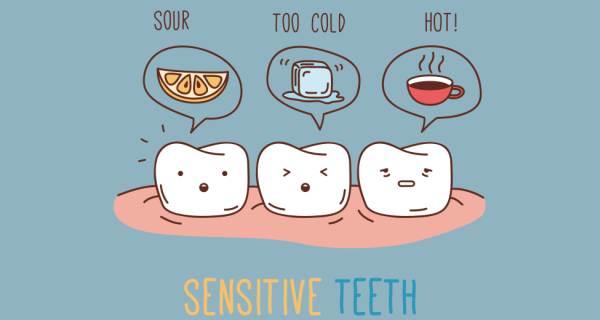
Tooth sensitivity is also called dentin hypersensitivity. It is a sharp, short pain triggered by hot, cold, sweet, sour, or even cold air.
Your teeth have an outer protective layer called enamel. Beneath that is a softer layer called dentin. Dentin contains tiny tubes called dentinal tubules that connect directly to the tooth’s nerve.
When enamel wears away or gums pull back from the tooth, those tubules become exposed. Temperature, pressure, or acid travels through them and reaches the nerve. That is the sharp pain you feel.
Sensitivity often builds up slowly over time without you noticing. Then one day a tipping point is reached — enough enamel has worn away or gums have receded enough — and the pain suddenly kicks in.
It feels sudden. But the process usually started weeks, months, or even years before.
This is why identifying the cause quickly matters. The sooner you act, the easier it is to treat.
Acidic foods and drinks slowly wear away tooth enamel over time. Sodas, citrus fruits, sports drinks, tomatoes, coffee, and wine are all common culprits.
Once enamel erodes enough to expose the dentin layer beneath, sensitivity follows. Many people do not notice the gradual erosion until the pain starts suddenly one day.
Enamel does not grow back once it is gone. That is why prevention and early action are so important.
Brushing your teeth with too much force is one of the most common and overlooked causes of sudden sensitivity.
Hard scrubbing wears down enamel over time and pushes gums back from the tooth. Once the root is exposed — which has no enamel protection at all — sensitivity follows quickly.
Using a hard-bristled toothbrush makes this worse. A soft-bristled brush used in gentle circular motions is the correct approach every dentist recommends.
Gum recession means your gums have pulled back or away from your teeth. This exposes the roots of the teeth, which have no enamel to protect them.
Roots are much more vulnerable to temperature and pressure than the crown of the tooth. Even mild triggers can cause significant pain once roots are exposed.
Gum recession can result from gum disease, aggressive brushing, aging, or hormonal changes. It cannot be reversed on its own, but it can be treated and stopped from getting worse.
Many people grind or clench their teeth at night without knowing it. This is called bruxism, and it is a very common cause of why are my teeth sensitive all of a sudden.
Grinding puts enormous pressure on tooth enamel. Over time it wears enamel thin and can create tiny cracks. Once the sensitive dentin is exposed, temperature and pressure reach the nerve easily.
Stress and anxiety are the leading triggers of nighttime grinding. A dentist-fitted night guard can protect your teeth while you sleep.
A cavity does not always hurt immediately. Early tooth decay can sit quietly on the surface or between teeth without causing noticeable pain.
Once the decay reaches deeper layers of the tooth and approaches the nerve, it causes sharp, sudden sensitivity to cold, sweets, and pressure. The sensitivity often feels like it came from nowhere — but the cavity was developing long before.
Early treatment with a filling prevents the decay from reaching the nerve. Left untreated, it can become a full infection requiring a root canal.
A cracked tooth is one of the most commonly missed causes of sudden tooth sensitivity. The crack may be so small it is invisible to the eye but large enough to let temperature and bacteria reach the nerve.
Cracks can come from biting something hard, an old filling breaking down, teeth grinding, or even a sports injury. The pain from a cracked tooth often comes and goes, which makes it confusing.
X-rays and a dental exam are usually needed to confirm a cracked tooth. Treatment depends on the depth and location of the crack.
Whitening strips, gels, and trays are among the most common triggers people experience when they ask why are my teeth sensitive all of a sudden.
The active ingredients in whitening products — hydrogen peroxide and carbamide peroxide — temporarily dehydrate teeth and penetrate enamel to lift stains. This process irritates the dentinal tubules and causes sensitivity.
This type of sensitivity is usually temporary and resolves within days. However, overusing whitening products can cause longer-lasting damage to enamel.
Having a filling, crown, or cleaning can cause temporary tooth sensitivity that lasts days or even a few weeks.
Dental procedures involve tools and materials that touch the tooth’s nerve endings directly. The tooth needs time to settle. This is completely normal and usually resolves on its own.
If sensitivity after dental work is worsening rather than improving after two weeks, contact your dentist. A high bite (filling placed too high) or microleakage around a crown can cause ongoing discomfort.
Gum disease is another major cause behind sudden tooth sensitivity. In its early stage, called gingivitis, gums become inflamed, swollen, and may bleed when you brush.
As gum disease progresses, gums pull away from teeth and expose the roots. Bacteria and plaque build up along the gumline and attack both the teeth and the surrounding bone.
Gum disease is often painless in early stages, which is why the sensitivity feels sudden when it starts. Regular dental checkups are the best way to catch it early.
This one surprises many people. A sinus infection can cause what feels like tooth sensitivity or a toothache — even when your teeth are perfectly healthy.
The roots of your upper back teeth sit very close to your sinuses. When sinuses become inflamed and pressurized during an infection, that pressure compresses the nerve endings in your teeth. The result feels exactly like a toothache or sudden sensitivity.
If your sensitivity is in the upper teeth and you also have congestion, facial pressure, or a recent cold, sinuses may be the cause.
Acid reflux — also known as gastroesophageal reflux disease or GERD — sends stomach acid back up through the esophagus and into the mouth.
Stomach acid is highly corrosive and can erode tooth enamel from the inside surfaces of the teeth. Many GERD patients notice sensitivity on the inner surfaces of their front teeth before they even realize acid is reaching their mouth.
Managing GERD through diet, medication, and lifestyle changes directly protects your teeth from further enamel damage.
Hormonal shifts during pregnancy, menopause, or menstrual cycles can affect gum tissue and increase sensitivity to temperature and pressure.
Pregnancy gingivitis is a real and common condition. Rising hormone levels make gums more reactive to plaque and bacteria, leading to inflammation and sensitivity.
If sensitivity coincides with hormonal changes in your life, mention this to your dentist. It helps narrow down the cause and shape the treatment plan.
When a patient asks why are my teeth sensitive all of a sudden, the answer almost always comes back to dentin.
Dentin is the yellowish inner layer of your tooth, just beneath enamel. It contains thousands of microscopic tubes called dentinal tubules. Each tubule connects to the pulp — the living center of the tooth where the nerve lives.
When enamel or cementum (the covering of the root) is damaged or missing, these tubules are exposed. Any change in temperature, pressure, or chemistry travels through the tubule fluid and triggers the nerve. That is the sharp pain you feel.
The hydrodynamic theory is the most accepted explanation for why this happens. Fluid movement inside the dentinal tubules stimulates the nerve ending. Hot food expands the fluid. Cold food contracts it. Both movements trigger pain signals.
| Trigger | Why It Causes Pain | Common Location |
|---|---|---|
| Cold drinks or food | Contracts fluid in dentinal tubules | All teeth |
| Hot drinks or food | Expands fluid in dentinal tubules | All teeth |
| Sweet foods | Osmotic change pulls fluid through tubules | Front and back teeth |
| Sour or acidic foods | Directly irritates exposed dentin | All teeth |
| Cold air | Temperature change reaches exposed dentin | Front teeth |
| Brushing or flossing | Physical pressure on exposed root surface | Gumline area |
| Biting down | Pressure transmitted to nerve via crack or decay | Specific tooth |
Figuring out why are my teeth sensitive all of a sudden starts with paying attention to patterns.
Ask yourself these questions. The answers help narrow the cause quickly.
Is the sensitivity in one tooth or multiple teeth? One tooth suggests a crack, cavity, or failed filling. Multiple teeth suggest enamel erosion, grinding, or acidic diet.
Is it triggered by cold, hot, sweet, or pressure? Cold is most commonly enamel erosion or gum recession. Pressure suggests a crack or cavity. Sweetness alone points toward early decay.
Did it start right after a dental procedure? That points to post-procedure sensitivity, which usually resolves in two to four weeks.
Is there jaw soreness or headache in the morning? This points to nighttime grinding.
Do you have a stuffy nose or sinus pressure? That points to sinus infection as the cause.
Desensitizing Toothpaste
This is the first line of defense. Desensitizing toothpastes contain active ingredients like potassium nitrate or stannous fluoride. These work by blocking the dentinal tubules or calming the nerve inside the tooth.
Use it every time you brush. It can take two to four weeks of consistent use before you notice significant relief. Do not switch brands frequently — give it time to work.
Fluoride Mouthwash
A fluoride rinse used daily adds an extra layer of enamel protection. It strengthens weakened enamel and helps reduce sensitivity triggers over time.
Use it at a different time than brushing for maximum benefit — such as after lunch or before bed.
Soft-Bristled Toothbrush
Switching from a medium or hard brush to a soft-bristled toothbrush is one of the most impactful changes you can make.
Brush in gentle circular motions rather than scrubbing side to side. This protects both enamel and gum tissue from further wear.
Night Guard for Grinding
If grinding is suspected, an over-the-counter night guard offers basic protection while you wait for a dental appointment. A custom-fitted guard from your dentist provides far better protection and comfort.
Dietary Changes
Reducing acidic foods and drinks protects remaining enamel. Rinse your mouth with water after consuming acidic items. Wait at least 30 minutes before brushing after eating acidic food — brushing immediately can spread the acid and worsen erosion.
Fluoride Varnish
A dentist can apply a concentrated fluoride varnish directly to sensitive areas. This strengthens enamel and provides relief faster than over-the-counter fluoride products.
Dental Bonding
For exposed roots or areas where enamel has been lost, a dentist can apply a tooth-colored bonding resin over the sensitive surface. This seals off the dentinal tubules from triggers.
Gum Graft Surgery
When gum recession is significant and causing severe sensitivity, a gum graft may be recommended. Tissue from the roof of the mouth is used to cover exposed roots, restoring both protection and appearance.
Root Canal Therapy
In severe cases where sensitivity comes from an infected or irreversibly damaged nerve, a root canal removes the nerve tissue inside the tooth. After a root canal, the tooth will no longer feel sensitivity because the nerve is gone.
Sealants and Desensitizing Agents
Dentists can also apply desensitizing agents like silver diamine fluoride or dental sealants directly to hypersensitive areas. These seal the tubules physically and provide immediate relief.
| Treatment | Best For | Cost Level | Done At |
|---|---|---|---|
| Desensitizing toothpaste | Mild to moderate sensitivity | Low | Home |
| Fluoride mouthwash | Enamel protection, mild sensitivity | Low | Home |
| Night guard (OTC) | Mild grinding | Low-Medium | Home |
| Fluoride varnish | Exposed dentin, general sensitivity | Medium | Dentist |
| Dental bonding | Exposed roots, enamel loss | Medium | Dentist |
| Custom night guard | Moderate to severe grinding | Medium | Dentist |
| Gum graft | Severe gum recession | High | Dentist/Specialist |
| Root canal | Infected or dying nerve | High | Dentist |
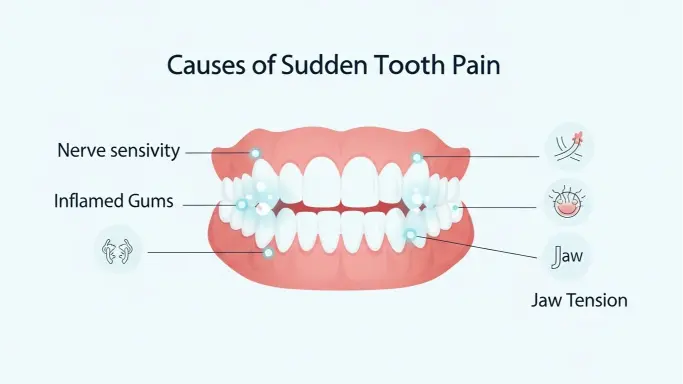
Prevention is always better than treatment. Once enamel is gone it cannot grow back. Once gums have receded significantly, they need surgery to repair.
Here is what you can do every day to protect your teeth.
Brush Correctly
Use a soft-bristled toothbrush. Brush for two minutes twice a day using gentle circular motions. Never scrub. Never press hard. Think of it as massaging your teeth, not scrubbing them.
Manage Your Diet
Limit sodas, citrus juices, sports drinks, and vinegar-based foods. Eat them with meals rather than sipping throughout the day. Rinse with water afterward.
Address Acid Reflux
If you have GERD, work with your doctor to manage it. Uncontrolled acid reflux is one of the most damaging things for tooth enamel because it attacks from the inside.
Manage Stress
Stress drives teeth grinding. Exercise, meditation, adequate sleep, and stress counseling all reduce grinding habits and protect enamel.
Get Regular Dental Checkups
Seeing your dentist every six months allows early detection of enamel wear, gum recession, cavities, and cracks before they become painful. Early problems are almost always cheaper and easier to treat.
Use Fluoride Products
Fluoride strengthens enamel and helps remineralize early erosion. Use a fluoride toothpaste and consider a fluoride mouthwash as a daily supplement.
Some types of tooth sensitivity are emergencies. Do not wait if you experience any of the following.
Pain that is severe and constant rather than sharp and brief suggests infection or nerve damage. A deep ache in the tooth that lasts more than a few minutes after the trigger is gone is a red flag.
Sensitivity that is getting rapidly worse over days rather than staying stable needs prompt evaluation. Swelling in the gum near the sensitive tooth points to an abscess.
A broken or visibly cracked tooth needs same-day dental care. Sensitivity combined with fever, swollen lymph nodes, or facial swelling is a dental emergency.
| Type of Sensitivity | Duration of Pain | Action |
|---|---|---|
| Sharp, brief pain on contact | Less than 30 seconds | Monitor, try home treatment |
| Lingering pain after trigger | 1–5 minutes | See dentist soon |
| Constant dull ache | Ongoing | See dentist urgently |
| Pain waking you at night | Ongoing | Same-day dental care |
| Pain with facial swelling or fever | Ongoing | Emergency care immediately |
Front teeth often become sensitive due to acidic diet eroding the enamel on the outer surface, whitening products, or GERD attacking the inner surface.
They are also the most exposed to cold air, which can trigger sensitivity when gums have receded or enamel has worn thin.
Back teeth are the workhorses of chewing. They take the most pressure from grinding. They are also closest to the sinuses.
Sudden sensitivity in back teeth often points to grinding, a cracked molar, a failing old filling, or sinus pressure.
Bottom front teeth are the first to suffer from bruxism because they make direct contact with upper teeth during grinding.
Bottom back teeth often develop cavities between the teeth that cause sudden sensitivity. Gum recession around lower teeth is also common in adults over 30.
Eating the wrong foods when you already have sensitive teeth makes the pain worse and delays recovery. Here is what to avoid and what to choose instead.
| Foods/Drinks to Avoid | Why They Cause Pain | Better Alternatives |
|---|---|---|
| Ice cold water or ice cream | Extreme cold reaches exposed dentin | Room temperature water |
| Hot coffee or tea | Extreme heat irritates exposed nerve | Lukewarm drinks |
| Citrus fruits and juices | High acid erodes already weak enamel | Bananas, melons |
| Soda and sports drinks | Acidic and sugary, double damage | Plain water |
| Hard candy or ice | Physical pressure can crack tooth | Soft foods |
| Vinegar-based foods | Acid directly erodes enamel | Mild-flavored alternatives |
| Very sweet snacks | Osmotic pull irritates exposed dentin | Low-sugar options |
Bad oral hygiene is not always to blame for sudden sensitivity. In fact, some sensitive teeth happen in people who brush too much, too hard, or too often.
Good oral hygiene means brushing twice daily, flossing once daily, and visiting your dentist regularly. It does not mean brushing after every meal with force, using whitening products daily, or rinsing with harsh mouthwashes.
Alcohol-based mouthwashes can irritate already sensitive teeth. If you use mouthwash, choose an alcohol-free formula designed for sensitive teeth.
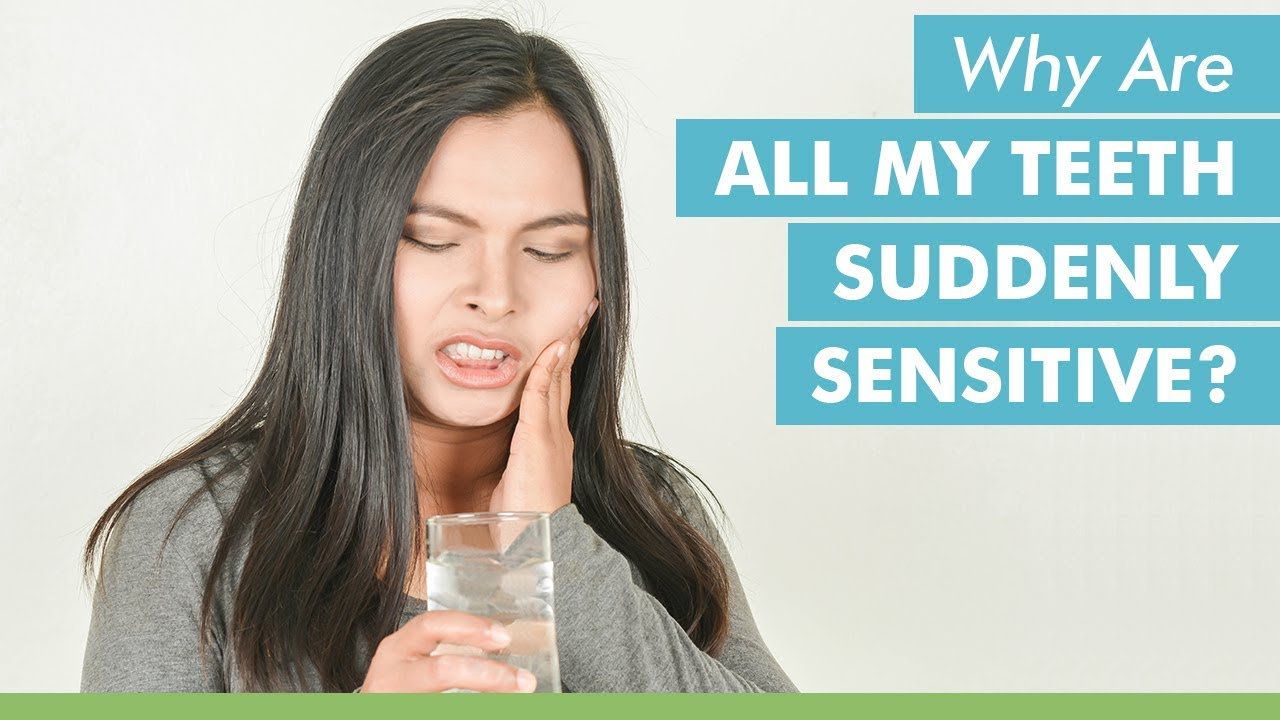
Sometimes yes — and sometimes no. It depends entirely on the cause.
Sensitivity after a whitening treatment or recent dental procedure often resolves on its own within days to weeks. Sensitivity from a sinus infection disappears once the infection clears.
But sensitivity caused by enamel erosion, gum recession, tooth decay, or a cracked tooth will not go away on its own. It will stay the same or get worse without treatment.
Never assume sensitivity will just disappear. If it lasts more than two to three weeks or is getting worse, a dental visit is necessary.
Good hygiene does not protect against causes like acid reflux, grinding, sinus pressure, aging gums, or enamel erosion from diet. Visit your dentist to identify the exact cause.
Yes. Cold air can trigger sensitivity if enamel is thin or gums have receded. Breathing through your mouth in winter exposes dentin directly to the cold.
It can be. Cavities cause sensitivity when decay reaches the dentin layer close to the nerve. If sensitivity is localized to one tooth, decay is high on the list to check.
It depends on the cause. Whitening sensitivity lasts days. Post-procedure sensitivity lasts two to four weeks. Sensitivity from erosion or recession is permanent without treatment.
Indirectly yes. Stress causes teeth grinding (bruxism), which wears down enamel and exposes dentin. Managing stress helps protect teeth from grinding damage.
Apply desensitizing toothpaste directly to the sensitive spot and leave it on without rinsing. Avoid triggers like cold and acid while symptoms are active.
Sometimes. Sensitivity can be harmless (whitening) or serious (cracked tooth, abscess, nerve damage). Any sensitivity lasting more than two weeks should be evaluated by a dentist.
Yes. Whitening toothpastes contain abrasives that can further wear enamel. Switch to a toothpaste specifically labeled for sensitive teeth while symptoms are present.
Yes, over time. Lemon juice is highly acidic and slowly erodes enamel. Daily lemon water is a common dietary cause of gradually worsening sensitivity that suddenly becomes noticeable.
No. Skipping brushing worsens plaque and gum disease, which increases sensitivity. Instead, switch to a soft-bristled brush, a sensitive toothpaste, and gentle technique.
Why are my teeth sensitive all of a sudden — the answer is almost never a mystery once you know what to look for. From enamel erosion and gum recession to grinding, cavities, whitening products, and even sinus infections, the causes are well understood and in most cases very treatable.
The key is not to ignore it. Sensitivity is your tooth sending you a signal that something needs attention. The earlier you act, the simpler the treatment tends to be. Start with a desensitizing toothpaste, switch to a soft brush, and reduce acidic foods. These simple steps bring relief for many people within weeks.
But if sensitivity is worsening, localized to one tooth, or comes with swelling or constant pain — see your dentist without delay. In 2026, with the range of professional treatments available, there is no reason to live with tooth sensitivity when solutions are within reach. Your teeth are worth protecting. Act today.