
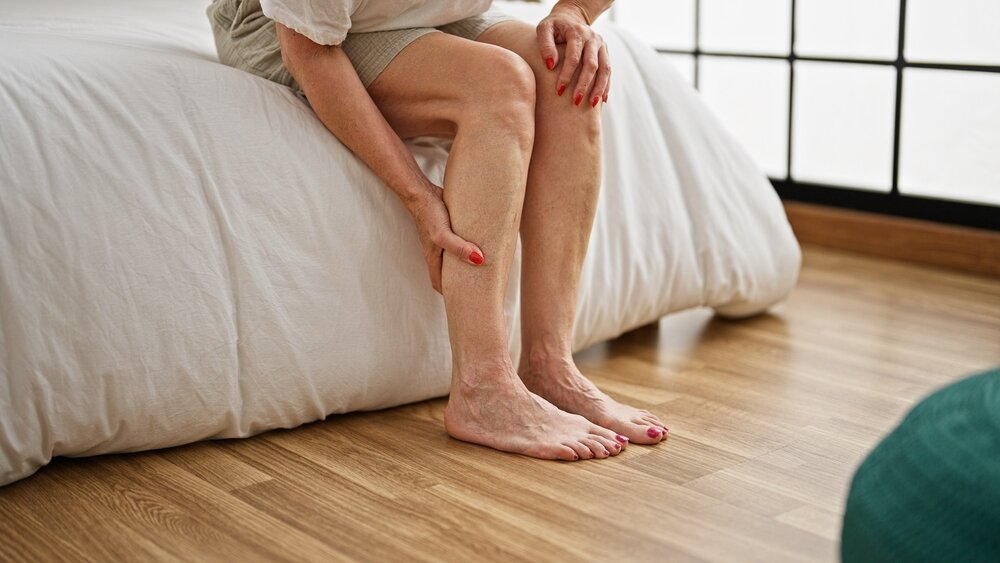
Why do my legs feel heavy? If you have ever ended a long day feeling like your legs are made of concrete, you are not alone. Millions of people experience this dragging, weighted sensation in their lower limbs every single day.
The feeling can range from mild tiredness after exercise to persistent heaviness that disrupts sleep, work, and daily movement. Heavy legs are not always just about fatigue.
They can signal real underlying conditions related to circulation, veins, nerves, or overall health.
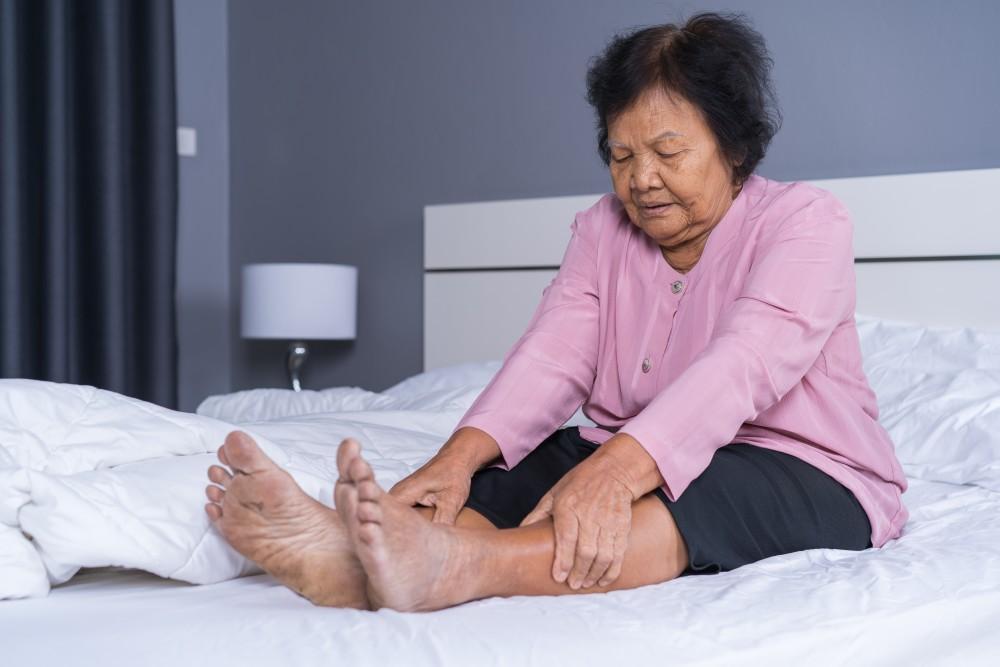
Heavy legs is a term used to describe a sensation of weight, stiffness, fatigue, or sluggishness in the lower limbs. People often describe it as dragging, tired, achy, or like walking through sand.
The feeling can appear at the end of a long workday, after intense exercise, after long periods of sitting, or even first thing in the morning. When it is persistent and recurring, it usually points to an underlying cause worth investigating.
Understanding what your heavy legs are telling you is the first step toward finding the right relief.
There are many reasons your legs might feel heavy. Some are lifestyle-related and easy to fix. Others involve medical conditions that require professional attention.
Chronic venous insufficiency is one of the most common causes of persistently heavy legs. It occurs when the one-way valves inside the leg veins weaken and stop functioning properly.
When these valves fail, blood cannot travel efficiently back up to the heart. It pools in the lower legs, increasing internal vein pressure and creating that heavy, aching, end-of-day sensation.
CVI often worsens as the day goes on and typically improves when the legs are elevated. If left untreated, it can progress to varicose veins, swelling, skin changes, and even ulcers.
Varicose veins are enlarged, twisted, bulging veins that form when vein walls lose their elasticity. They are very common, especially in people who stand or sit for long periods.
Beyond their visible appearance, varicose veins can cause significant leg heaviness, throbbing, cramping, and fatigue. The pressure from pooled blood creates a dull, persistent ache.
Symptoms often worsen in hot weather and at the end of the day, and improve with leg elevation or compression therapy.
Peripheral artery disease occurs when fatty plaque builds up inside the arteries, narrowing them and reducing blood flow to the legs. The National Heart, Lung, and Blood Institute estimates more than 8 million Americans over age 40 have PAD.
Without enough blood circulating, the legs feel tired, crampy, and heavy — especially during physical activity like walking or climbing stairs.
Unlike venous causes, PAD-related heaviness typically improves with rest rather than elevation. This distinction is an important diagnostic clue.
DVT is a blood clot that forms inside a deep vein in the leg. It can cause sudden, significant heaviness, tightness, and pain — usually in one leg only.
DVT is a medical emergency. If heaviness appears suddenly in one leg alongside warmth, redness, or swelling, seek urgent medical care immediately.
If a clot breaks loose and travels to the lungs, it becomes a pulmonary embolism — a life-threatening condition requiring emergency treatment.
Edema is the medical term for abnormal fluid buildup in the body’s tissues. In the legs, it causes swelling and a heavy, uncomfortable sensation.
Edema can result from prolonged sitting or standing, heat, hormonal changes, pregnancy, kidney disease, liver disease, or heart conditions. Even certain medications, including blood pressure drugs, antidepressants, and steroids, can cause it.
Lymphedema is a specific type of edema where the lymphatic system is blocked, causing fluid to pool in the legs and arms.
Heavy legs are extremely common among athletes and runners who train too hard without giving their muscles adequate recovery time. This is known as overtraining syndrome.
When muscles are pushed beyond their capacity day after day, they do not have time to repair themselves. The result is sluggish, weak, heavy-feeling legs that perform poorly.
Rest, hydration, and proper recovery are the primary fixes for exercise-related leg heaviness.
Restless leg syndrome causes an irresistible urge to move the legs, often accompanied by a creeping, tingling, or heavy pulling sensation. Symptoms are typically worse at night.
RLS is linked to dopamine imbalances in the brain and is associated with iron deficiency, pregnancy, and certain medications. It has also been connected to chronic venous insufficiency in many patients.
Moving the legs temporarily relieves the discomfort, but it returns almost immediately after stopping.
When the body lacks sufficient fluids, muscles cannot function optimally. Dehydration affects blood circulation, nutrient transport to muscle tissue, and electrolyte balance.
The result can be heavy, cramping, fatigued legs that feel sluggish even without strenuous activity. Drinking at least 8 glasses of water per day is a basic but important starting point.
Coffee, alcohol, and high-sodium foods all accelerate dehydration and can worsen leg heaviness.
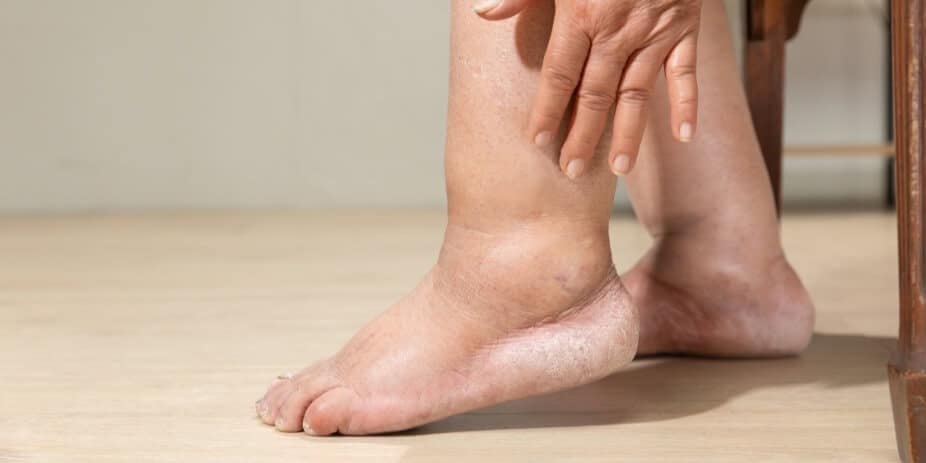
When nerves in the spine or legs become compressed or damaged, the signals controlling muscle movement are disrupted. This can cause legs to feel heavy, weak, numb, or as if they might give out.
Conditions like sciatica, herniated discs, and diabetic peripheral neuropathy are common causes. If heaviness is accompanied by numbness, tingling, or balance problems, a neurological evaluation is needed.
Hormonal fluctuations during pregnancy, menopause, or the menstrual cycle can cause veins to dilate and reduce their efficiency in returning blood to the heart.
Pregnancy in particular dramatically increases the risk of heavy legs because of increased blood volume, the growing uterus pressing on pelvic veins, and hormonal changes that relax vein walls.
Many women notice a significant improvement after delivery, though some develop permanent vein issues.
Lipedema is a chronic condition involving an abnormal buildup of fat tissue, typically in the legs and sometimes the arms. It is far more common in women and is often confused with simple obesity or lymphedema.
The fat deposits in lipedema are painful and do not respond to diet or exercise the way normal fat does. Affected legs feel consistently heavy, tender, and disproportionately large compared to the rest of the body.
One of the most common and overlooked causes of heavy legs is simply not moving enough. When you sit or stand in one position for hours, blood circulation in the legs slows dramatically.
Gravity pulls blood toward the lower extremities, and without the pumping action of muscle movement, it pools. The result is that familiar end-of-workday heaviness that most desk workers know well.
Even short movement breaks every hour can make a significant difference in how the legs feel throughout the day.
| Cause | Main Mechanism | Who It Affects Most |
|---|---|---|
| Chronic Venous Insufficiency | Weak vein valves, blood pooling | Adults over 40, those who stand all day |
| Varicose Veins | Enlarged, weakened veins | Women, pregnant individuals, workers who stand |
| Peripheral Artery Disease | Arterial plaque, reduced blood flow | Smokers, diabetics, adults over 50 |
| Deep Vein Thrombosis | Blood clot in deep vein | Post-surgery patients, long-distance travelers |
| Edema | Fluid retention in tissue | Pregnant women, those with heart or kidney disease |
| Overtraining Syndrome | Muscle fatigue without recovery | Athletes, runners, cyclists |
| Restless Leg Syndrome | Dopamine imbalance, nerve signals | Adults, pregnant women, iron-deficient individuals |
| Dehydration | Low fluid and electrolyte levels | Anyone with low water intake |
| Nerve Compression | Interrupted nerve signals to muscles | Diabetics, those with spinal disc problems |
| Lipedema | Abnormal fat tissue accumulation | Primarily women |
| Sedentary Lifestyle | Blood pooling from inactivity | Office workers, frequent travelers |
Heavy legs rarely appear alone. The accompanying symptoms often provide important clues about the underlying cause.
Common symptoms that appear alongside leg heaviness include aching or throbbing pain, ankle swelling, visible varicose or spider veins, skin discoloration or itchiness around the lower leg, nighttime leg cramps, a feeling of tightness, and slow-healing sores near the ankles.
If heaviness appears with sudden swelling in one leg, warmth, redness, chest pain, or shortness of breath, seek emergency care immediately as these are warning signs of DVT or pulmonary embolism.
Many cases of heavy legs can be significantly improved with simple at-home strategies. These methods work best for lifestyle-related causes and mild venous issues.
Raising the legs above heart level for 15 to 20 minutes allows gravity to assist blood flow back toward the heart. This reduces pressure in the lower veins and relieves swelling and heaviness rapidly.
A reclining chair, stack of pillows, or wall elevation technique all work well. Making this a daily routine, especially in the evening, produces consistent results.
Graduated compression socks or stockings apply gentle, graduated pressure from the ankle upward. This supports the veins in moving blood efficiently and prevents pooling.
They are widely recommended for people with venous insufficiency, varicose veins, jobs that require prolonged standing or sitting, long flights, and pregnancy.
Always check with a healthcare provider before using compression stockings if you have PAD, as increased pressure can worsen arterial conditions.
Drinking adequate water throughout the day keeps blood properly fluid and supports efficient circulation. Aim for at least 8 glasses per day and increase intake during hot weather or exercise.
Reducing sodium intake helps minimize fluid retention. Limiting alcohol and caffeine further supports healthy circulation and reduces the risk of dehydration-related leg heaviness.
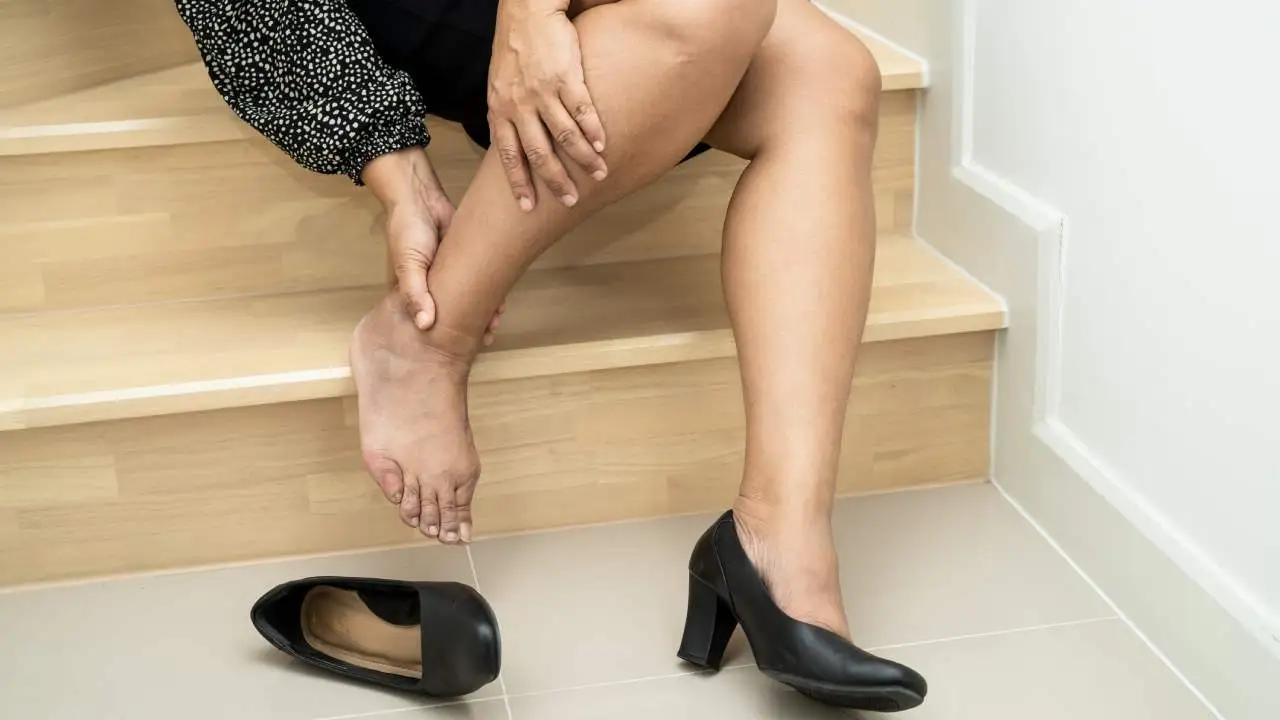
One of the most effective remedies is consistent movement. Calf raises, ankle circles, short walks, and even gentle stretching activate the muscle pump that assists vein circulation.
For desk workers, setting a timer to stand and walk for a few minutes every hour can dramatically reduce end-of-day leg heaviness. Calf muscles act as a natural pump to push venous blood upward.
Low-impact exercises like walking, swimming, and cycling are particularly effective for improving leg circulation without overstressing the veins.
For athletes experiencing heavy legs from overtraining, the solution is rest and structured recovery rather than pushing through. Adequate sleep, foam rolling, and proper nutrition all support muscle repair.
Alternating cold and warm water on the legs, or finishing a shower with a cool rinse from the feet upward, can stimulate blood circulation and reduce swelling.
Cold water causes veins to constrict, and warm water causes them to dilate. This contrast stimulates the circulatory system and many people find it provides immediate temporary relief.
Gentle massage from the feet upward toward the heart can encourage lymphatic drainage and venous return. This is especially helpful for edema and fluid retention.
Massage should always move in the direction of the heart — from ankles toward the thighs — to support proper fluid drainage. Professional lymphatic drainage massage is available for more severe cases.
| Method | Best For | How Long Before Relief |
|---|---|---|
| Leg elevation | Venous heaviness, edema | 15–20 minutes |
| Compression stockings | Venous insufficiency, standing jobs | Worn throughout the day |
| Hydration | Dehydration-related heaviness | 30–60 minutes |
| Walking / calf raises | Poor circulation from inactivity | 10–15 minutes |
| Cold shower rinse | General swelling and fatigue | Immediate |
| Leg massage | Lymphedema, fluid retention | 20–30 minutes |
| Rest and recovery | Overtraining syndrome | 24–72 hours |
When lifestyle measures are not enough, medical treatments can address the underlying cause directly.
Sclerotherapy involves injecting a solution into damaged veins, causing them to collapse, scar, and eventually fade. It is a minimally invasive outpatient procedure used for varicose and spider veins.
It is particularly effective for smaller surface veins and is one of the most commonly recommended treatments for vein-related leg heaviness.
EVLT uses laser energy delivered through a thin catheter to heat and seal the damaged vein from the inside. Blood is then rerouted through healthier veins nearby.
It is a fast, highly effective procedure with minimal downtime. Most patients return to light activities within a day or two.
Similar to EVLT but using radiofrequency energy instead of laser, RFA heats and closes the faulty vein from within. It is one of the most reliable treatments for chronic venous insufficiency.
The procedure is typically completed in under an hour as an outpatient and produces long-lasting results.
VenaSeal is a medical adhesive delivered through a small catheter to seal the diseased vein. It does not require tumescent anesthesia, making it a comfortable option for many patients.
PAD may be treated with medications to manage cholesterol, blood pressure, and blood clotting, as well as lifestyle changes and in more advanced cases, angioplasty or atherectomy to open blocked arteries.
DVT requires anticoagulant medications — blood thinners — to prevent the clot from growing and to reduce the risk of pulmonary embolism.
If restless leg syndrome is linked to iron deficiency, iron supplementation is often prescribed. Anti-seizure medications have also been FDA-approved for treating RLS when it is severe and chronic.
Most occasional leg heaviness is not an emergency. However, certain signs indicate it is time to seek professional evaluation without delay.
You should schedule a medical appointment if you notice persistent leg heaviness that does not improve with rest, heaviness that worsens progressively over weeks, visible varicose veins combined with aching or swelling, skin discoloration, itching, or dryness around the lower leg, nighttime leg cramps that disturb sleep, or heaviness that interferes with daily work or movement.
Seek emergency care immediately if heaviness appears suddenly in one leg with swelling, redness, and warmth, or if any leg symptoms occur alongside chest pain or difficulty breathing.
Certain factors increase your likelihood of developing heavy legs. Knowing your risk level helps you take preventive action earlier.
Being female, particularly during pregnancy or hormonal changes, increases vein-related risk significantly. A family history of varicose veins or venous insufficiency is a strong predictor.
Occupations requiring prolonged standing — nurses, teachers, retail workers, factory staff — place constant strain on leg veins. Office workers who sit all day face similar circulation challenges.
Obesity, smoking, older age, and a sedentary lifestyle all contribute to vein wall weakening and reduced circulation over time.
These two sensations are often confused but have different implications.
Heavy legs feel weighed down, sluggish, or as if extra effort is needed to move them. The actual muscle strength is still present — the legs just feel burdened.
Weak legs refer to a genuine loss of muscle strength or the inability to bear weight properly. Climbing stairs, rising from a chair, or walking becomes physically difficult due to reduced muscle function.
Some people experience both simultaneously. True weakness alongside heaviness warrants prompt neurological or vascular evaluation, as it may indicate nerve compression, PAD, or more serious systemic conditions.
Prevention is far more effective than treatment. Simple daily habits can protect your veins and circulation for the long term.
Stay active every day with at least 30 minutes of moderate exercise. Walking is one of the most effective vein-health activities available because it activates the calf muscle pump continuously.
Avoid sitting or standing in one position for more than an hour at a time. Take movement breaks, shift your weight regularly, and use footrests or anti-fatigue mats if your job requires prolonged standing.
Maintain a healthy weight to reduce pressure on your leg veins. Eat a balanced diet rich in fiber, antioxidants, and anti-inflammatory foods that support vascular health.
Avoid tight clothing around the waist or thighs that can restrict blood flow. Sleep with your legs slightly elevated if you notice morning heaviness.
What you eat has a direct impact on circulation and vein health. Certain foods support strong veins while others can worsen heaviness and swelling.
Foods rich in flavonoids, such as berries, citrus fruits, dark chocolate, and green tea, help strengthen vein walls and improve circulation. Vitamin C and E both play a role in vascular integrity.
High-sodium diets promote water retention and worsen edema. Processed foods, fast food, and canned goods are common hidden sources of excess sodium.
Magnesium-rich foods like leafy greens, nuts, and seeds support healthy muscle function and can reduce nighttime cramping. Staying well-hydrated remains one of the simplest and most effective dietary strategies for leg health.
Prolonged sitting slows blood circulation and allows blood to pool in the lower legs due to gravity. Taking regular movement breaks and elevating your legs in the evening can provide quick relief.
Nighttime leg heaviness is a hallmark symptom of chronic venous insufficiency, where blood pools in the veins throughout the day. Elevating your legs for 15 to 20 minutes before sleep often reduces the discomfort significantly.
Morning heaviness can result from fluid redistribution during sleep or poor vein valve function. It may also indicate restless leg syndrome, which disrupts sleep and causes persistent discomfort through the night.
Yes. Dehydration reduces blood volume and impairs muscle function, causing legs to feel fatigued and heavy. Drinking adequate water throughout the day is one of the simplest and most effective remedies.
Heaviness during walking is a common symptom of peripheral artery disease, where narrowed arteries reduce oxygen delivery to leg muscles. Unlike venous causes, this type of heaviness improves with rest rather than elevation.
Heavy legs combined with significant swelling can sometimes indicate heart failure, where the heart does not pump blood efficiently enough. If you have known heart disease and notice worsening leg swelling, contact your doctor promptly.
Yes. Stress can cause muscle tension, disrupt sleep, and affect circulation, all of which contribute to a feeling of heaviness in the legs. Chronic stress also raises cortisol levels, which can promote fluid retention.
Compression socks apply graduated pressure from the ankle upward, which supports vein walls, reduces blood pooling, and assists venous return to the heart. They are one of the most evidence-backed tools for managing venous-related leg heaviness.
See a doctor if heaviness is persistent, worsening, or accompanied by swelling, skin changes, varicose veins, or nighttime cramps. Seek emergency care immediately if one leg suddenly becomes swollen, red, and warm, or if any chest pain occurs.
Yes. Excess body weight increases pressure on leg veins and reduces circulation efficiency. Even moderate weight loss can noticeably reduce venous pressure and the frequency of heavy leg episodes.
Why do my legs feel heavy? The answer depends on your individual health, lifestyle, and circulation. In many cases, leg heaviness is a direct signal from your body that blood is not flowing efficiently — whether due to weakened vein valves, narrowed arteries, poor hydration, muscle fatigue, or more complex medical conditions.
The good news is that most causes of heavy legs are treatable, and many can be dramatically improved with consistent lifestyle changes like daily movement, hydration, leg elevation, and compression therapy.
When heaviness is persistent, worsening, or accompanied by swelling, skin changes, or sudden one-sided symptoms, professional evaluation is essential.
Early diagnosis leads to better outcomes and prevents minor vein issues from becoming serious conditions. Take your heavy legs seriously in 2026 — your circulation, comfort, and long-term vascular health depend on it.