
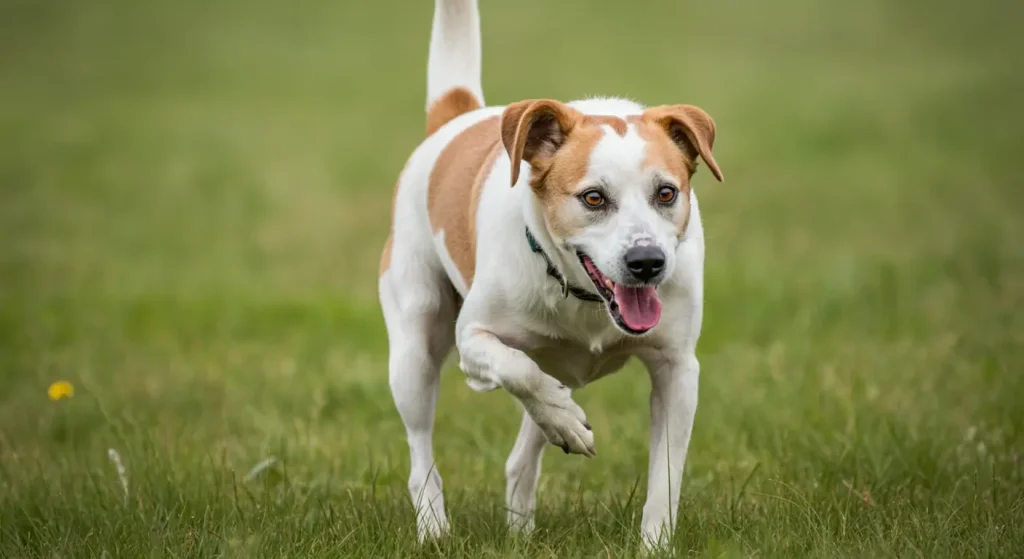
Why is my dog limping is one of the most urgent questions dog owners type into Google — and for good reason. A limping dog is almost always a dog in pain, even when they are still eating well or trying to play.
Limping can signal anything from a tiny thorn stuck in a paw pad to a serious ligament tear, bone fracture, or chronic joint disease.
Knowing the common causes, the warning signs that need emergency care, and exactly what to do next can make a real difference to your dog’s recovery and long-term health in 2026.
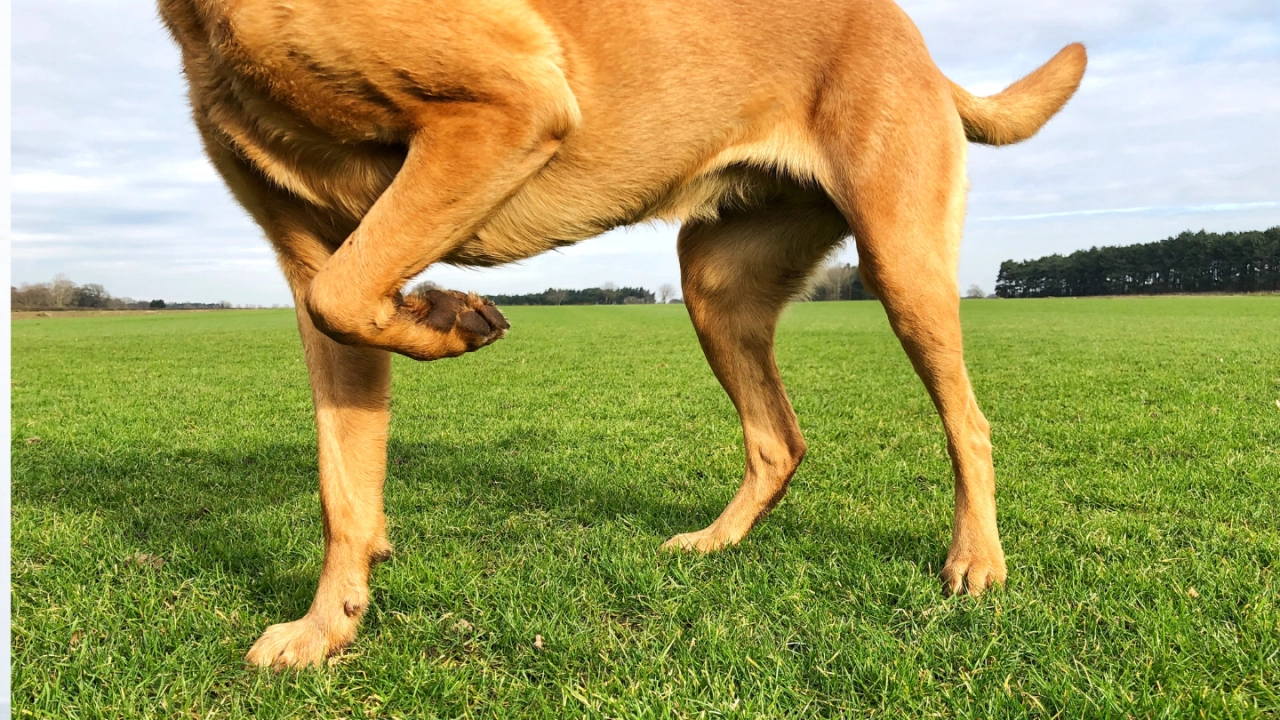
Before anything else, the most important thing to identify is whether your dog’s limp came on suddenly or gradually. Vets classify every limp into one of two categories, and this distinction changes everything about diagnosis and urgency.
Sudden onset limping appears quickly, often in minutes or hours. It is most commonly caused by an acute injury — a twisted joint, a broken nail, a thorn in the paw, a ligament tear, or a fracture from a fall or collision. These limps often need same-day or emergency veterinary attention depending on severity.
Gradual onset limping develops slowly over days, weeks, or months. Your dog may start slightly favoring a leg, and the limp worsens over time. This pattern usually points to a chronic condition like osteoarthritis, hip dysplasia, elbow dysplasia, or a tumor. Gradual limps still need veterinary care — they simply do not usually require an emergency visit.
The most common reason for sudden limping in dogs is something sharp in the paw. Glass, nails, thorns, plant awns, and sticks can all lodge between the toes or into the pad, causing immediate pain and limping.
Cuts, burns from hot pavement, scrapes, and bruising of the paw pads also cause sudden limping. One of the clearest signs of a paw injury is your dog constantly licking or chewing at the affected paw.
Check the paw first any time your dog starts limping suddenly after a walk or outdoor activity. Look carefully between each toe, under the pads, and at each nail. Remove any visible foreign body you can reach safely and clean the area with antibacterial soap.
A broken or torn toenail is extremely painful and one of the most overlooked causes of sudden dog limping. When a nail breaks deep enough to expose the sensitive quick inside, every step becomes agonizing.
Dogs with broken nails will often hold the affected paw up completely and refuse to let you touch it. The paw may show bleeding, swelling, or a nail hanging at an abnormal angle.
Never try to fully remove a broken nail at home without veterinary guidance. Control any bleeding with gentle pressure, restrict your dog’s movement, and have the nail properly treated by a vet to prevent infection.
Dogs strain and sprain muscles, tendons, and ligaments just like athletes do. Overexertion during play, jumping from height, making a sharp turn at speed, or landing awkwardly from a jump are all common causes.
Mild muscle strains often cause a limp that improves significantly with 24 to 48 hours of rest. The limp is usually weight-bearing — meaning the dog still touches the ground with the affected leg but favors it noticeably.
If a strain does not improve with rest within 48 hours, or if the limping is getting worse rather than better, a vet visit is needed to rule out more serious damage like a ligament tear or fracture.
CCL tears are one of the most common serious leg injuries in dogs and are equivalent to an ACL tear in humans. The CCL stabilizes the knee joint, and when it tears, the joint becomes unstable and extremely painful.
Dogs with a torn CCL often show sudden, severe back-leg limping, reluctance to bear any weight on the affected leg, and visible swelling around the knee. Certain breeds are at higher risk including Labrador Retrievers, Golden Retrievers, German Shepherds, Rottweilers, and Newfoundlands.
Most CCL tears require surgical repair for full recovery. Without surgery, the instability leads to chronic pain and accelerated arthritis in the knee joint. This is not a wait-and-see injury — vet assessment should happen as soon as possible.
Osteoarthritis is the most common cause of gradual-onset limping in middle-aged and older dogs. It affects at least one in four dogs and develops as cartilage between the joints breaks down over time, causing bone to grind on bone.
Dogs with arthritis typically limp more severely after rest — such as first thing in the morning — and improve slightly after they warm up with gentle movement. Cold weather consistently makes arthritis symptoms worse.
Early signs of arthritis include stiffness getting up from lying down, reluctance to climb stairs or jump into the car, and a noticeable slowing down during walks. Arthritis is manageable but not curable, making early diagnosis critical for long-term quality of life.
Hip dysplasia is a genetic condition in which the hip joint develops abnormally, causing the femoral head to fit loosely in the hip socket instead of snugly. This instability leads to progressive cartilage damage, inflammation, and arthritis over time.
It is most common in large and giant breeds including German Shepherds, Labrador Retrievers, Golden Retrievers, Rottweilers, Saint Bernards, and Great Danes. Affected dogs often show a characteristic bunny-hopping gait with the hind legs, reluctance to exercise, and visible muscle wasting around the hindquarters.
Hip dysplasia can appear as early as a few months of age or develop gradually in adult dogs. Treatment ranges from weight management, joint supplements, and anti-inflammatory medications to surgical correction in severe cases.
Patellar luxation is when the kneecap (patella) slips out of its normal groove and moves to the side of the knee. It causes a very recognizable symptom — the dog holds one back leg up for a few steps, then suddenly puts it down and continues walking as if nothing happened.
It is most common in small breeds like Pomeranians, Chihuahuas, Yorkshire Terriers, and Shih Tzus, though larger breeds can also be affected. Mild cases may need only monitoring and joint support, while severe cases require surgical correction to prevent chronic lameness and arthritis.
Elbow dysplasia refers to several developmental abnormalities of the elbow joint that cause pain, inflammation, and front-leg limping. It is particularly common in large-breed puppies and young adults, including Labrador Retrievers, Golden Retrievers, Bernese Mountain Dogs, and German Shepherds.
Affected dogs show a choppy or stiff front-leg gait, reluctance to extend the elbow fully, and swelling around the joint. The limp is often worse after exercise and improves with rest, but returns with activity.
Early diagnosis through X-ray or CT scan is important because surgical intervention at a young age leads to significantly better outcomes than waiting until arthritis is already established in the joint.
A broken bone or dislocated joint is one of the most obvious emergencies in dog limping. These injuries are usually caused by trauma — being hit by a car, a bad fall from height, rough play, or getting a leg caught in a fence.
Signs are dramatic and clear: the dog refuses to bear any weight on the affected limb, the leg may sit at an abnormal angle, swelling is rapid and significant, and the dog is in visible distress including whimpering, trembling, or aggression when the leg is approached.
Never attempt to splint or bandage a suspected fracture at home without veterinary instruction. Improper handling can worsen the injury. Transport your dog to an emergency vet immediately with minimal movement of the affected limb.
Lyme disease, caused by the bacterium Borrelia burgdorferi and transmitted through tick bites, is a major cause of unexplained limping in dogs. The hallmark sign of Lyme disease in dogs is shifting-leg lameness — the limp moves from one leg to another over days or weeks.
Other tick-borne diseases including ehrlichiosis and anaplasmosis can also cause joint pain and limping. These infections may not show other obvious symptoms in early stages, making them easy to miss without blood testing.
If your dog develops unexplained limping that shifts between legs, especially if you live in or have recently visited a tick-heavy area, ask your vet to include Lyme disease testing in the evaluation.
Ants, wasps, bees, and spiders can all cause painful stings or bites that make a paw too sensitive to walk on. Fire ant stings are especially common and produce intense, immediate pain and localized swelling.
Insect bites can be hard to spot under thick fur. Look carefully between the toes and on the paw pads if your dog suddenly starts limping and licking a paw after outdoor activity, especially in warm months.
Watch for signs of a more serious allergic reaction including facial swelling, hives, vomiting, difficulty breathing, or sudden collapse. These signs require emergency veterinary care immediately.
Large-breed puppies are particularly prone to painful bone conditions during their rapid growth phase. Panosteitis (sometimes called growing pains) causes episodes of shifting-leg lameness in young dogs between 5 and 18 months of age and often resolves on its own with pain management.
Hypertrophic osteodystrophy (HOD) is another developmental bone condition that causes fever, pain, and limping in the long bones of large-breed puppies. Osteochondritis dissecans (OCD) affects joint cartilage in growing dogs and can cause significant lameness in the shoulder, elbow, or hock.
Never assume a puppy’s limp is just growing pains without a vet examination. Some developmental bone conditions require specific management to prevent permanent joint damage.
Osteosarcoma (bone cancer) is one of the most serious causes of limping in dogs, particularly in large and giant breeds in middle to old age. It most commonly affects the leg bones near joints and causes progressive, severe pain.
The limping from bone cancer is usually gradual at first and worsens quickly. The affected area may feel warm, and a firm swelling may develop over the bone. Dogs with bone cancer often appear painful at night and may be reluctant to put any weight on the affected leg as the disease progresses.
Early diagnosis dramatically affects treatment options and outcomes. If your large-breed dog develops a progressively worsening limp with a firm, warm swelling near a joint or long bone, request X-rays as part of the vet workup.
Intervertebral disc disease (IVDD) affects the discs between the vertebrae in the spine. When a disc herniates or ruptures, it compresses the spinal cord or nerve roots, causing limping, weakness, or in severe cases, complete paralysis of the back legs.
IVDD is most common in breeds with long backs and short legs — Dachshunds, Basset Hounds, Cocker Spaniels, and Shih Tzus. Signs include sudden hind-leg weakness or limping, difficulty climbing stairs, arched back, pain when touched along the spine, and reluctance to move.
IVDD is a serious emergency when the dog is dragging its hind legs or cannot stand. Immediate veterinary care and often emergency surgery are needed to prevent permanent paralysis.
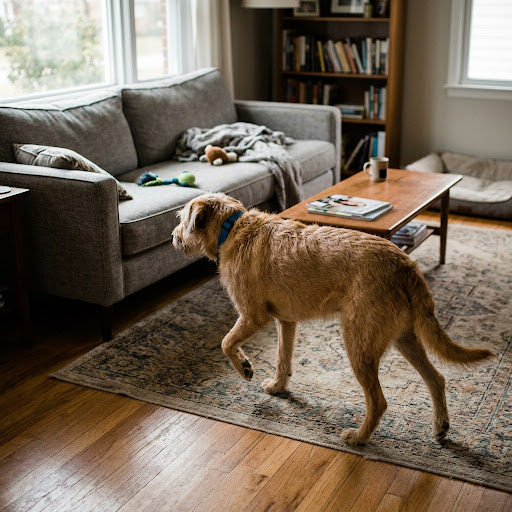
Not every limp is an emergency, but certain signs demand immediate veterinary attention. Do not wait for a regular appointment if your dog shows any of the following.
| Warning Sign | Urgency Level |
|---|---|
| Complete refusal to bear any weight on the leg | Emergency — go now |
| Visible bone, open wound, or profuse bleeding | Emergency — go now |
| Obvious deformity or leg at abnormal angle | Emergency — go now |
| Dog was hit by a car or fell from significant height | Emergency — go now |
| Limb dragging, dog cannot stand | Emergency — go now |
| Signs of shock: pale gums, rapid breathing, weakness | Emergency — go now |
| Severe, unrelenting pain — crying, trembling, aggression | Emergency — go now |
| Rapid, significant swelling of the limb or joint | Urgent — same day |
| Limp not improving after 24 – 48 hours of rest | Urgent — within 24 hours |
| Puppy limping for more than 24 hours | Urgent — same day |
| Shifting-leg lameness (different leg each day) | Vet appointment — soon |
| Gradual limp worsening over weeks | Vet appointment — within a few days |
It can help to have a clear mental framework for deciding how quickly to act when your dog starts limping.
Signs that can usually wait a few hours: A mild, gradual-onset limp that does not seem to cause much distress, your dog is still bearing some weight, eating normally, drinking, and behaving close to normal. Rest for 24 to 48 hours and monitor closely.
Signs that need a same-day vet call: The limp is sudden and severe, your dog is not putting any weight on the leg, there is visible swelling, or the limp is not improving after 24 hours of rest.
Signs of an immediate emergency: Visible bone, profuse bleeding, suspected fracture, the dog cannot stand, pale or white gums, or the limp followed a traumatic event like a car accident or significant fall.
Before calling your vet, a careful, gentle home examination can give useful information. Always proceed slowly and stop immediately if your dog shows signs of significant pain.
Start at the paw. Check between every toe for foreign objects, cuts, swelling, or redness. Examine each paw pad for lacerations or burns. Look at every nail for breaks, tears, or swelling around the nail base.
Work your way up the leg slowly, applying gentle pressure along the bone and around each joint. Note where your dog flinches, pulls away, or objects to being touched. That location is likely the source of pain.
Compare the affected leg to the opposite leg. Look for asymmetry in muscle mass, swelling, heat, or joint shape. Take a short video of your dog walking before the vet visit — dogs often walk better in the clinic due to the excitement of being somewhere new.
One of the most dangerous mistakes dog owners make is giving human pain medications to a limping dog. Drugs that are safe for people are frequently toxic and potentially fatal to dogs.
Never give ibuprofen (Advil, Nurofen), naproxen (Aleve), or acetaminophen (Paracetamol, Tylenol) to a dog under any circumstances. These cause severe gastrointestinal bleeding, kidney failure, and liver failure in dogs. Human NSAIDs are a leading cause of dog poisoning reported to veterinary emergency clinics every year.
Do not give aspirin without specific veterinary guidance either. Even low-dose aspirin can cause dangerous stomach ulcers in dogs and interacts badly with other medications your vet may need to prescribe.
When you bring your dog to the vet for limping, a systematic examination follows.
Your vet will start with a full history — when the limp started, whether it is sudden or gradual, which leg is affected, what makes it better or worse, any recent activity changes, and any other symptoms. This history is often more valuable than the physical exam alone.
The physical examination includes watching your dog walk to assess the gait pattern, manipulating each joint through its range of motion, palpating along bones, muscles, and ligaments, and checking reflexes and nerve function.
X-rays are ordered in most cases of significant or unexplained limping. Advanced cases may require blood work, a joint fluid analysis, a CT scan, or an MRI to fully evaluate soft tissue injuries, infections, or neurological involvement.
Treatment depends entirely on the underlying cause. Here is an overview of the most common treatment approaches.
| Cause | Primary Treatment |
|---|---|
| Minor paw injury or foreign body | Clean wound, remove object, rest |
| Muscle strain or sprain | Rest, restricted activity, NSAIDs |
| Broken nail | Veterinary nail removal, antibiotics if infected |
| Osteoarthritis | NSAIDs, joint supplements, weight management, physical therapy |
| Hip dysplasia | Weight management, supplements, NSAIDs, surgery in severe cases |
| CCL tear | Surgery (TPLO or extracapsular repair), rest, rehabilitation |
| Patellar luxation | Monitoring for mild cases, surgery for grades 3 – 4 |
| Fracture or dislocation | Splinting, surgery, extended rest |
| Lyme disease | Antibiotics (usually doxycycline for 4 weeks) |
| IVDD | Rest and anti-inflammatories for mild cases, surgery for severe cases |
| Bone cancer | Amputation, chemotherapy, palliative pain management |
| Panosteitis in puppies | Pain management, rest, resolves with age |
For many mild to moderate limps, the first and most important treatment is strict rest. Limiting your dog’s movement prevents further injury and allows the body to begin healing.
Use a leash for all bathroom breaks, even in a fenced yard. Keep your dog in a smaller area of the house to discourage running and jumping. Crate rest may be recommended by your vet for more serious injuries.
Veterinary NSAIDs like meloxicam (Metacam), carprofen (Rimadyl), and grapiprant (Galliprant) reduce both pain and inflammation safely in dogs. These are prescription medications and must be used under veterinary supervision.
For chronic pain conditions like arthritis, gabapentin and amantadine may be added to manage nerve pain and central sensitization. Opioid-based medications like buprenorphine are used for acute severe pain in a clinical setting.
Glucosamine and chondroitin sulfate supplements are widely recommended by vets for dogs with arthritis, hip dysplasia, and other joint conditions. They help support cartilage repair and reduce inflammation over time.
Omega-3 fatty acid supplements (fish oil) also have strong evidence for reducing joint inflammation. Look for veterinary-formulated products rather than human supplements, as the concentration and form can differ significantly.
Canine physical therapy — including hydrotherapy (underwater treadmill), therapeutic massage, passive range-of-motion exercises, and targeted strengthening exercises — plays a major role in recovery from both acute injuries and chronic conditions.
Hydrotherapy in particular allows dogs to exercise and strengthen muscles around injured joints without putting full body weight on the limb. It is especially valuable for post-surgical CCL recovery and managing arthritis long term.
Some causes of dog limping require surgical intervention for full recovery or to prevent permanent disability. CCL tears, severe patellar luxation, hip dysplasia in younger dogs, elbow dysplasia, and fractures are all conditions that frequently require surgery.
Modern veterinary orthopedic surgery achieves excellent outcomes when performed by a specialist. Post-surgical rehabilitation is equally important and dramatically affects how fully a dog returns to normal activity.
Certain breeds have documented predispositions to specific causes of limping. Understanding your dog’s breed risk helps with earlier recognition and prevention planning.
| Breed Group | Common Limping Cause |
|---|---|
| Large breeds (Labs, Goldens, Shepherds) | CCL tears, hip dysplasia, elbow dysplasia, osteosarcoma |
| Giant breeds (Great Danes, Saint Bernards) | Hip dysplasia, panosteitis, osteosarcoma |
| Small breeds (Pomeranians, Chihuahuas, Yorkies) | Patellar luxation, Legg-Calve-Perthes disease |
| Long-backed breeds (Dachshunds, Basset Hounds) | IVDD, spinal disc disease |
| Working / sporting breeds (Border Collies, Retrievers) | CCL injuries, shoulder OCD, muscle strains |
| All older dogs | Osteoarthritis, degenerative joint disease |
Not all limping is preventable, but smart management significantly reduces your dog’s risk of injury and chronic joint disease.
Maintain a healthy weight. Excess body weight places enormous mechanical stress on joints, ligaments, and tendons. Keeping your dog at a lean, healthy weight is the single most impactful thing you can do to protect joint health long term.
Exercise wisely. Regular, moderate, low-impact exercise is far better than sporadic intense activity. Avoid high-impact jumping and abrupt directional changes, particularly in large-breed puppies whose growth plates are still open.
Check paws regularly. After every walk in rough terrain, wooded areas, or urban environments, inspect all four paws carefully. Catching a small thorn or cut early prevents infection and a much bigger problem later.
Start joint supplements early. For breeds at high risk of hip dysplasia, elbow dysplasia, or arthritis, starting veterinary-formulated glucosamine and chondroitin supplements before symptoms appear is a proactive strategy most vets support.
Use tick prevention year-round. Lyme disease is preventable with consistent tick prevention. Year-round tick preventatives are especially important for dogs in wooded or high-grass environments.
Schedule regular vet checkups. Routine examinations allow your vet to detect early joint changes, muscle asymmetry, or gait abnormalities before they become serious problems. Annual or biannual X-rays of high-risk joints are worth discussing for predisposed breeds.
Sudden limping is most often caused by an acute injury — a foreign object in the paw, a broken nail, a muscle strain, a CCL tear, or a fracture. Check the paw first and call your vet if the limp does not improve with 15 to 30 minutes of rest.
Yes, any limp that lasts more than 24 to 48 hours, causes significant pain, or is accompanied by swelling, refusal to bear weight, or other symptoms needs veterinary evaluation. When in doubt, always call your vet for guidance.
Rarely. Limping in dogs is almost always a sign of pain or instability. Dogs are stoic and may not cry out even when in significant pain, so a limping dog should be assumed to be uncomfortable until a vet confirms otherwise.
Never give ibuprofen, naproxen, or acetaminophen to a dog. These human pain relievers are toxic to dogs and can cause life-threatening internal bleeding, kidney failure, or liver failure. Only use medications prescribed or approved by your vet.
Dogs naturally hide pain as a survival instinct. A dog that is limping silently is not necessarily experiencing mild pain — many dogs with serious injuries remain quiet. Behavior changes like reduced activity, reluctance to jump, or changes in appetite can be the only signs of significant pain.
Minor muscle strains, mild paw irritation, and insect stings often resolve within 24 to 48 hours of rest. However, limps caused by ligament tears, fractures, infections, or joint disease will not resolve on their own and will worsen without treatment.
Post-rest stiffness that improves with gentle movement is a classic sign of osteoarthritis. Joints become stiff during inactivity and loosen up once synovial fluid spreads through the joint after a few minutes of walking. This pattern should be evaluated by a vet.
Paw injuries and foreign objects are the most common cause of sudden limping. For gradual limping in older dogs, osteoarthritis is by far the most common cause, affecting at least one in four dogs.
A limp is serious if your dog refuses to bear any weight on the leg, there is visible swelling or deformity, the dog is in obvious distress, the limp followed trauma, or the limp has not improved after 24 to 48 hours of rest. These situations need same-day or emergency veterinary care.
Restrict all unnecessary walking and exercise until a vet has assessed the limp. Short, slow leash walks for bathroom breaks only are acceptable for mild limps, but avoid any running, jumping, or stair climbing until you understand what is causing the limping.
Why is my dog limping is a question that always deserves a careful, attentive answer. Limping is your dog’s only way of telling you something is wrong, and it covers an enormous range of causes — from a quick paw check that takes two minutes to fix, to serious conditions like CCL tears, hip dysplasia, or bone cancer that need prompt veterinary diagnosis and treatment.
The most important rules in 2026 remain the same: never give human pain medications to a limping dog, always check the paw first, rest your dog immediately, and call your vet if the limp does not improve within 24 to 48 hours or if any emergency warning signs are present.
With early diagnosis, the right treatment, and consistent joint health management, most dogs with limping issues go on to enjoy active, comfortable lives for years to come.