
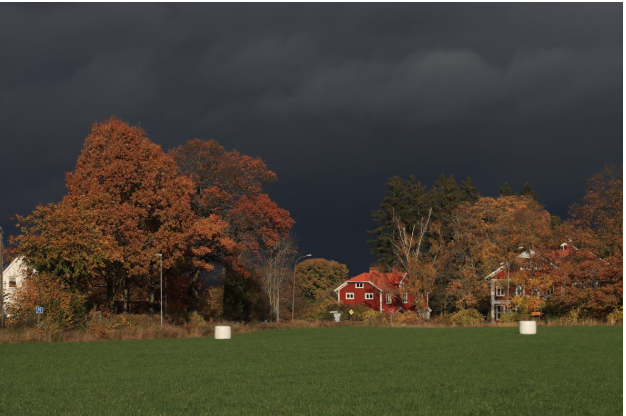
Storm seasons aren’t exactly subtle.
One minute a home looks dry and intact. The next there’s water dripping from the ceiling and the gutter is dangling from the fascia. There’s a sad truth that most homeowners take preventative measures only after something breaks.
It’s expensive.
Roofing repair and replacement costs in the U.S. topped out at $30.83 billion in 2024. Don’t be that guy.
Here’s the bright side — getting a home ready for wet and stormy seasons doesn’t have to be difficult. It just needs to be done before the storms come.
Unless installing a brand new roof…
YOU START WITH THE ROOF.
It’s a home’s only barrier against heavy rains, high winds, and hail. Once that barrier is compromised, everything else falls apart (literally). Water damage, mould build-up, ceiling collapse, structural decay.
Nearly 40% of U.S. homes have roofs in moderate to poor condition — meaning millions of households have inadequate protection waiting to leak come rain season.
Roof problems are the one thing homeowners tend to overlook…
Say a piece of shingle starts to curl up in September. The leak doesn’t get discovered until December. Taking the time to book a Roofing Repair in Olympia inspection now could mean avoiding that problem altogether. Let a trained re-roofing service fortify that first layer of protection before storm season officially begins.
Don’t wait until there’s water dripping in the living room.
Doing a little roof maintenance beforehand could prevent huge headaches later. Take a look at the roof from top to bottom and pinpoint any areas that look suspicious.
Take Note of:
If any of the above look off, take care of it now. Problems don’t disappear over winter.
Sidenote: Older roofs are more likely to suffer damage from wind and hail. Homes with roof installations older than 20 years should strongly consider having a re-roofing service take a look before storms hit.
Don’t forget about the siding either…
Sure, the roof takes the brunt of most wet and windy weather. But homeowners can protect other areas of the home too. Here are five key points to cross off the home inspection list.
Obviously. But seriously — shingles are a home’s first line of defence. If they’re cracked, dinged, or older than 20 years, let a professional service assess the roof. 2024 saw over 5,372 recorded hail events and that number is growing each year. Hail can do a number on ageing roof decks.
Proper maintenance involves more than just a quick visual check of your exterior surfaces before a storm hits. Homeowners often overlook the intricate system of channels that divert heavy rainfall away from the foundation, which can lead to expensive structural issues over time. If your current setup is showing signs of age or struggle, considering a professional gutter install bentleyville can ensure that water is efficiently managed even during the most severe weather events. Beyond the immediate benefit of keeping your basement dry, a well-functioning drainage system preserves your landscaping and prevents soil erosion. Taking these proactive measures now will provide significant peace of mind when the next season of heavy winds and rain arrives.
A dingy gutter full of leaves is pretty common. But clogged gutters cause water to spray back underneath the roof.
Make sure to clean out the gutters before storm season starts. Double check downspouts are funnelled away from the home at least 6 feet.
Clogged gutters are actually one of the leading causes of water damage inside homes. Don’t be that guy.
Weather stripping wears down over time.
Any gaps or weak spots along windows and doors are open invitations for water to come inside. Resealing stubborn caulk is an easy task that pays for itself in prevention. Take an afternoon and run around the home caulking up windows and doors.
Water flows towards the ground.
Inspect foundation walls for cracks and make sure there’s proper drainage sloping away from the home. If there’s a sump pump, ensure it’s working properly before storm season begins.
Everyone loves having a nice tree to shade the house…
But if it hangs over the roof, it’s begging for problems. High winds and dangling tree branches are a recipe for major damage to the roof and shingles.
Get out there and trim back any thick branches that could break and come crashing down. It won’t take long and the risk will be gone.
Yes and no.
As mentioned above, there are plenty of areas of a home that can be taken care of without professional help. But when it comes to roofs, it’s always recommended to have a licensed service take a look.
Hail and wind accounted for nearly 40% of all homeowners insurance claims in recent years — that comes out to $12,913 per claim on average.
If a professional re-roofing service can stop that from happening, isn’t it worth a look?
Professional services know what to look for when inspecting roofs. They’ll highlight trouble areas and provide an honest opinion on whether a repair or full re-roofing job is needed. It always costs less to fix a problem before storms hit.
If the roof is older than 20 years, showing visible signs of wear or damage, or hasn’t been professionally inspected in 2+ years — now is the time to call.
Here’s a simple checklist to run through before storms start rolling in:
There’s never a heads up when a storm strikes.
Roof leaks, drenched walls, and foundation problems don’t happen overnight. By the time homeowners see the damage, something has been building for months. Instead of playing catch up, take matters into your own hands.
Inspect the home inside and out before the wet season hits. Repair whatever can be fixed, then find a professional service to help with the heavy lifting. Forewarned is forearmed.
Grab a roof inspection first, then move methodically through the areas above and the home will be in a much stronger position when storm season comes around.