
Why is my dog not eating his food but will eat treats? This is one of the most common and frustrating questions dog owners ask in 2026. Your pup rushes to you for a biscuit but walks away from a full bowl — it feels confusing and worrying.
The good news is that this behavior has clear causes and real solutions. Whether it is pickiness, a health issue, or a learned habit, understanding the reason is the first step.
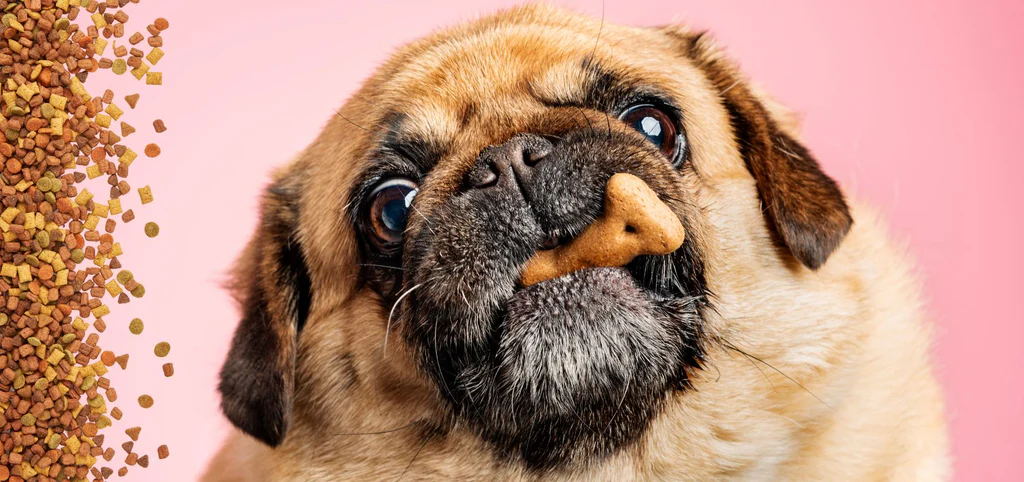
When your dog refuses regular meals but still eats treats, it has a clinical name — partial anorexia.
Full anorexia means a dog refuses to eat anything at all. Partial anorexia means your dog only eats special, highly palatable foods like treats, table scraps, or wet food while skipping regular kibble or canned meals.
This condition is not always about being picky. In most cases, a medical or behavioral reason is behind it. Understanding this distinction is important before assuming your dog is simply being stubborn.
Treats are engineered to be irresistible. Most commercial dog treats are high in fat, salt, and flavor — far more than everyday kibble.
Dogs have a strong sense of smell. A treat with a rich aroma activates their appetite in a way that plain dry food often cannot. It is not that your dog is misbehaving; treats just taste and smell better.
Think of it this way — if someone offered you a plain salad or a slice of pizza, which would you choose? Dogs face the same dilemma every mealtime.
This is one of the most common causes and it is entirely behavioral.
If your dog skips a meal and you respond by offering treats, wet food, or table scraps, your dog quickly learns a powerful lesson: “If I ignore my bowl, something better arrives.”
Dogs are smart. They repeat behaviors that produce positive outcomes. Once this pattern is established, it can be hard to break without consistent effort and routine.
Treats are calorie-dense. Even a handful of small training treats throughout the day can add up to a significant portion of your dog’s daily calorie needs.
If your dog is snacking heavily between meals, they simply will not be hungry when mealtime comes around. The bowl gets ignored — not out of stubbornness, but because the dog is already full.
Keep treats under 10% of your dog’s total daily calorie intake. This is the widely recommended guideline from veterinary nutritionists.
Imagine eating the same meal, twice a day, every single day for years. For some dogs, this leads to what is called food boredom.
Your dog may love their food initially, then gradually lose interest. Treats remain exciting because they come in different textures, shapes, and flavors — always new, always surprising.
Rotating between high-quality protein sources or occasionally adding safe food toppers can solve this without disrupting nutrition.
This is a major medical cause that is often overlooked by dog owners.
Conditions like gum disease, a broken tooth, tartar buildup, or an oral abscess can make chewing hard kibble very painful. Soft treats, on the other hand, require little chewing and can be eaten with minimal discomfort.
Watch for these dental warning signs:
If you notice any of these, schedule a veterinary dental exam promptly.
Stress has a direct impact on a dog’s appetite, just like it does in humans.
Common stressors that cause meal refusal include:
Treats are often associated with comfort and positive reinforcement. Even an anxious dog will accept a treat because it is linked to safety and reward. Regular food, served in a bowl on a schedule, does not carry the same emotional association.
Dogs thrive on predictability. A change in feeding time, a new feeding location, or even a different person feeding them can disrupt their appetite.
A dog that was fed at 7 AM every day may refuse to eat if the schedule shifts to 9 AM for a week. The disruption alone is enough to cause temporary meal refusal.
Consistency in feeding location, time, and routine is one of the simplest solutions to this problem.
Problems in the digestive tract — such as gastritis, colitis, pancreatitis, or inflammatory bowel disease — can make large meals uncomfortable.
A full bowl of kibble sitting in an inflamed stomach is painful. But a small, soft treat? That goes down easily with minimal digestive effort.
Watch for accompanying signs like vomiting, diarrhea, bloating, or loose stools. If present, a vet visit is necessary.
Some dogs develop allergies or intolerances to ingredients in their regular food — commonly proteins like chicken or beef, grains, or artificial additives.
The regular food causes discomfort or nausea, so the dog avoids it. Treats, especially those made from different ingredients, may not trigger the same reaction.
Signs of food allergies include itching, skin rashes, chronic ear infections, and digestive upset alongside meal refusal.
A sudden loss of appetite is often one of the first signs of a serious health problem.
Conditions that commonly cause food refusal while treats remain appealing include:
| Condition | Why It Causes Selective Eating |
|---|---|
| Kidney disease | Toxin buildup suppresses appetite |
| Liver disease | Nausea and metabolic changes |
| Pancreatitis | Large meals trigger pain |
| Respiratory infections | Difficulty breathing reduces appetite |
| Neurological conditions | Disrupted eating behavior |
| Arthritis / chronic pain | General discomfort reduces motivation to eat |
If food refusal lasts more than 24 hours or is combined with lethargy, vomiting, or weight loss, consult your veterinarian immediately.
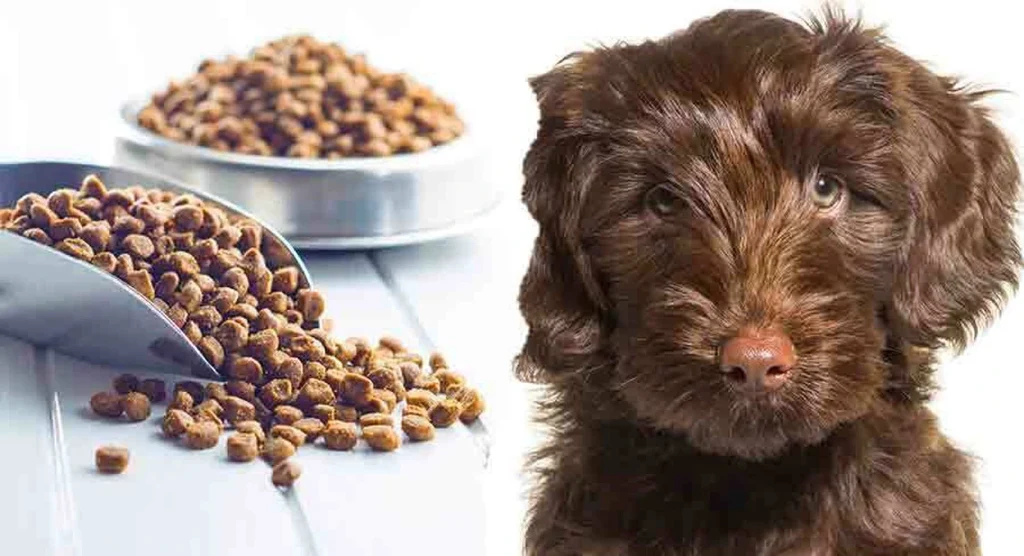
Put the food bowl down at the same time every day. Leave it for exactly 15 to 20 minutes. Then remove it — whether your dog ate or not.
Do not offer treats, table scraps, or any alternative. Your dog will learn that the window for eating is limited and that waiting for something better is not an option.
This method works quickly for behaviorally motivated food refusal. Most dogs adjust within 3 to 5 days.
Reduce treats to training-only use and keep them well under 10% of daily calories. Avoid giving treats near mealtimes entirely.
If your dog is full from snacks, they will not be hungry for their meal. This step alone often resolves the problem in a matter of days.
Warming kibble slightly — either with a small amount of warm water or by briefly microwaving it — releases stronger aromas. This can make regular food far more appealing to a dog whose nose is their biggest appetite trigger.
Adding a low-sodium bone broth drizzle is another safe and effective way to boost palatability without adding unhealthy calories.
If your dog has been eating the same food for years, consider a gradual transition to a new high-quality formula. Mix 25% new food with 75% old food for several days, then slowly shift the ratio.
Never switch food abruptly. Sudden changes can cause digestive upset and make the problem worse.
Adding a spoonful of high-quality wet dog food to dry kibble can dramatically increase meal appeal. The moisture and stronger aroma make the entire bowl more enticing.
This is a practical short-term solution while you work on establishing better feeding habits.
In multi-dog households, one dog may be intimidating another at mealtimes. The submissive dog then refuses to eat in the presence of the other dog.
Feed dogs in separate rooms or separate areas with visual barriers to eliminate this social stress.
Before assuming the issue is behavioral, book a vet checkup. A physical exam, dental check, and basic bloodwork can quickly rule out or identify health causes.
Treating a dental infection or adjusting for kidney disease will resolve the food refusal in ways no behavioral fix ever could.
Not every case of food refusal requires urgent medical attention. But some situations do.
Contact your veterinarian promptly if your dog:
Healthy adult dogs can typically go 24 to 48 hours without a full meal without serious risk. But persistent refusal is always worth investigating.
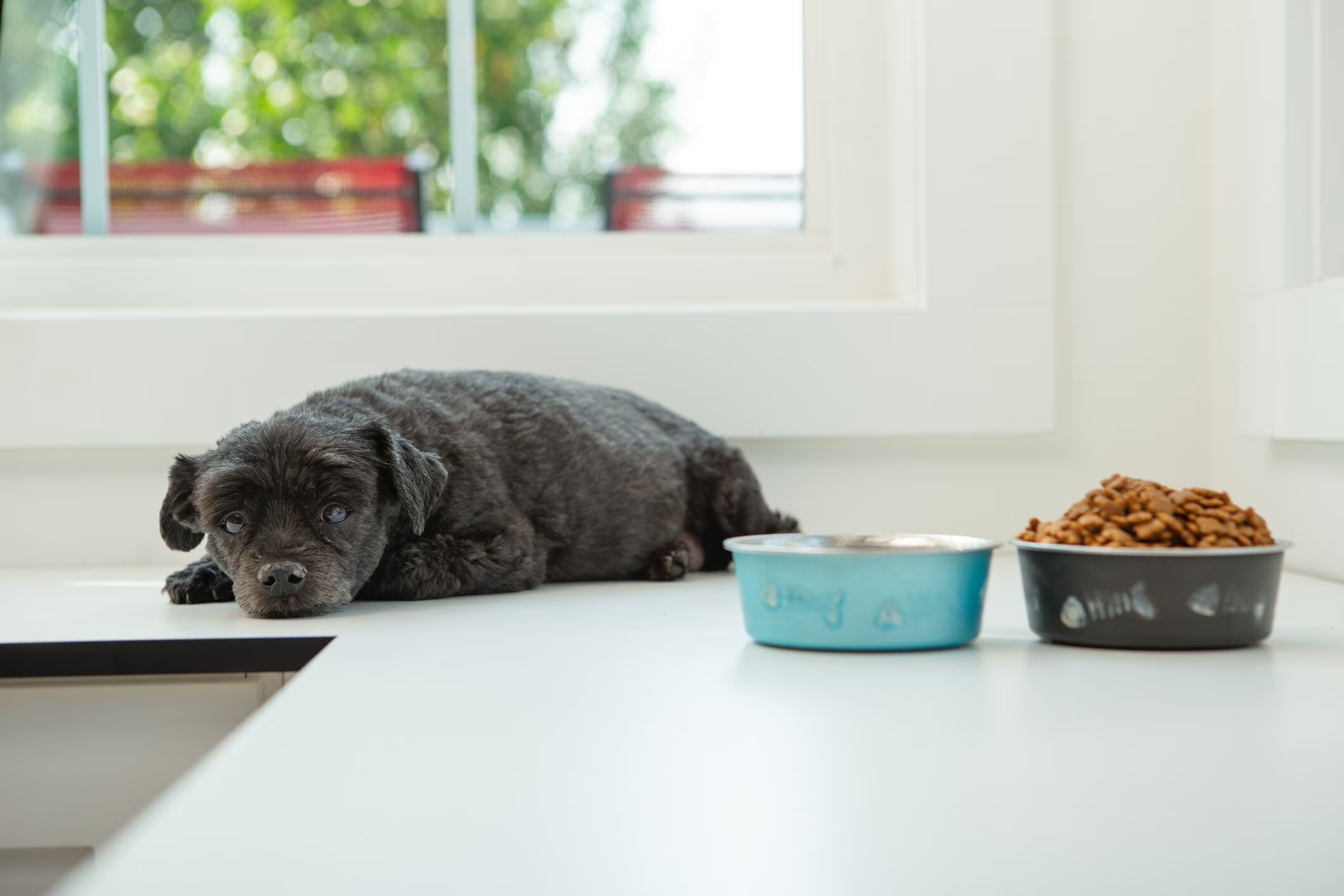
Some breeds are naturally more selective about food than others. Understanding your dog’s breed tendencies can help you set realistic expectations.
More prone to picky eating:
Typically food-motivated (rarely picky):
If you have a small or toy breed, know that selective eating is a common characteristic — but it should still be managed to avoid nutritional deficiencies.
Treats are not inherently bad. They are valuable training tools and strengthen the human-dog bond. The key is proportion.
Veterinary nutritionists recommend keeping treats at or below 10% of your dog’s total daily calorie intake. Here is a simple breakdown:
| Dog Weight | Approx. Daily Calories | Max Treat Calories (10%) |
|---|---|---|
| 5 kg (11 lbs) | 300 kcal | 30 kcal |
| 10 kg (22 lbs) | 500 kcal | 50 kcal |
| 20 kg (44 lbs) | 900 kcal | 90 kcal |
| 30 kg (66 lbs) | 1,200 kcal | 120 kcal |
Check the calorie count on your treat packaging and track how much you are actually giving throughout the day. Most owners are surprised at how quickly small treats add up.
The reason behind food refusal and the urgency of the situation varies significantly by life stage.
Puppies (under 6 months) Puppies should not go more than 12 hours without eating. Their blood sugar drops quickly. If your puppy refuses food but eats treats, see a vet the same day.
Adult Dogs (1–7 years) Healthy adults can be monitored for 24 to 48 hours. If behavior does not change, seek veterinary advice. Behavioral causes are most common in this group.
Senior Dogs (7+ years) Older dogs are more vulnerable to underlying illness. Appetite changes in seniors should never be ignored. A vet visit within 24 hours is advisable. Kidney disease, dental deterioration, and cognitive decline are more common at this stage.
These are practical, vet-approved strategies that pet owners have used effectively.
Add a Food Topper Plain cooked chicken (no seasoning), plain pumpkin puree, or a drizzle of low-sodium broth can transform an ignored bowl into an exciting meal.
Use Puzzle Feeders Some dogs eat better when the feeding process is engaging. A slow feeder bowl or puzzle feeder turns mealtime into a stimulating activity and can reignite interest in regular food.
Try a Different Bowl Believe it or not, some dogs develop an aversion to metal bowls due to noise sensitivity or negative associations. Switching to a ceramic or glass bowl sometimes resolves the issue.
Feed in a Calm Location A busy kitchen with foot traffic, noise, or other pets nearby can suppress a dog’s appetite. A quiet, low-traffic space dedicated to mealtime can make a noticeable difference.
Avoiding these mistakes can resolve the problem faster and prevent it from becoming a long-term habit.
Mistake 1: Giving treats when the dog skips meals This directly rewards the behavior and makes it worse.
Mistake 2: Constantly switching food brands Frequent food changes confuse digestion and can reinforce pickiness.
Mistake 3: Leaving food out all day Free feeding removes the urgency of mealtime and eliminates the natural hunger cue.
Mistake 4: Hand-feeding regularly While occasionally useful, habitual hand-feeding can make dogs refuse to eat from a bowl entirely.
Mistake 5: Panicking and over-treating Anxiety about your dog not eating is understandable, but overreacting by offering constant alternatives makes the problem significantly worse.
Treats are higher in fat, salt, and flavor than regular kibble, making them far more appealing. Your dog may also have learned that skipping meals leads to better options.
No. Treats do not provide complete nutrition and should never replace full meals. Long-term treat-only eating leads to nutrient deficiencies and weight issues.
Healthy adult dogs can skip meals for 24 to 48 hours. Puppies under 6 months should not go more than 12 hours without food.
Yes. Anxiety from new pets, moving, loud noises, or changes in routine can suppress a dog’s appetite while treats remain appealing due to their comforting association.
Partial anorexia is when a dog refuses regular food but still eats treats or highly palatable foods. It is different from full anorexia, where the dog refuses to eat anything at all.
Yes — warm water, low-sodium broth, or a spoonful of wet food can boost aroma and palatability. Avoid salt, onions, garlic, or any seasoning harmful to dogs.
Absolutely. Gum disease, broken teeth, or oral infections make chewing hard kibble painful. Soft treats are easier to eat, which is why dental dogs often still accept them.
Visit the vet if food refusal lasts over 24 hours, is combined with vomiting, lethargy, or weight loss, or if your dog is a puppy or senior.
Treats should not exceed 10% of your dog’s total daily calorie intake. Excess treats are a leading cause of mealtime refusal.
Yes. An abrupt food change can cause digestive upset and meal refusal. Always transition over 7 to 10 days by gradually mixing old and new food together.
Why is my dog not eating his food but will eat treats? In 2026, we have a much clearer picture of the causes — from behavioral habits and food boredom to dental pain and serious medical conditions.
The answer is rarely one simple thing. Most cases involve a mix of palatability differences, learned behavior, and sometimes an underlying health issue that needs attention.
The most important steps are simple: establish a firm feeding schedule, cut back on treats, rule out dental or medical problems with a vet visit, and stay consistent. Do not panic and do not reward meal refusal with better food alternatives.
With patience and the right approach, most dogs return to healthy eating habits within a week. If the problem persists beyond 48 hours or comes with other symptoms, your veterinarian is always the right next call.