

Why does the roof of my mouth hurt? This is one of the most searched dental questions in 2026, and for good reason. The roof of your mouth, called the palate, touches everything you eat, drink, and breathe.
When it hurts, even simple daily tasks become uncomfortable. Pain in the roof of the mouth can range from a mild burn after hot coffee to a persistent sore that signals something deeper.
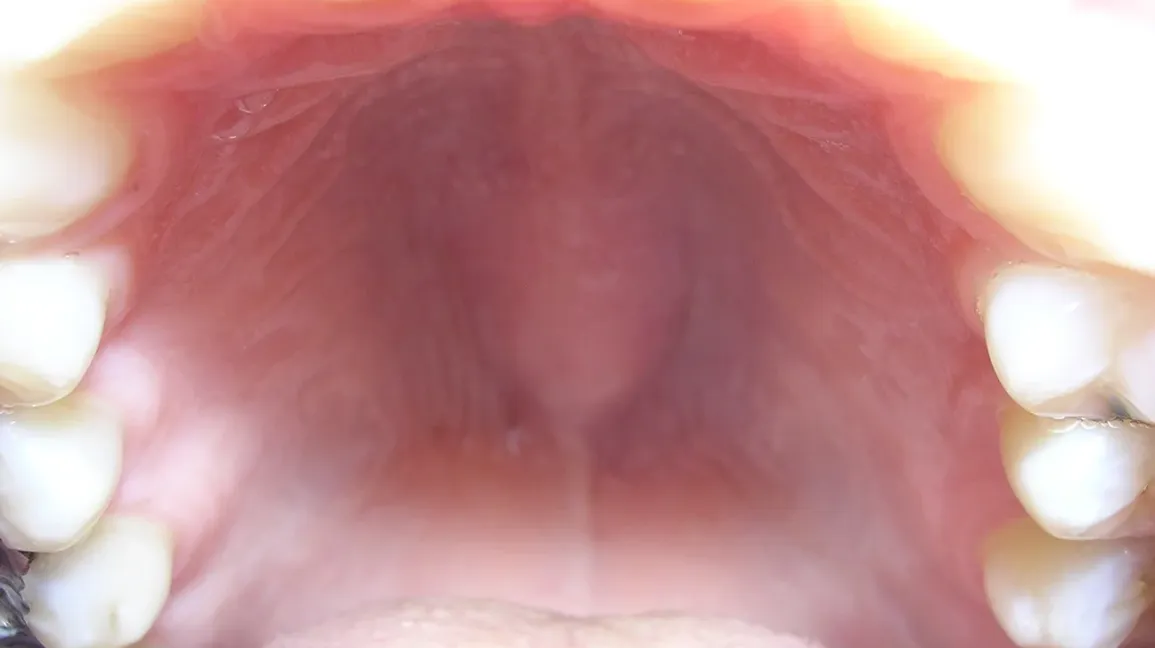
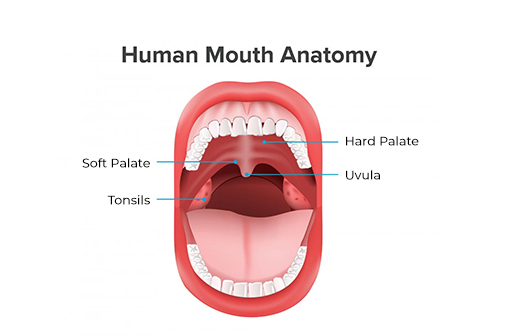
The roof of your mouth is called the palate. It is divided into two sections.
The hard palate is the firm, bony area at the front, just behind your upper teeth. It is covered with a thin layer of mucous membrane.
The soft palate sits at the back of your mouth. It is fleshy, flexible, and helps with swallowing and speaking.
Both sections can become sore, irritated, or infected. Understanding which part hurts can help narrow down the cause quickly.
This is the single most common reason the roof of your mouth hurts. Hot pizza, coffee, soup, or tea can scald the delicate tissue on the palate instantly.
The pain usually starts as a sharp burning sensation and turns into tenderness that lasts for a few days. Most burns heal completely on their own within 3 to 7 days.
Cool water, soft foods, and avoiding spicy or acidic items speed recovery. This is sometimes called “pizza palate” because of how frequently it happens.
Canker sores are small, round, painful ulcers that appear inside the mouth, including on the roof. They have a white or yellow center with a red border.
They are not contagious. About 20% of people get them regularly. Common triggers include stress, hormonal changes, minor injuries, vitamin deficiencies, and certain foods.
Most canker sores heal on their own within 10 to 14 days. Over-the-counter gels and saltwater rinses can ease the pain in the meantime.
Sharp foods like tortilla chips, crackers, crusty bread, hard candy, or pretzels can scratch or cut the soft tissue on the palate.
You might not feel the cut right away, but soreness builds over the next few hours. Dental work, braces, retainers, or denture edges can also cause similar minor injuries.
These cuts usually heal within 2 to 5 days. The key is to avoid irritating the area further with rough, salty, or acidic food.
Oral thrush is a yeast infection caused by Candida albicans. It shows up as creamy white patches on the tongue, palate, and inner cheeks.
Wiping the patches off often leaves a red, sore surface underneath. It is common in people using inhalers, antibiotics, or immunosuppressants.
Oral thrush needs prescription antifungal medication to clear up. It will not go away on its own.
Cold sores are caused by the herpes simplex virus (HSV-1). They usually appear around the lips but can also form on the hard palate inside the mouth.
They often start with a tingling or burning sensation before small blisters appear. Cold sores are highly contagious and tend to flare during stress, illness, or fatigue.
They typically heal within 7 to 14 days. Antiviral medications can shorten the duration and reduce severity.
Your sinus cavities sit just above the roof of your mouth. When they become infected or inflamed, pressure builds and refers pain directly to the hard palate.
You may feel a dull ache on the roof of your mouth along with nasal congestion, postnasal drip, and facial pressure. Seasonal allergies can trigger the same effect.
Treating the underlying sinus infection resolves the mouth pain. Decongestants, nasal sprays, or antibiotics may be needed depending on the cause.
A tooth abscess is a bacterial infection near the root of a tooth or surrounding gum tissue. The infection causes inflammation that can radiate upward to the roof of the mouth.
Advanced gum disease (periodontitis) can also cause inflammation that spreads beyond the gumline and affects the upper palate. This type of pain often worsens while chewing or swallowing.
Dental abscesses require professional treatment immediately. They will not resolve on their own and can become serious if left untreated.
When your body does not produce enough saliva, the tissues inside your mouth dry out, crack, and become irritated. This leads to soreness, burning, and sensitivity on the palate.
Dry mouth is often caused by medications, dehydration, mouth breathing, alcohol use, or certain medical conditions like Sjögren’s syndrome.
Drinking more water, using a humidifier, and switching medications (if possible) can help. Prescription saliva substitutes are available for chronic cases.
Food allergies, medication sensitivities, or reactions to dental products like mouthwash or toothpaste can cause swelling, itching, or burning on the palate.
Common allergens include nuts, shellfish, certain fruits, latex, and dyes in dental products. The reaction can appear within minutes of exposure.
Mild reactions may settle with antihistamines. Severe allergic reactions with throat swelling or breathing difficulty require immediate emergency care.
Low levels of vitamin B12, folate, or iron can cause inflammation and soreness in the oral tissues, including the roof of the mouth. This is sometimes called nutritional stomatitis.
The mouth is often one of the first places where deficiencies show up. A burning or raw feeling on the palate with no visible sore is a common sign.
A blood test can confirm the deficiency. Correcting it through diet adjustments or supplements usually resolves the mouth pain over several weeks.
Braces, dentures, retainers, night guards, or dental splints that do not fit properly can rub against the palate and cause persistent irritation or ulcers.
The friction creates sore spots that worsen with use. You may notice the pain developing gradually as an appliance shifts out of alignment.
A dentist can adjust or replace the appliance to stop the irritation. Do not attempt to bend or reshape dental appliances at home.
Burning mouth syndrome is a chronic condition that causes a persistent burning or scalding sensation on the tongue, lips, gums, or palate without any visible cause.
It is more common in postmenopausal women but can affect anyone. The burning is often worse in the afternoon or evening and may be accompanied by dry mouth or taste changes.
Management involves a combination of medications, nerve treatments, dietary adjustments, and stress management under medical supervision.
A torus palatinus is a harmless bony growth on the center of the hard palate. It is a normal anatomical variation present in some people and is not dangerous.
Most of the time it causes no pain at all. However, if it gets irritated by sharp food, dental appliances, or repeated trauma, it can become sore and tender.
No treatment is needed unless it causes ongoing problems. A dentist may occasionally recommend surgical removal if it severely interferes with denture placement or speech.
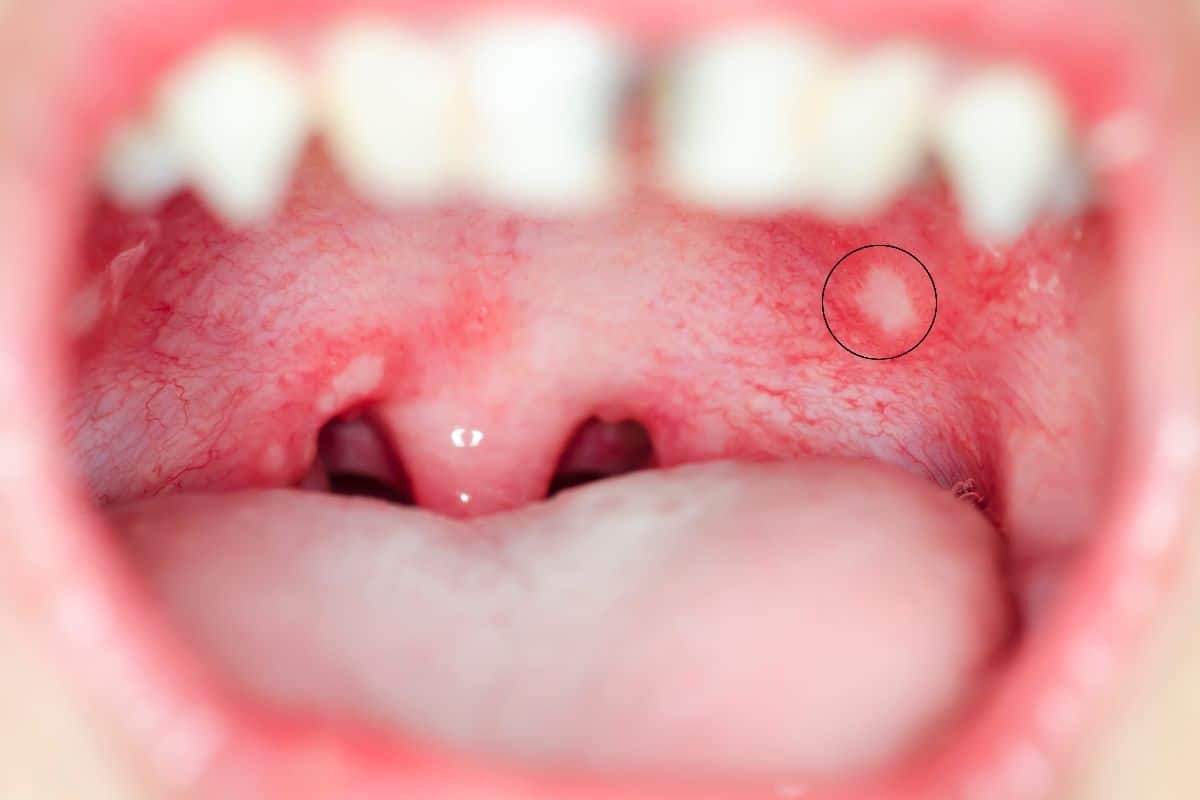
Pain in the roof of the mouth can feel different depending on the cause. Here is a quick guide to common symptoms and what they may indicate.
| Symptom | Possible Cause |
|---|---|
| Sharp burning sensation after eating | Thermal burn (hot food or drink) |
| Round white/yellow sore with red border | Canker sore |
| White patches that wipe off | Oral thrush |
| Small blisters, tingling before pain | Cold sores (HSV-1) |
| Dull ache with nasal congestion | Sinus infection |
| Pain that worsens when chewing | Dental abscess or gum disease |
| Dry, raw feeling with no visible sore | Dry mouth or nutritional deficiency |
| Persistent burning, no visible cause | Burning mouth syndrome |
| Hard lump on center of palate | Torus palatinus |
| Swelling, itching after eating | Food allergy |
Most mild cases of roof of mouth pain respond well to simple home remedies. Here are the most effective options.
Saltwater Rinse
Mix 1 teaspoon of salt in 1 cup of warm water. Swish gently for 30 seconds and spit. Salt is a natural antiseptic that reduces inflammation and lowers the risk of infection. Repeat 2 to 3 times daily.
Cold Water and Ice Chips
Sipping cold water or gently sucking on ice chips soothes burns and minor injuries. Cold reduces swelling and provides instant temporary relief. Avoid rubbing ice directly on open sores or blisters.
Over-the-Counter Pain Relief
Ibuprofen and acetaminophen help reduce pain and inflammation. Topical oral gels containing benzocaine (such as Orajel) can numb the area directly. Follow the dosing instructions on the label.
Soft and Cool Foods
While your palate heals, stick to soft, cool, non-irritating foods. Good options include yogurt, smoothies, mashed potatoes, scrambled eggs, oatmeal, applesauce, soft-cooked pasta, and cool soups.
Avoid Triggers
Stay away from spicy, salty, acidic, crunchy, and very hot foods until the pain settles. These aggravate inflamed tissue and slow healing.
Stay Hydrated
Drinking enough water keeps oral tissues moist and supports faster healing. Aim for at least 8 glasses of water per day, especially if dry mouth is a contributing factor.
Most minor causes of roof of mouth pain clear up on their own within a week. However, some situations need professional attention.
See a dentist or doctor if:
Persistent, unexplained sores on the palate lasting more than two weeks should always be evaluated to rule out oral cancer, even though it is uncommon.
When home remedies are not enough, a doctor or dentist may recommend the following treatments depending on the cause.
| Treatment | Best For |
|---|---|
| Antifungal medication (nystatin, fluconazole) | Oral thrush |
| Antiviral medication (acyclovir, valacyclovir) | Cold sores (HSV-1) |
| Antibiotics | Bacterial infections, dental abscess |
| Prescription corticosteroids | Severe canker sores, autoimmune conditions |
| Medicated mouthwash | Mouth ulcers, persistent soreness |
| Dental appliance adjustment | Ill-fitting braces, dentures, or retainers |
| Vitamin B12 or iron supplements | Nutritional deficiency-related soreness |
| Nasal decongestants or antibiotics | Sinus infection |
| Nerve medication (gabapentin, amitriptyline) | Burning mouth syndrome |
Best Foods to Eat
Cool, soft, and non-irritating foods give the palate time to recover without adding more trauma.
Foods to Avoid
These foods slow healing and make existing pain significantly worse.
Many causes of palate soreness are preventable with simple daily habits.
Cool your food and drinks before eating or drinking. Wait a few minutes before biting into hot pizza or sipping fresh-brewed coffee.
Brush gently with a soft-bristled toothbrush. Aggressive brushing irritates the palate and gum tissue over time.
Maintain good oral hygiene. Brush twice a day, floss daily, and use an alcohol-free mouthwash to keep bacteria and fungi under control.
Manage stress. Stress is a known trigger for canker sores and cold sores. Regular sleep, exercise, and relaxation habits lower your risk.
Stay hydrated. Drinking enough water throughout the day keeps oral tissues moist and prevents dryness-related soreness.
Eat a balanced diet. Getting enough vitamin B12, folate, and iron through food or supplements protects oral tissues from deficiency-related inflammation.
See your dentist regularly. Routine checkups catch problems like ill-fitting appliances, gum disease, and early oral lesions before they cause significant pain.

Roof of Mouth Hurts When Swallowing
Pain while swallowing is often linked to soft palate involvement. Common causes include sinus infections, strep throat, upper palate ulcers, or tonsil inflammation. If swallowing is difficult or painful for more than a few days, see a doctor.
Roof of Mouth Hurts When Eating
This is usually caused by burns from hot food, canker sores, physical cuts from crunchy foods, or dental appliance irritation. Switching to soft, cool foods while the palate heals is the most effective short-term solution.
Roof of Mouth Hurts After Waking Up
Morning soreness on the palate is often caused by mouth breathing, dry mouth during sleep, or nighttime teeth grinding (bruxism). A night guard and humidifier can make a significant difference.
Roof of Mouth Hurts and Has a Bump
A bump on the palate can be a canker sore, cold sore blister, oral thrush patch, or a torus palatinus. Most bumps are benign, but any lump that does not resolve within two weeks should be examined by a dentist.
Unexplained palate pain is often caused by early-stage canker sores, dry mouth, or mild nutritional deficiencies. If it persists beyond two weeks, see a dentist for evaluation.
Most minor causes like burns, cuts, or canker sores heal within 3 to 14 days. Infections or underlying conditions may take longer and require professional treatment.
Rarely. Most palate soreness is benign. However, any sore that does not heal within two weeks, changes in appearance, or is accompanied by a lump should be evaluated by a dentist immediately.
Rinse with cool water right away, avoid hot and spicy foods, apply a benzocaine gel for pain relief, and stick to soft cool foods. Most burns fully heal within 3 to 7 days.
Yes. Stress is a well-known trigger for canker sores, which can appear on the palate. Stress also weakens the immune system, increasing the risk of cold sores and slow healing.
Yes. Low hydration reduces saliva flow, leaving oral tissues dry, cracked, and irritated. Drinking more water quickly relieves mild dehydration-related palate soreness.
Pain while swallowing usually involves the soft palate and is often linked to sinus infections, throat infections, upper palate ulcers, or tonsil inflammation. See a doctor if it lasts more than a few days.
Yes. The sinuses sit directly above the hard palate. When infected or inflamed, pressure from the sinuses refers pain directly into the roof of the mouth.
This is commonly caused by hot food burns, sharp food scratches, canker sores, or irritation from dental appliances. Switching to soft, cool foods while healing is the most effective short-term fix.
No. Popping blisters increases the risk of infection and slows healing significantly. Let them heal naturally and use saltwater rinses to keep the area clean.
The roof of your mouth hurts for many reasons, and most of them are not dangerous. Burns from hot food, canker sores, minor cuts, dry mouth, and sinus pressure are the most common culprits in 2026. These usually heal on their own within one to two weeks with simple home care like saltwater rinses, cool fluids, and soft foods.
However, some causes do require medical attention. Oral thrush, cold sores, dental abscesses, allergic reactions, and burning mouth syndrome all need proper diagnosis and treatment to resolve fully. Never ignore palate pain that lasts more than two weeks, comes with swelling or fever, shows unusual white or red patches, or includes a lump that was not there before.
The best approach is always prevention. Cool your food before eating, stay hydrated, maintain good oral hygiene, manage stress, and see your dentist for regular checkups. Your palate plays a quiet but critical role in everything you eat, drink, and say. Taking care of it now protects your overall oral health for the long term.