
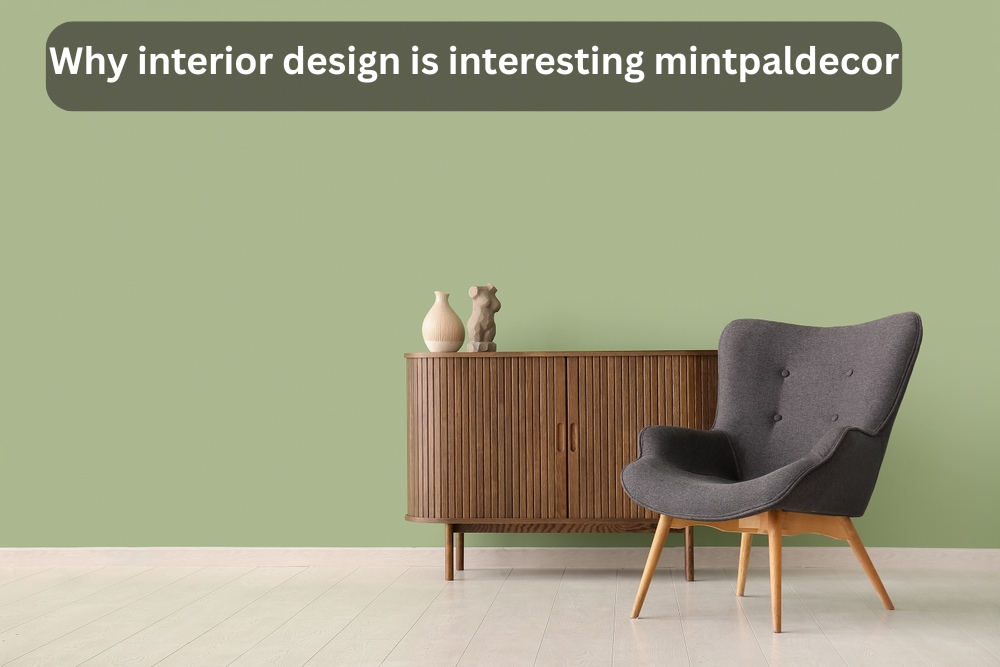
Why Interior Design Is Interesting MintPalDecor has never been a more relevant question than in 2026. At MintPalDecor, we believe spaces tell stories, carry emotions, and shape everyday human experience.
Interior design sits at the crossroads of art, psychology, and architecture — making it one of the most dynamic and meaningful fields alive today.
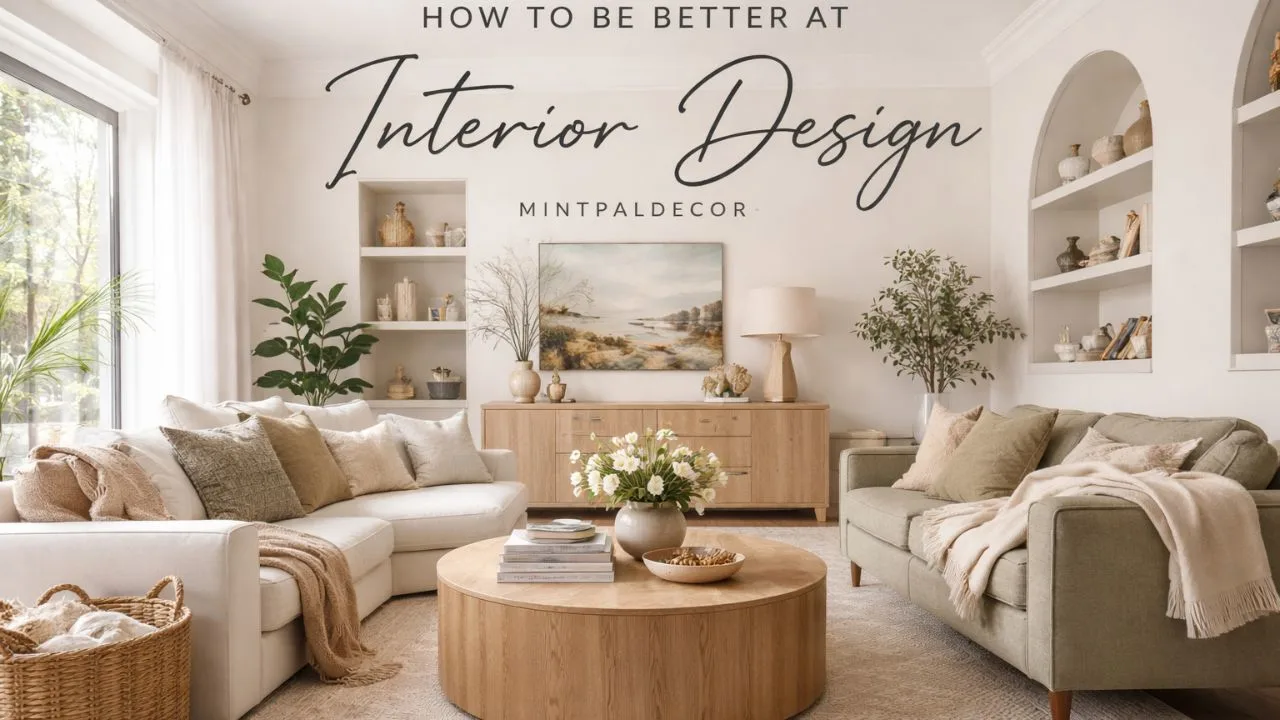
Most people think interior design is about picking cushion colors or hanging art. It is far bigger than that.
Interior design combines spatial planning, human psychology, material science, and cultural storytelling into one discipline. Every room is a problem to solve — and the solution has to be beautiful, functional, and personal all at once.
At its core, great design answers the question: how do we want to feel here? That question never gets old.
Interior design gives you complete creative freedom within real-world constraints. You work with color, texture, light, proportion, and material — and every single project is a fresh blank canvas.
No two homes are the same. No two clients want the same thing. This variety means interior designers never stop learning, adapting, or discovering new aesthetics.
The challenge of turning a limited budget or an awkward space into something extraordinary is what keeps designers hooked for decades.
Spaces affect mood, productivity, stress levels, and emotional wellbeing. This psychological dimension is what makes interior design genuinely fascinating at a scientific level.
Warm lighting makes people feel safe. Earthy colors ground anxiety. Open layouts promote conversation while intimate nooks encourage reflection.
Understanding how design choices trigger specific emotional and behavioral responses puts interior designers in a unique position — they are quietly shaping how people feel every single day.
Interior design is one of the few careers that blends left-brain thinking with right-brain creativity. You need to understand technical drawings, spatial geometry, and material specifications alongside color theory, aesthetics, and client psychology.
Every project brings a new set of constraints — budget, architecture, lifestyle, culture — and solving those constraints beautifully is endlessly satisfying.
The career also offers real flexibility. Designers can work in residential, commercial, hospitality, healthcare, retail, and set design — each sub-field with its own language and aesthetic universe.
At MintPalDecor, our philosophy is simple: a space should feel like the people who live in it, not like a showroom or a social media feed.
We design for how life actually happens — for Tuesday mornings, for family dinners, for quiet evenings. That means every decision is rooted in function, comfort, and authentic personal expression.
Design that lasts is design that serves real life first and visual perfection second.
2026 marks a meaningful shift in how the design world thinks about interiors. The era of cold minimalism is genuinely over, replaced by warmth, texture, and intentional depth.
Here is what is defining interior design in 2026:
| Trend | Description | Key Materials |
|---|---|---|
| Natural Tactile Materials | Foundation, not accent | Oak, plaster, stone, unlacquered metal |
| Curated Maximalism | Layered but intentional | Vintage pieces, handcrafted objects |
| Earthy Color Palettes | Warm tones over cool grey | Terra cotta, burgundy, warm greens |
| Biophilic Design | Nature deeply integrated | Wood, plants, natural light |
| Sensory Drenching | Texture-led immersion | Bouclé, raw plaster, ribbed woods |
| Moody Dark Interiors | Retreat from overstimulation | Deep charcoal, warm black, dark wood |
| Artisan Craftsmanship | Story and patina over perfection | Antiques, hand-painted surfaces |
| Smart Wellness Spaces | Technology meets comfort | Adaptive lighting, air quality systems |
These are not trends to blindly copy. They are signals pointing toward one shared idea — homes that feel genuinely human.
In 2026, natural materials have moved from accent to architecture. Designers are building entire rooms around handmade tile, warm wood with natural grain variation, unlacquered metals, and plaster walls.
The appeal is simple — these materials have texture, history, and soul. They age beautifully rather than looking dated.
Oak, walnut, stone, and linen are now the starting point of a room’s story, not the finishing touch.
The grey-beige era is firmly behind us. 2026 is bringing back color with genuine conviction — but it is color that serves emotion, not just aesthetics.
Terra cotta, burgundy, deep olive green, soft pinks, and warm blues are replacing the cold neutrals that dominated the previous decade. These tones feel grounded and human.
Monochromatic rooms done in deep, layered hues — think every shade of blue from navy velvet to pale steel — are creating rooms that feel cohesive yet visually rich without relying on pattern.
Maximalism has returned in 2026, but it is a smarter, more personal version. This is not about filling every surface. It is about filling rooms with objects that carry stories.
Travel finds, inherited pieces, handcrafted ceramics, vintage furniture — each item earns its place through meaning, not just aesthetics. The result feels collected over time, not staged.
MintPalDecor describes this as the difference between a room that looks designed and a room that feels lived. The best spaces in 2026 do both.
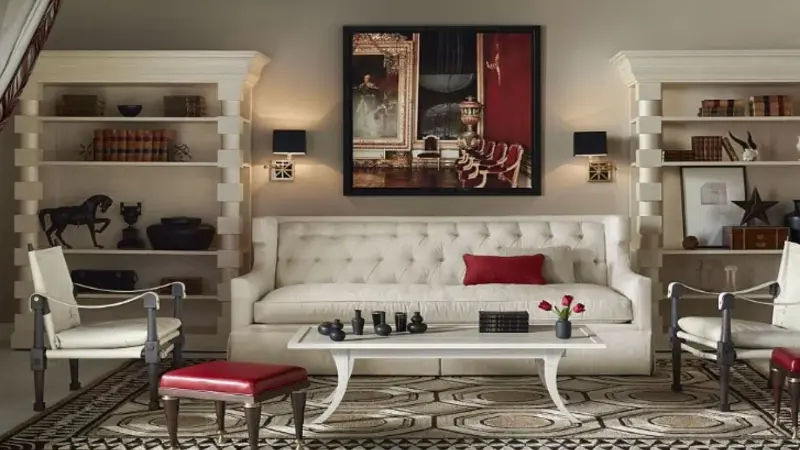
Biophilic design in 2026 has evolved well past a potted plant on a shelf. Designers are now integrating nature as a structural and sensory element of the entire space.
Indoor plants are part of the architecture. Natural soundscapes, air-purifying systems, and optimized natural light are being built into room planning from the very beginning.
The goal is not decoration — it is a genuine physical and psychological connection to the natural world that reduces stress and promotes wellbeing.
Dark interiors are not going anywhere in 2026 — but they have matured. Deep charcoals, softened blacks, dark walnut woods, and rich earth tones are creating rooms that feel like a retreat.
The key is warmth. Pairing dark tones with natural textures and layered, soft lighting makes these spaces feel cocooning rather than heavy or cold.
These interiors are designed as a deliberate refuge from daily overstimulation — quiet, grounding, and restorative.
In an age of mass production and fast furniture, handcrafted quality stands out immediately. 2026 sees a strong return to custom detailing, antique sourcing, and artisan-made objects.
Hand-painted walls, custom joinery, bespoke ceramics, and lovingly sourced vintage pieces bring a layer of depth that no catalog furniture can replicate.
These choices communicate that a space was built for a specific person — not assembled from a generic template.
Technology in 2026 interiors is quiet and purposeful. Smart systems are being integrated to serve emotional wellbeing rather than just convenience.
Adaptive lighting that shifts with the time of day, temperature systems that respond to body rhythms, air quality monitoring, and acoustic design are all becoming part of how thoughtful designers approach a project.
The best smart interiors are the ones you barely notice — everything just feels right.
The spaces we inhabit shape our mental state every single day. Research consistently shows that good design reduces anxiety, improves focus, and promotes emotional security.
Thoughtful choices in color, texture, lighting, and spatial layout can regulate the nervous system. A well-designed room is not just pleasant to look at — it actively supports the people living in it.
This is perhaps the most compelling reason why interior design is interesting — it genuinely improves lives, not just aesthetics.
Sustainable design in 2026 has moved beyond recycled materials. Circular design philosophy is now shaping how materials are sourced, how furniture is built, and how spaces are planned.
Designers are choosing materials designed for long life, repairability, and eventual reuse. Vegan leather alternatives, reclaimed wood, and locally sourced stone are entering mainstream residential design.
The question is no longer just “does it look good?” — it is also “does it last, and does it leave the world better?”
Color does not just make a room look nice — it triggers specific psychological responses. This is why color selection is one of the most critical and fascinating aspects of interior design.
Warm reds and oranges stimulate energy and appetite — perfect for dining spaces. Cool greens and blues calm the nervous system — ideal for bedrooms and home offices.
Understanding color psychology allows designers to intentionally shape how a person feels in every room of a home, from the moment they walk in.
In 2026, texture is being treated as seriously as color. The concept of “sensory drenching” — filling a room with tactile richness — is one of the defining aesthetic moves of the year.
Bouclé sofas, ribbed wood paneling, raw plaster walls, handwoven textiles, and layered rugs create rooms that invite touch, not just sight.
Pattern has also returned with confidence — florals, stripes, brushstroke motifs, and heritage prints are appearing on everything from wallpaper to upholstery.
Lighting is the single most powerful tool in interior design, and also the most commonly overlooked by homeowners. Great lighting can transform a mediocre room; poor lighting ruins a perfectly designed one.
2026 is seeing a strong move away from harsh overhead lighting toward layered, warm, and flexible lighting plans. Wall sconces, floor lamps, pendant lights at human scale, and dimmer-controlled ambient layers are the new standard.
Lighting choices are also being used as design statements in themselves — ceramic, stone, and sculptural metal bases serve as functional art.
Small spaces are where interior design gets genuinely exciting. The constraint of limited square footage forces creative, intelligent thinking about every single element.
Multi-functional furniture, built-in storage, strategic mirror placement, and careful light maximization can transform a small apartment into a home that feels spacious and personal.
MintPalDecor sees small-space design as a discipline in itself — one that rewards inventiveness more than almost any other challenge in the field.
The most interesting trend of 2026 is not about a specific color or material — it is about intention. Spaces in 2026 are being designed to tell the story of the people who live in them.
Objects collected on travels, inherited furniture, hand-selected art, and materials that carry personal meaning are being used to make rooms that are deeply, irreplaceably individual.
A well-designed space in 2026 asks not just “how does this look?” but “what does this say about who I am and how I live?”
You do not have to be a professional designer to find interior design fascinating and rewarding. Every homeowner engages with design decisions every day — whether consciously or not.
Understanding basic principles of proportion, color harmony, light, and spatial flow gives any homeowner the tools to make spaces that genuinely serve and delight them.
MintPalDecor believes design literacy is something everyone deserves — and that learning it transforms not just your home, but how you experience it every day.
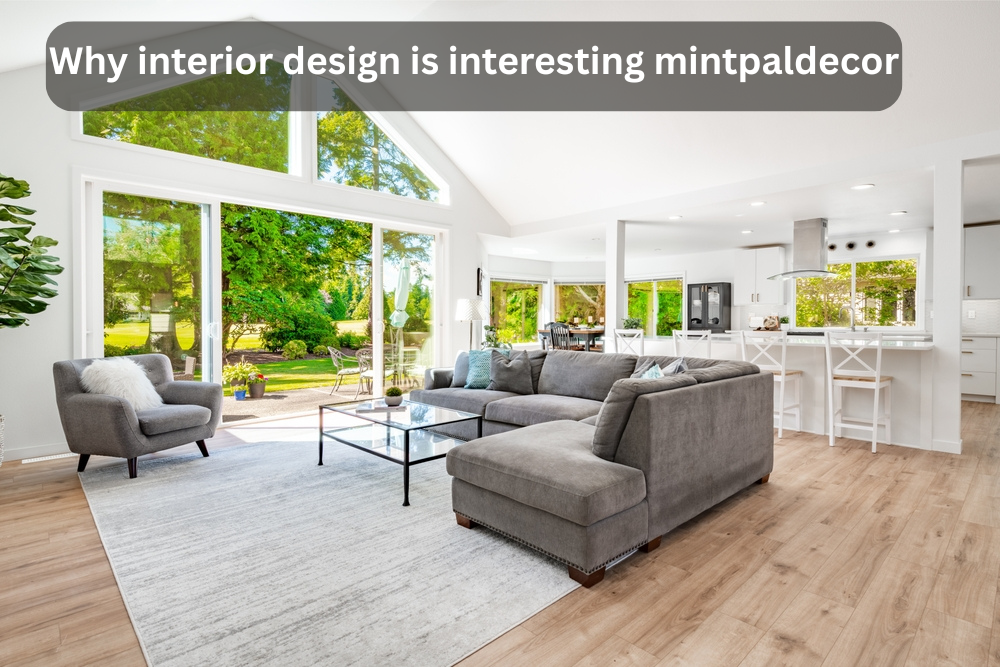
Getting started with interior design does not require a massive budget or professional help. It starts with clarity about how you want to feel in a space and what story you want it to tell.
Start by auditing your current space: what works, what does not, what feels out of place. Then identify one or two changes — a paint color, a lighting upgrade, a key furniture piece — that would have the biggest impact.
Build from there. Great interiors are rarely created in one moment. They evolve over time, with intention.
| Starting Point | Action | Budget Level |
|---|---|---|
| Lighting upgrade | Replace overhead with layered lamps | Low |
| Color change | Paint one wall in an earthy warm tone | Low |
| Texture addition | Add a bouclé throw or ribbed cushions | Low |
| Statement furniture | Invest in one quality artisan piece | Medium |
| Material upgrade | Replace fast-furniture with solid wood | Medium–High |
| Full room redesign | Work with a designer on spatial planning | High |
Interior design blends art, psychology, architecture, and human behavior into one discipline. It solves real problems beautifully, making every project intellectually and creatively rewarding.
The spaces we live in directly affect our mood, stress levels, and productivity. Good design improves mental health and quality of life on a daily basis.
Natural tactile materials, curated maximalism, earthy palettes, biophilic integration, moody dark interiors, and artisan craftsmanship are the defining directions of 2026.
Yes. It offers creative fulfillment, diverse specializations, growing market demand, and the ability to make a tangible positive impact on people’s lives.
MintPalDecor designs spaces that feel authentic to the people who live in them — prioritizing comfort, personal story, and long-term livability over trend-chasing.
Different colors trigger specific emotional responses — warm tones energize and comfort, cool tones calm and focus. Skilled designers use this knowledge to shape how people feel in every room.
Biophilic design integrates nature — light, plants, natural materials, and soundscapes — into interior spaces to reduce stress and promote physical and mental wellbeing.
Curated maximalism is layering meaningful, personal objects and rich textures intentionally — creating rooms that feel full and expressive without feeling chaotic or overwhelming.
Use multi-functional furniture, maximize natural light, add mirrors strategically, and focus on a cohesive color palette. Every element should earn its place by serving both function and feeling.
Interior design involves spatial planning, structural considerations, lighting systems, and technical knowledge. Interior decorating focuses on surface-level aesthetics like color, furniture, and accessories.
Why interior design is interesting at MintPalDecor comes down to one truth: design is one of the most human things we do.
When we shape a space, we are shaping how life is lived inside it — the conversations that happen, the rest that is found, the memories that form. In 2026, interior design is moving toward something more meaningful than aesthetics alone.
It is about warmth, authenticity, personal story, and spaces that genuinely serve the people who inhabit them.
Whether you are a homeowner making one room better or a designer building a career in this field, the fascination never fades — because spaces are never finished, people always evolve, and the next great room is always waiting to be created. At MintPalDecor, that is exactly why we love what we do.