
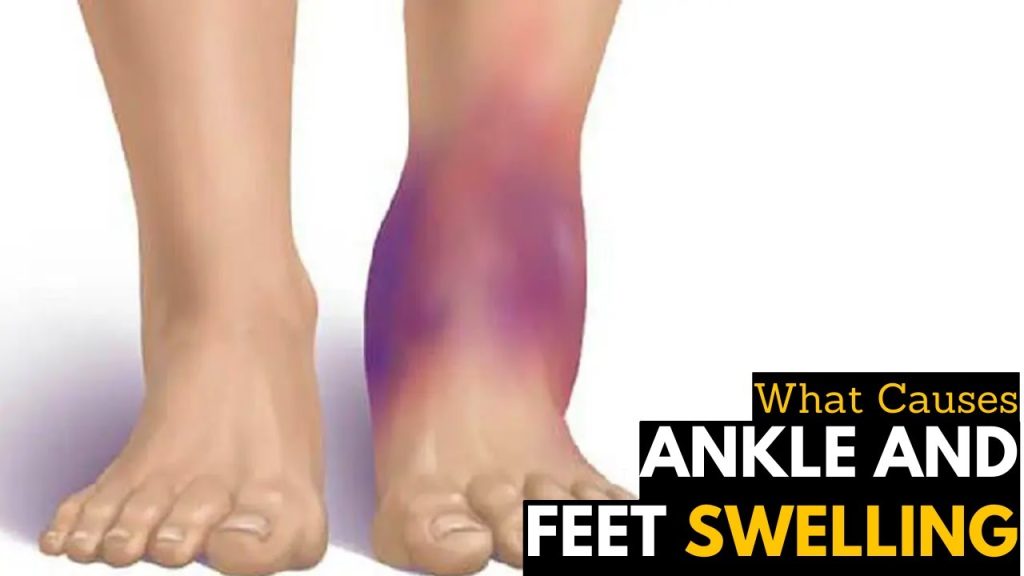
Why do my ankles swell — this is one of the most common health questions people ask, and it makes sense. Swollen ankles can appear without warning, causing discomfort, tightness in shoes, and real worry.
In most cases, the swelling is caused by fluid buildup, known medically as edema. Sometimes it is harmless and goes away on its own. Other times, it signals a deeper problem.
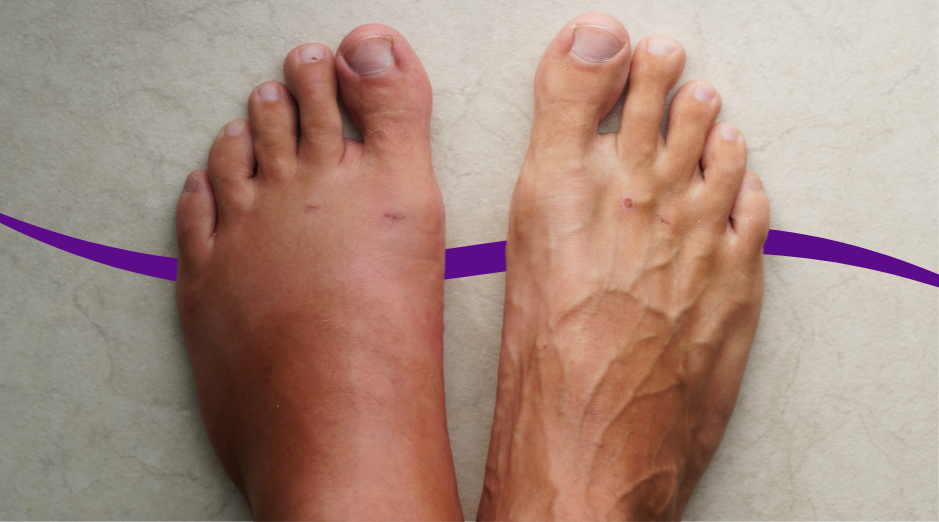
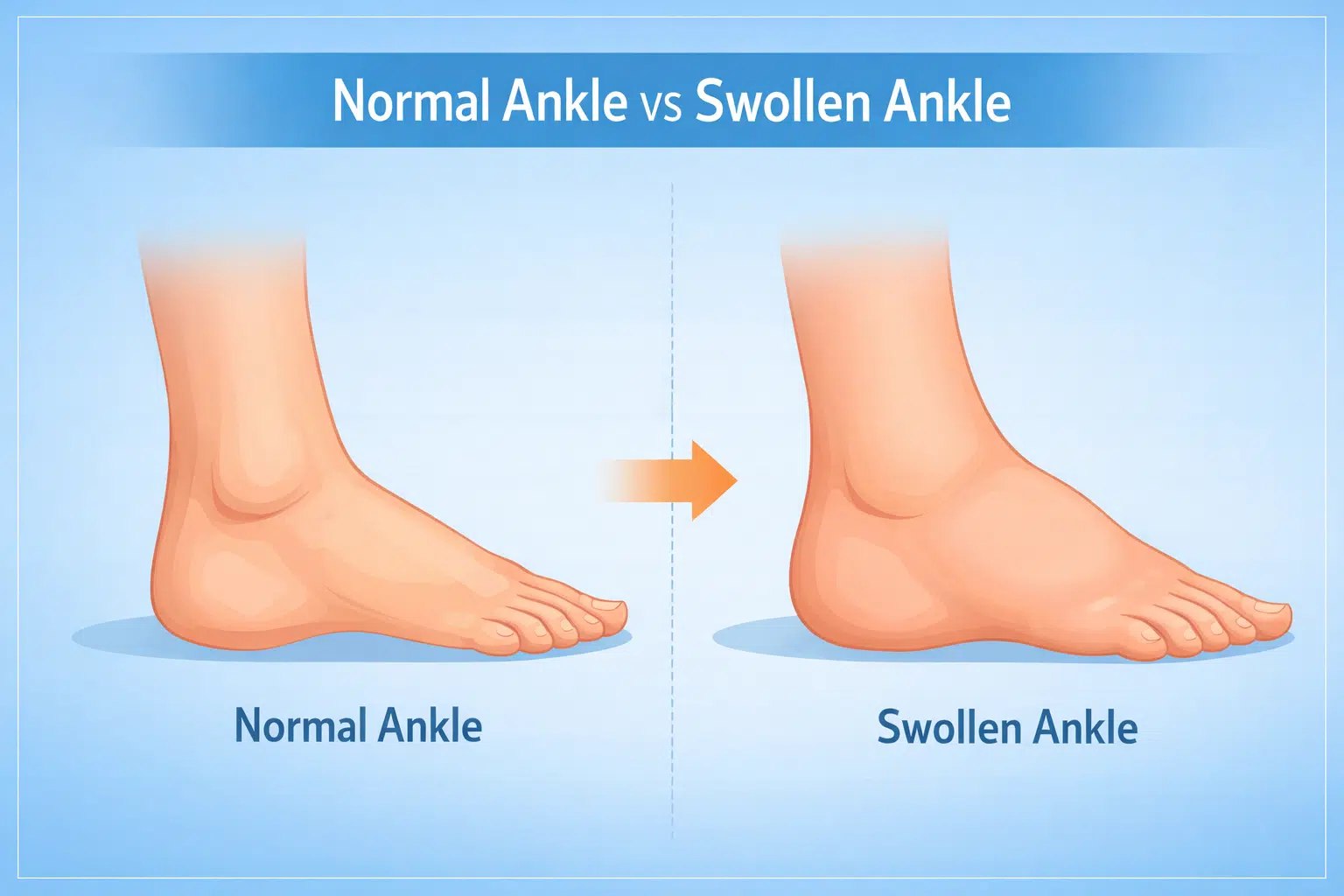
Ankle swelling happens when excess fluid collects in the tissues around your ankle and foot. The medical term for this is peripheral edema.
It is extremely common — affecting millions of people worldwide, especially adults over 65. Your feet and ankles are the most affected areas simply because of gravity.
When fluid builds up faster than your body can drain it, the result is that puffy, stretched, sometimes shiny-looking skin around your ankle.
Understanding why ankles swell starts with knowing the most frequent causes. Here is a complete breakdown:
One of the most everyday reasons your ankles swell is simply staying in one position too long.
When you sit or stand for extended periods — on a long flight, at a desk, or during a road trip — blood and fluid pool in the lower legs. Gravity pulls fluid downward, and without movement, it has nowhere to go.
Getting up and walking every 30 to 60 minutes can make a major difference.
Eating salty foods causes your body to retain water to balance sodium levels.
This water retention often shows up as puffiness in the feet and ankles, especially after a heavy meal. Cutting back on processed foods, fast food, and added salt is one of the easiest ways to reduce ankle swelling quickly.
This is one of the most common medical causes of swollen ankles, especially in older adults.
Venous insufficiency happens when the valves in your leg veins stop working properly. These valves are supposed to push blood back up toward the heart. When they fail, blood and fluid leak into surrounding tissues — causing swelling, varicose veins, and sometimes skin changes.
Compression stockings and leg elevation are the first-line treatments.
Swollen ankles in the evening can be an early sign of right-sided heart failure.
When your heart cannot pump blood efficiently, fluid backs up in the body — particularly in the lower legs and feet. This type of swelling often comes with shortness of breath, fatigue, and rapid heartbeat. It requires immediate medical attention.
When kidneys are not filtering properly, fluid builds up in the body.
Kidney-related swelling often appears in both ankles and the face (especially around the eyes). Other signs include changes in urination frequency, fatigue, and difficulty concentrating. A doctor can detect kidney problems with a simple blood and urine test.
The liver produces albumin, a protein that keeps fluid inside blood vessels.
When liver disease reduces albumin production, fluid leaks out of vessels and collects in tissues. Liver-related ankle swelling is often accompanied by jaundice, loss of appetite, and abdominal bloating.
Mild ankle swelling is very common during pregnancy, especially in the third trimester.
The growing uterus presses on veins in the abdomen, slowing blood return from the legs. The body also retains more fluid during pregnancy. However, sudden or severe swelling — especially with headaches, abdominal pain, or vision changes — may signal preeclampsia and requires immediate medical care.
A blood clot in the deep veins of the leg (DVT) is a medical emergency.
DVT typically causes swelling in one leg only, along with pain, warmth, and redness. If a clot breaks free, it can travel to the lungs and become a life-threatening pulmonary embolism. Always see a doctor immediately if one ankle is suddenly swollen for no obvious reason.
Lymphedema occurs when lymph fluid cannot drain properly from the tissues.
It is common in people who have had cancer treatment, particularly after lymph node removal or radiation therapy. The swelling tends to be chronic and can affect one or both legs. Special massage, compression therapy, and physical therapy can help manage it.
Several common medications list ankle swelling as a side effect.
| Medication Type | Examples |
|---|---|
| Blood pressure drugs | Calcium channel blockers (amlodipine) |
| Hormonal therapies | Contraceptive pills, HRT, testosterone |
| Antidepressants | MAO inhibitors, tricyclics |
| Steroids | Prednisone, corticosteroids |
| NSAIDs | Ibuprofen (with long-term use) |
If you started a new medication and noticed ankle swelling shortly after, speak to your doctor about alternatives.
A sprained ankle is one of the most direct causes of ankle swelling.
When ligaments are stretched or torn, the body sends fluid to the area as part of the healing response. The swelling is often rapid and may come with bruising and pain. The standard treatment is the RICE method: Rest, Ice, Compression, and Elevation.
Ankle swelling with warmth, redness, and fever may indicate a skin infection called cellulitis.
People with diabetes or poor circulation are at higher risk because nerve damage can mask early pain signals. Bacterial infections in the feet can spread quickly and require antibiotic treatment. Daily foot checks are essential for anyone with diabetic neuropathy.
Both osteoarthritis and rheumatoid arthritis can cause fluid to collect in and around the ankle joint.
Rheumatoid arthritis (RA) is an autoimmune condition that causes joint inflammation and swelling. Osteoarthritis typically affects those who have had previous ankle injuries. Anti-inflammatory medications, physical therapy, and joint care are key treatments.
Excess body weight puts constant pressure on the veins in the legs.
This slows blood flow and promotes fluid accumulation in the ankles and feet. Weight loss, compression stockings, and regular low-impact exercise (like swimming or walking) are the most effective long-term strategies.
Warm temperatures cause blood vessels near the skin surface to expand.
This is your body’s way of releasing heat — but it also allows more fluid to leak into surrounding tissues, especially in the lower legs. This type of swelling is usually mild and temporary. Reducing salt intake and staying hydrated can help significantly in warmer months.
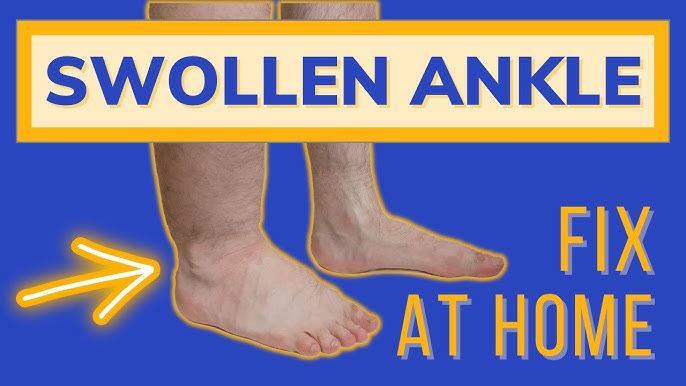
Not all ankle swelling is equal. Knowing what to look for helps you decide when to wait it out and when to seek help.
| Symptom | What It May Indicate |
|---|---|
| Swelling in both ankles, no pain | Venous insufficiency, diet, prolonged sitting |
| Swelling in one ankle only | DVT, sprain, infection |
| Swelling with shortness of breath | Heart failure — see a doctor immediately |
| Swelling with fever and redness | Infection or cellulitis |
| Swelling during pregnancy with headache | Possible preeclampsia — emergency |
| Pitting edema (dent stays when pressed) | Heart, kidney, or liver disease |
| Ankle swelling in the evening only | Common venous insufficiency |
| Swelling with skin discoloration | Chronic venous disease, stasis dermatitis |
Pitting edema is when you press your finger into the swollen area and the indentation stays for a few seconds.
This type of swelling is more likely linked to systemic conditions like heart failure, kidney disease, or liver problems. Non-pitting edema, where no dent is left, is more common with lymphedema or thyroid disorders.
Most mild ankle swelling that comes and goes is not dangerous. But there are clear warning signs you should never ignore.
See a doctor right away if you notice:
Go to the emergency room immediately if you suspect DVT, pulmonary embolism, or preeclampsia.
Your doctor will conduct a physical exam and ask about your symptoms, history, and lifestyle. Tests they may order include:
Treatment depends entirely on the underlying cause. Here is a full overview:
Many cases of ankle swelling respond well to simple lifestyle changes and at-home care.
Preventing recurrent ankle swelling involves consistent habits, especially if you have an underlying condition.
What you eat plays a major role in fluid retention. Here is a quick reference:
| Food Type | Examples | Benefit |
|---|---|---|
| Potassium-rich | Bananas, avocado, spinach | Flushes out excess sodium |
| Magnesium-rich | Almonds, pumpkin seeds, quinoa | Reduces fluid retention |
| Anti-inflammatory | Salmon, turmeric, ginger, berries | Reduces systemic inflammation |
| Diuretic foods | Cucumber, celery, asparagus, lemon water | Promotes natural fluid drainage |
| High-water foods | Watermelon, cucumber, oranges | Supports hydration and kidney function |
Foods to avoid: processed meats, canned soups, fast food, salty snacks, alcohol, and excessive caffeine.
Older adults are more prone to ankle swelling because circulation naturally slows with age and vein valves weaken. Regular gentle exercise, compression socks, and leg elevation are the primary management strategies.
Mild swelling is normal throughout pregnancy, but sudden or severe swelling — particularly in only one leg or accompanied by headaches and visual disturbances — must be treated as an emergency. Always report new or worsening swelling to your OB-GYN.
Diabetic neuropathy reduces pain sensation, meaning foot and ankle swelling can progress without the person realizing the severity. Daily foot inspections, prompt wound care, and blood sugar control are essential.
Athletes may experience post-exercise ankle swelling due to increased blood flow and minor soft tissue trauma. RICE (Rest, Ice, Compression, Elevation) is the standard first response. Persistent swelling after activity warrants professional evaluation.
For ankle swelling caused by a sprain or injury, follow RICE immediately:
End-of-day swelling is usually caused by fluid accumulating in your lower legs due to gravity after hours of sitting or standing. It is one of the most common signs of venous insufficiency.
Mild ankle swelling is often harmless, but swelling in one leg only, swelling with chest pain or breathlessness, or sudden severe swelling can indicate dangerous conditions like DVT or heart failure.
Yes. Staying well-hydrated helps your kidneys flush out excess sodium, which is a major driver of fluid retention. Aim for 8 to 10 glasses of water daily.
Elevating your legs above heart level and wearing compression stockings are the fastest at-home remedies. A doctor can prescribe diuretics for quicker relief in medical cases.
Heat causes blood vessels in the skin to dilate, allowing more fluid to leak into surrounding tissues — particularly in the lower legs where gravity works against drainage.
Yes. High-sodium foods cause the body to retain water, which often shows up as puffiness in the ankles and feet. A low-sodium diet is one of the most effective preventive measures.
Yes. Compression stockings apply graduated pressure that supports vein function and prevents fluid from pooling in the ankles. They are particularly effective for venous insufficiency and long travel.
Go to the emergency room if you have swelling in one leg with pain and redness (possible DVT), swelling with shortness of breath or chest pain (possible heart failure), or sudden severe swelling during pregnancy (possible preeclampsia).
Yes. Blood pressure medications (especially calcium channel blockers), contraceptive pills, steroids, antidepressants, and certain hormonal therapies can cause fluid retention and ankle swelling as a side effect.
Mild swelling from sitting too long or eating salty food may resolve within hours to a day. Injury-related swelling can last days to weeks. Swelling linked to chronic conditions like heart or kidney disease will persist until the underlying cause is treated.
Why do my ankles swell — the answer ranges from something as simple as a salty meal to something as serious as heart failure. The good news is that most cases of ankle swelling are manageable.
Elevating your legs, wearing compression stockings, cutting back on sodium, staying active, and drinking enough water are all effective first steps.
For swelling that is persistent, sudden, affects one leg only, or comes with other symptoms like chest pain, fever, or breathlessness, always seek medical attention without delay.
Working with your doctor to identify the root cause is the only way to get lasting relief. The sooner you act, the better your outcome — whether that means a simple diet change or a course of prescribed medication.