
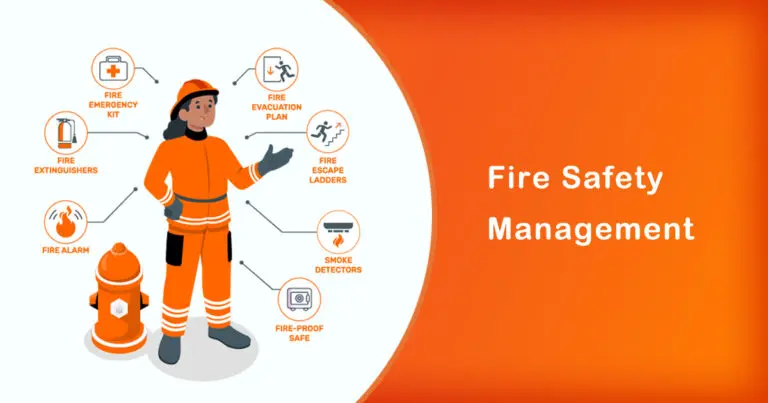
Why is understanding the risks and hazards associated with fires important is a question every homeowner, employer, and community member should be able to answer confidently.
Fires can ignite in seconds, spread within minutes, and destroy lives, property, and livelihoods before help even arrives. Without a solid understanding of fire risks and hazards, people cannot prevent fires, cannot respond effectively, and cannot protect the people they are responsible for.
Most people use “fire risk” and “fire hazard” interchangeably. They are not the same thing — and knowing the difference is the first step toward meaningful fire safety.
A fire hazard is any material, condition, or action that increases the likelihood of a fire starting or spreading. Examples include faulty wiring, flammable liquids, overloaded power outlets, and improperly stored chemicals.
A fire risk is the probability that a fire hazard will actually cause a fire — combined with the severity of the harm that fire could cause, including injuries, deaths, and property damage.
Put simply: a fire hazard creates a fire risk. Without a hazard present, there is little to no risk of fire. Understanding both concepts is the foundation of every effective fire safety plan.
Understanding the risks and hazards associated with fires is important because it saves lives, prevents destruction, protects businesses, supports legal compliance, and builds stronger, more resilient communities. Every single benefit of fire safety awareness flows from this one core principle.
Here is a detailed look at every major reason why this knowledge matters so deeply in 2026.
The single most powerful benefit of understanding fire risks and hazards is prevention. Most fires are entirely preventable — if people know what to look for.
When individuals recognize that overloaded electrical outlets, unattended cooking, and improperly stored flammable materials are fire hazards, they take corrective action. They unplug unused devices, turn off stoves, and store chemicals safely away from heat sources.
According to the US National Fire Protection Association (NFPA), fire departments respond to an emergency every 23 seconds in the United States. A significant proportion of those incidents could have been avoided with basic fire risk awareness.
Understanding fire behavior does not just help prevent fires — it saves lives when fires do occur. In a fire emergency, seconds matter more than almost anything else.
A room fire can grow from a small flame to a fully engulfed inferno in under 30 seconds. Temperatures at ceiling level can exceed 1,200°F (650°C). Skin begins to suffer permanent burns at just 160°F (71°C).
Knowing how fires spread, how smoke rises, how to crawl low under toxic smoke, and when to shelter in place versus when to evacuate — this knowledge directly determines whether people escape or are trapped. Most fire deaths are caused by smoke inhalation and toxic gases, not the flames themselves.
Fires cause an estimated $15 to $18 billion in property damage every single year in the United States alone. For individual families and businesses, a single fire event can be financially catastrophic.
Understanding the risks and hazards associated with fires helps homeowners and businesses protect their physical assets. Regular inspections, proper storage of flammable materials, maintained fire suppression systems, and working smoke detectors all significantly reduce property damage when a fire occurs.
For businesses specifically, the financial consequences of a fire extend far beyond damaged equipment. Lost data, halted operations, legal liability, insurance claims, and reputational damage can threaten the entire business’s survival.
The workplace is one of the most fire-prone environments that people encounter daily. Electrical equipment, industrial chemicals, cooking areas, storage warehouses, and manufacturing processes all create significant fire hazards.
OSHA requires employers to maintain workplaces free from recognized hazards that are likely to cause death or serious physical harm — and fire hazards are among the most commonly cited violations. Employers who understand fire risks can put proper controls in place before OSHA inspections or, more importantly, before a fire incident occurs.
Fatal fire-related workplace injuries happen every two hours in the United States. Nonfatal injuries occur every 36 minutes. These numbers underscore exactly why understanding the risks and hazards associated with fires is not optional for any business.
A formal fire risk assessment is only as good as the knowledge behind it. Understanding what constitutes a fire hazard — and what the resulting risks are — is the foundation of every effective assessment.
Fire risk assessments identify ignition sources, fuel sources, and oxygen pathways in a given environment. They evaluate who is at risk, what protective measures are already in place, and what additional actions are needed. Without genuine understanding of fire risks and hazards, this process becomes a checkbox exercise rather than a life-saving tool.
NFPA 551 and OSHA fire safety standards provide structured frameworks for fire hazard assessment in professional settings. These standards are regularly updated — including significant changes in 2026 that expand hazard mitigation requirements for energy storage systems and electrical safety.
When a fire starts, people who understand fire behavior make better decisions. They ask themselves the right questions at the right moments.
Should I open this door? (Check for heat first — a hot door means fire is on the other side.) Is this the right fire extinguisher for this type of fire? Should I fight this fire or evacuate immediately? Is it safe to use the elevator?
These are not instinctive responses — they are learned ones. Training and education built on solid fire risk knowledge replace panic with purposeful action. That shift in behavior is the difference between a controlled evacuation and a fatal one.
In virtually every country, fire safety compliance is a legal obligation. Employers, landlords, building managers, and public facility operators all carry legal responsibility for fire safety in the spaces they control.
Understanding fire risks and hazards is the prerequisite for meeting those legal obligations. It drives the installation of smoke detectors, fire suppression systems, clearly marked emergency exits, and the maintenance of unobstructed evacuation routes.
Failure to comply with fire safety regulations results in hefty fines, forced closures, and in the event of a fire-related death or injury, potential criminal liability. Understanding fire hazards is not just ethically responsible — it is legally required.
Organizations that understand fire risks build cultures of safety. That culture is expressed through regular fire drills, fire safety training sessions, visible safety signage, and clear emergency action plans.
Fire drills might feel routine and even tedious. But they are one of the most powerful tools available for reducing fire fatalities. When people practice evacuation routes under calm conditions, they are far more likely to follow those routes correctly under the stress and disorientation of a real fire.
Understanding fire risks and hazards gives fire safety training genuine content and context — moving it far beyond a compliance exercise into real, applicable knowledge that saves lives.
Fire risk awareness is not just an individual or organizational concern. When entire communities understand fire hazards — from local residents to fire departments to municipal planners — they become collectively more resilient.
Community fire resilience means faster emergency response times, better-designed evacuation routes, stronger mutual aid systems between neighbors, and more effective communication during fire emergencies. It means communities recover faster after fires and experience fewer preventable incidents overall.
Local fire departments, community organizations, and government agencies all play a role in building this resilience. And it all begins with understanding the risks and hazards associated with fires at every level of the community.
Fire hazards are not static. They evolve as technology, building design, and climate conditions change. Understanding fire risks and hazards in 2026 means staying current with emerging threats.
Lithium-ion battery fires from electric vehicles, e-bikes, and consumer electronics are now among the fastest-growing categories of fire incidents. These fires burn extremely hot, are difficult to extinguish, and can reignite hours after appearing to be out.
Wildfire risk continues to grow due to climate change, with more frequent and intense wildfire seasons affecting communities far beyond traditional fire zones.
Smart building technologies introduce new electrical fire hazards from interconnected systems, while also offering new detection and suppression capabilities.
The 2026 edition of NFPA 855 now makes Hazard Mitigation Analysis (HMA) the default requirement for energy storage system installations, directly reflecting these evolving risks.
Not all fires are the same — and fighting the wrong type of fire with the wrong extinguisher can make it dramatically worse. Understanding fire hazard classes is a core element of fire risk awareness.
| Fire Class | Fuel Type | Examples | Extinguisher Type |
|---|---|---|---|
| Class A | Ordinary combustibles | Wood, paper, cloth, plastics | Water, foam, dry chemical |
| Class B | Flammable liquids and gases | Gasoline, propane, oil, paint | CO2, dry chemical, foam |
| Class C | Electrical equipment | Computers, wiring, appliances | CO2, dry chemical (non-conductive) |
| Class D | Combustible metals | Magnesium, sodium, potassium | Dry powder (special agents) |
| Class K | Cooking oils and fats | Deep fryer grease, vegetable oil | Wet chemical |
Using a water extinguisher on a Class C electrical fire can cause electrocution. Using water on a Class B grease fire spreads the burning liquid. Knowing fire classes is not academic trivia — it is potentially life-saving knowledge.
Understanding the risks and hazards associated with fires begins with knowing where the most common hazards actually live. Many are hiding in plain sight.
Cooking is the leading cause of home fires — accounting for nearly half of all residential fire incidents. Unattended stovetops and ovens are the most frequent culprits.
Electrical fires from faulty wiring, overloaded circuits, and damaged appliance cords are the second most common category. Extension cords used as permanent wiring are a particularly frequent cause.
Heating equipment — space heaters placed too close to flammable materials, unserviced furnaces, and blocked dryer vents — rounds out the top three causes of home fires in the United States.
Other significant home fire hazards include:
Workplaces introduce a broader and often more complex range of fire hazards, particularly in industrial, laboratory, and food service environments.
Electrical hazards are the most common workplace fire risk — poorly maintained equipment, overloaded circuits, and inadequate grounding all create significant ignition potential. The 2026 NEC updates now require enhanced arc-flash labeling to improve decision-making around electrical hazard management.
Flammable and combustible materials in warehouses, manufacturing floors, and laboratories create severe fire hazards when improperly stored or handled. These require specific Class B or Class D extinguisher coverage and careful storage controls.
Other major workplace fire hazards include:
Understanding fire behavior at a scientific level is central to understanding why fire risks and hazards matter so urgently.
Fire requires three elements — fuel, heat, and oxygen — known as the fire triangle. Remove any one of these, and the fire cannot continue. This is exactly why fire suppression systems work: CO2 suppresses oxygen, water cools the heat, and foam barriers cut off fuel contact with air.
Once ignited, a fire can double in size every minute under favorable conditions. Toxic smoke — carbon monoxide, hydrogen cyanide, and other combustion gases — spreads through a building far faster than flames, often reaching escape routes before occupants can react.
In less than 30 seconds, a small fire can become completely uncontrollable. In two minutes, it can become life-threatening. In five minutes, a structure can be fully involved. This timeline is precisely why early detection, rapid response, and practiced evacuation plans are so critical to fire safety outcomes.
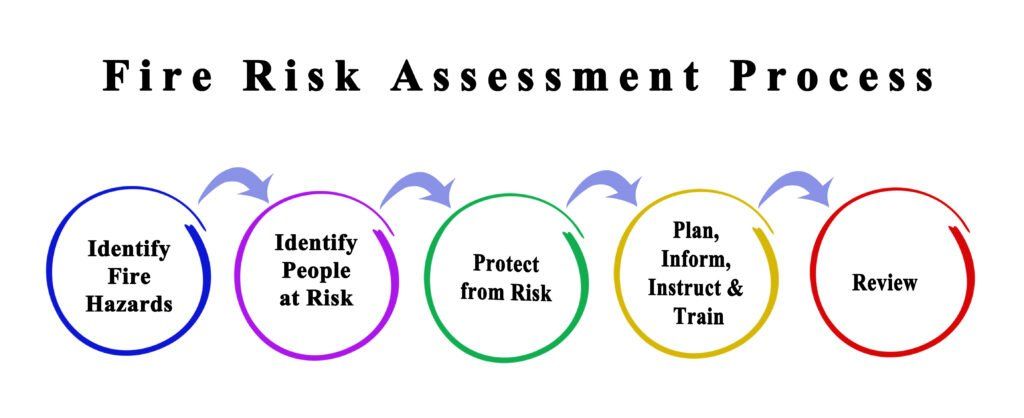
Understanding the risks and hazards associated with fires empowers individuals and organizations to conduct meaningful fire risk assessments. While professional assessments are required in many regulated settings, a basic self-assessment is valuable for any home or small business.
Step 1: Identify fire hazards. Walk through the space and identify all potential ignition sources, fuel sources, and oxygen sources. Look for electrical hazards, flammable materials, heating equipment, and cooking areas.
Step 2: Identify who is at risk. Consider all people who could be affected — employees, visitors, customers, residents, people with mobility challenges, and anyone who might be present outside regular hours.
Step 3: Evaluate the risks. Assess the likelihood of a fire starting from each hazard and the potential severity of the consequences. Prioritize higher-probability, higher-consequence risks for immediate action.
Step 4: Implement controls. Put preventive measures in place — proper storage of flammable materials, installation of smoke detectors, maintenance of extinguishers, clearing of evacuation routes, and staff training.
Step 5: Document and review. Record findings and actions taken. Schedule regular reviews — at least annually or after any significant change to the building, occupancy, or operations.
Understanding fire risks drives smart investment in the right fire safety equipment. These are the non-negotiables for any home or commercial space.
| Equipment | Purpose | Minimum Requirement |
|---|---|---|
| Smoke alarms | Early fire detection | Every floor, inside every bedroom |
| Carbon monoxide detectors | CO gas detection | Near sleeping areas, attached garages |
| Fire extinguishers | First-response suppression | Every floor; correct class for environment |
| Fire blankets | Smothering small fires | Kitchen and cooking areas |
| Emergency exit signs | Evacuation guidance | All exit routes and corridors |
| Sprinkler systems | Automatic fire suppression | Commercial buildings (required by code) |
| Fire escape ladders | Multi-floor home evacuation | Every upper-floor bedroom |
Smoke alarms reduce the risk of dying in a home fire by more than 50%. Despite this, millions of homes either lack working smoke alarms or have alarms with dead batteries. Understanding fire risks motivates people to maintain this life-saving equipment.
Fire drills are often dismissed as routine interruptions to the workday. This attitude is one of the most dangerous misconceptions in fire safety culture.
In a real fire emergency, people revert to trained behavior — not to logical analysis. Panic, smoke, noise, and disorientation all impair decision-making dramatically. People who have practiced evacuation routes multiple times under calm conditions navigate those routes far more effectively under emergency stress.
Fire safety training should cover fire hazard identification, correct use of fire extinguishers, evacuation procedures, assembly point locations, how to assist vulnerable individuals, and how to communicate with emergency services.
Organizations that conduct regular fire drills and comprehensive safety training consistently report fewer fire-related injuries and faster, more orderly evacuations when real incidents occur.
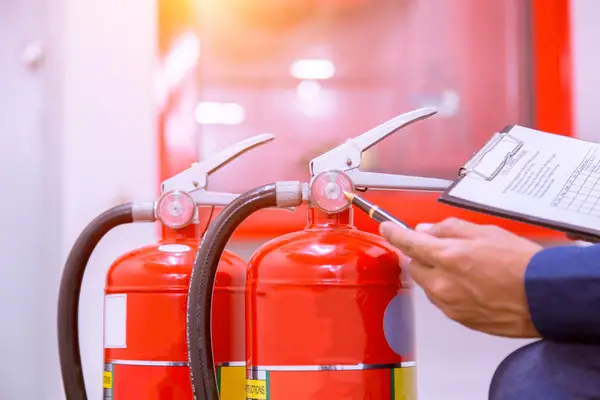
Different environments carry different fire risk profiles. Understanding those specific risks is critical to tailoring effective safety responses.
Home fires kill more than 2,500 people in the United States every year. The highest-risk times are at night when occupants are asleep — making working smoke alarms in every bedroom absolutely non-negotiable.
Kitchen fire safety, safe candle use, proper disposal of smoking materials, and regular maintenance of heating equipment are the highest-priority areas for home fire risk management.
Workplaces must comply with OSHA fire safety regulations and maintain current emergency action plans. Every workplace must have clearly marked evacuation routes, accessible fire extinguishers, and trained staff who know how to respond.
High-risk workplaces — including those handling flammable chemicals, operating industrial equipment, or running food service operations — require specialized fire risk assessments conducted by qualified professionals.
Schools and public buildings carry the added responsibility of protecting vulnerable populations including children, elderly visitors, and people with disabilities.
Regular fire drills, accessible evacuation routes, working fire suppression systems, and clear communication protocols are all essential components of fire safety in these environments.
Industrial settings concentrate fire hazards — flammable chemicals, high-temperature processes, electrical systems under heavy load, and large quantities of combustible materials all coexist in close proximity.
Industrial fire risk assessments are among the most complex and consequential in fire safety practice. They require specialist expertise, detailed documentation, and regular review as operations and materials change.
Understanding the risks and hazards associated with fires is most powerful when it becomes embedded in culture — in homes, organizations, and communities — rather than remaining an occasional compliance activity.
A genuine fire safety culture is one where people report hazards they notice, where fire drills are taken seriously, where safety equipment is maintained and tested regularly, and where everyone understands their role in prevention and response.
Building this culture begins with education. When people genuinely understand why fire risks matter — when they have seen the data on fire fatalities, property losses, and the speed at which fires escalate — they take fire safety seriously in their daily actions.
Leadership plays a critical role in workplaces and communities. When managers, supervisors, and community leaders model fire safety behavior, it communicates clearly that this is a priority — not a box to check.
It is important because it prevents fires before they start, saves lives during emergencies, protects property, supports legal compliance, and builds more resilient communities. Without this understanding, neither prevention nor effective response is possible.
A fire hazard is any material or condition that could cause or worsen a fire — like faulty wiring or flammable materials. A fire risk is the probability that the hazard will cause a fire and the severity of potential harm that results.
Unattended cooking is the leading cause of home fires. Electrical faults, heating equipment placed near combustibles, candles, and improperly discarded smoking materials are also among the most frequent home fire causes.
The five classes are Class A (ordinary combustibles), Class B (flammable liquids and gases), Class C (electrical equipment), Class D (combustible metals), and Class K (cooking oils and fats). Using the correct extinguisher type for each class is critical.
A fire can become uncontrollable in under 30 seconds, life-threatening in two minutes, and can fully engulf a structure within five minutes. Toxic smoke typically spreads faster than flames and is the leading cause of fire fatalities.
A fire risk assessment identifies fire hazards, evaluates who is at risk, and determines what controls are needed. In most countries, all non-domestic premises are legally required to have a current fire risk assessment conducted by a competent person.
Every home needs working smoke alarms on every floor and inside every bedroom, at least one fire extinguisher, a carbon monoxide detector near sleeping areas, and an agreed family evacuation plan with at least two escape routes.
Smoke contains carbon monoxide, hydrogen cyanide, and other toxic gases that cause disorientation, loss of consciousness, and death — often before flames reach victims. Most fire fatalities are caused by smoke inhalation, not direct contact with fire.
Fire drills train people to evacuate quickly and correctly under calm conditions, building muscle memory that functions even under the panic and disorientation of a real fire. Organizations with regular fire drills experience fewer fire-related injuries and faster evacuations.
Lithium-ion battery fires from electric vehicles and consumer electronics are among the fastest-growing fire hazard categories in 2026. The 2026 NFPA 855 updates and NEC arc-flash labeling changes reflect how fire risk awareness must evolve alongside technology.
Understanding the risks and hazards associated with fires is important at every level — for individuals protecting their families, for employers protecting their workers, for communities protecting their most vulnerable members, and for society as a whole.
Fire does not discriminate. It can strike any building, any workplace, any home, at any time. But fire is also highly preventable when people are educated, prepared, and equipped with the right knowledge.
From recognizing common ignition sources to knowing how to operate a fire extinguisher, from conducting formal risk assessments to running regular fire drills — every act of fire risk awareness reduces the probability of tragedy.
In 2026, as fire hazards evolve and new risks emerge, the importance of this knowledge only grows. Invest in fire safety education today, and you are investing in something that genuinely cannot be measured — the safety of the people around you.