
Why do my gums hurt in one spot is a question that thousands of people search for every single day in 2026. Localized gum pain is different from general mouth soreness because it points to something specific happening in one exact area.
It could be as simple as a popcorn kernel stuck under the gumline or as serious as an infected abscess that needs urgent dental care.
The good news is that most causes of gum pain in one spot are completely treatable when you catch them early.

Localized gum pain means the discomfort is limited to one specific area rather than affecting your whole mouth. This is actually an important clue because it tells you something targeted is going on in that exact spot.
Unlike general gum soreness caused by hormonal changes or illness, pain in one spot usually has a single identifiable cause. It could be a physical irritant, an early infection, a dental problem, or tissue damage in that area.
The pain can feel sharp, throbbing, stinging, or like a dull constant ache. It may be worse when eating, brushing, or when your tongue touches the area. It can appear suddenly or build gradually over a few days.
Most cases of gum pain in one spot are not emergencies. But pain that lasts more than 48–72 hours, gets progressively worse, or is accompanied by swelling, pus, or fever always needs professional dental attention.
There are many reasons why your gums might hurt in just one place. Here is a complete breakdown of the most common causes, their symptoms, and what to do about each one.
This is one of the most frequent causes of sudden pain in one specific spot on the gums. A piece of food — often a popcorn kernel, fruit seed, chip fragment, or piece of meat — gets wedged between the teeth or under the gumline.
The trapped food presses on the gum tissue and creates irritation, tenderness, and swelling in that exact area. If it stays there, bacteria begin to grow around it, increasing the risk of infection.
The fix is simple: gently floss the area and rinse thoroughly with warm saltwater. Avoid using sharp objects like toothpicks to dig at the gumline, as this can cause more damage.
Canker sores are small, shallow ulcers that form on the soft tissues of the mouth, including the gums. They cause sharp, stinging pain that feels concentrated in one exact spot even though the sore itself is tiny.
They are triggered by stress, hormonal changes, minor mouth injuries, acidic or spicy foods, or nutritional deficiencies like low vitamin B12 or iron. They are not contagious.
Most canker sores heal on their own within 7–10 days. Avoid spicy and acidic foods while healing, and use an over-the-counter gel containing benzocaine to numb the area for short-term relief.
Brushing too hard or using a hard-bristled toothbrush can scratch, bruise, or cut the gum tissue in a single area. The damage creates localized tenderness that feels worse when you press the area.
Sharp foods like tortilla chips, crusty bread, hard crackers, or nutshells can also nick or scratch the gum in one precise spot. The injury causes immediate pain that can persist for a few days.
Switch to a soft-bristled toothbrush and use gentle circular brushing motions. Give the area a few days to heal, rinsing with saltwater to keep bacteria away from the wound.
A dental abscess is a pocket of bacterial infection that develops at the root of a tooth or within the gum tissue itself. It is one of the most serious causes of gum pain in one spot and requires prompt professional treatment.
The pain from an abscess is typically deep, throbbing, constant, and can be severe. You may also notice a small bump or pimple-like swelling on the gum near the painful area, a bad taste in your mouth, swollen lymph nodes in the neck, or fever.
An abscess will not heal on its own. It needs to be drained and treated by a dentist. Depending on the severity, treatment may involve root canal therapy, antibiotic medication, or tooth extraction. Do not delay seeking care for a suspected abscess.
Gingivitis is the earliest and most reversible stage of gum disease. It starts when plaque — a sticky film of bacteria — builds up along the gumline in an area that is not being cleaned thoroughly enough.
The affected area becomes red, puffy, and tender. It may bleed slightly when you brush or floss. The pain feels concentrated in one spot because the inflammation has not yet spread to the rest of the gumline.
The good news is that gingivitis is fully reversible with improved oral hygiene and a professional dental cleaning. Brushing twice daily, flossing once daily, and using an antibacterial mouthwash can reverse early gingivitis within a few weeks.
If gingivitis is not treated, it progresses into periodontitis. At this stage, the infection has moved below the gumline and is damaging the bone and connective tissue that hold the teeth in place.
Localized periodontitis can cause persistent deep pain in one spot, gum recession around a specific tooth, bad breath, a bad taste in the mouth, and teeth that feel loose. The gum may also look darker or more purple than the surrounding tissue.
Periodontitis cannot be reversed with brushing alone. Professional treatment including deep cleaning (scaling and root planing) is required. In advanced cases, surgery may be needed to restore the damaged tissue and bone.
When wisdom teeth are erupting or partially impacted, the surrounding gum tissue becomes irritated and inflamed. This condition is called pericoronitis and causes localized pain, swelling, and tenderness at the very back of the mouth.
The gum flap that partially covers the erupting wisdom tooth can trap food and bacteria underneath, leading to infection. The pain can radiate to the jaw, ear, and throat on the same side.
Rinsing with warm saltwater can provide temporary relief. Your dentist will assess whether the wisdom tooth needs to be monitored or extracted based on its position and the degree of impaction.
Gum recession happens when the gum tissue pulls away from the tooth, exposing the sensitive root surface underneath. The exposed root is much more sensitive than the enamel-covered crown of the tooth.
This creates pain or sensitivity in one specific area, particularly when eating cold, hot, sweet, or acidic foods. It can also feel tender to touch or during brushing.
Recession can be caused by aggressive brushing, gum disease, genetics, or teeth grinding (bruxism). Treatment depends on severity and may include changing brushing habits, using desensitizing toothpaste, or a gum graft procedure in more serious cases.
A poorly fitting crown, filling, bridge, or denture can rub against and irritate the adjacent gum tissue. This creates soreness and tenderness in one localized area near the dental work.
The edges of a restoration that are too sharp or too low can press into the gum. Braces and orthodontic wire ends that have shifted can also poke the gum and create a painful spot.
Your dentist can adjust or re-fit the restoration to eliminate the irritation. This is a straightforward fix once the cause is identified.
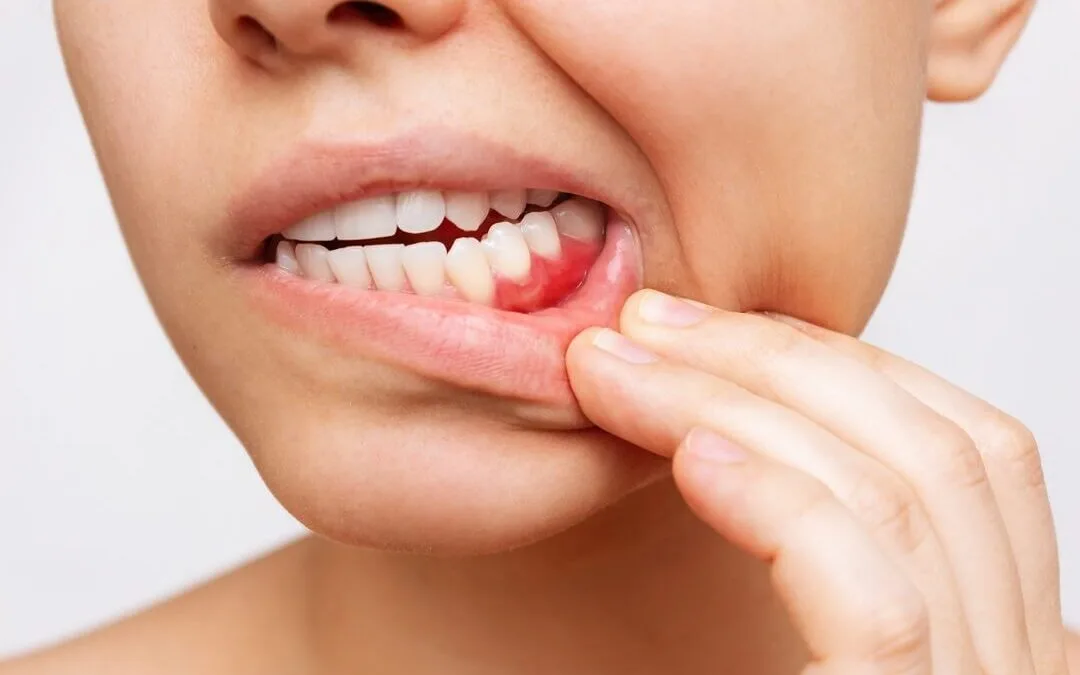
Hormonal fluctuations during puberty, menstruation, pregnancy, or menopause can increase blood flow to the gum tissue and make gums more sensitive and reactive. This can cause tenderness or pain in areas where there is already minor plaque buildup.
Pregnancy gingivitis is particularly common, affecting a significant number of pregnant women. The gums in specific areas may feel swollen, sore, and bleed easily during this time.
Maintaining excellent oral hygiene during hormonal changes is critical. A professional cleaning during pregnancy is completely safe and strongly recommended.
Low levels of vitamin C, vitamin B12, or folic acid can cause gum tissue to become more fragile, inflamed, and painful. Scurvy (severe vitamin C deficiency) is rare today but even mild deficiency can lead to tender, easily irritated gums.
If your gum pain is widespread but seems worse in one spot, and you have dietary gaps or follow a restrictive diet, vitamin deficiency is worth considering. A blood test from your doctor can confirm this.
Increasing your intake of vitamin C-rich foods like citrus fruits, bell peppers, and broccoli, along with B12 sources like eggs, dairy, and meat, can support gum healing.
Smoking cigarettes or using smokeless tobacco (chewing tobacco, dip, or snuff) causes direct chemical irritation to the gum tissue. Smokeless tobacco placed between the cheek and gum causes concentrated tissue damage in that exact spot.
Tobacco use also reduces blood flow to the gums, slows healing, and dramatically increases the risk of gum disease, tooth loss, and oral cancer. Pain in one gum spot from tobacco use should be examined by a dentist to rule out more serious tissue changes.
Quitting tobacco significantly improves gum health within a short period and reduces all associated risks.
Bruxism is habitual teeth grinding or jaw clenching, usually during sleep. The constant pressure it places on specific teeth and their surrounding gum tissue can cause localized soreness.
The pain tends to be worst in the morning and concentrated near the teeth that bear the most grinding force. People with bruxism often also notice jaw soreness, headaches, and worn-down tooth surfaces.
A custom nightguard made by your dentist prevents the upper and lower teeth from grinding together and dramatically reduces the pressure on gum tissue.
| Cause | Main Symptom | Urgency Level |
|---|---|---|
| Trapped food | Tenderness after eating | Low — try flossing first |
| Canker sore | Sharp sting, visible ulcer | Low — heals in 1–2 weeks |
| Brushing injury | Tender spot, possible scratch | Low — rest and saltwater |
| Gum abscess | Throbbing pain, bump, bad taste | High — see dentist immediately |
| Gingivitis | Redness, slight bleeding | Medium — dental cleaning needed |
| Periodontitis | Deep pain, recession, bad breath | High — professional treatment needed |
| Wisdom tooth / pericoronitis | Back of mouth pain, jaw swelling | Medium to High — dentist evaluation |
| Gum recession | Sensitivity to temperature | Medium — dentist review |
| Ill-fitting dental work | Pain near crown or filling | Medium — dentist adjustment |
| Hormonal changes | Tenderness, easy bleeding | Low to Medium — improve hygiene |
| Vitamin deficiency | Fragile, inflamed gums | Low to Medium — dietary fix |
| Tobacco use | Chronic irritation one area | Medium — dentist examination |
| Bruxism | Morning soreness near molars | Medium — nightguard from dentist |
Some causes of gum pain in one spot are genuine dental emergencies. These signs mean you should contact a dentist or emergency dental clinic the same day.
You have a visible bump or pimple on the gum near the painful spot. This is a classic sign of an abscess forming and needs to be drained before the infection spreads.
The pain is throbbing, constant, and getting significantly worse rather than better. This pattern points to an active infection that is intensifying.
You have swelling on the face, jaw, or neck alongside the gum pain. Swelling that spreads outside the mouth means the infection may be spreading to deeper tissues, which is a serious medical situation.
You have a fever, feel generally unwell, or notice swollen lymph nodes in the neck. These are signs that the infection has gone beyond the local site and is affecting the whole body.
You notice pus or a bad taste in your mouth that seems to come from around a specific tooth. Pus is always a sign of active bacterial infection requiring professional intervention.
Not every case of gum pain in one spot requires an emergency visit. But most cases still deserve professional attention within a few days if they do not improve.
See a dentist within 2–3 days if:
The pain has lasted more than 48 hours without any sign of improvement despite home care. Persistent localized pain usually means the cause is not going to resolve on its own.
You notice bleeding from one specific spot when brushing or flossing repeatedly. Recurring bleeding in one area is an early sign of localized gum disease.
There is visible redness, puffiness, or swelling around one tooth that was not there before. Swelling without pain can still indicate infection or early disease.
You have had recent dental work and the area near the filling, crown, or extraction site is still painful after several days. Post-procedure pain beyond the expected healing window needs to be evaluated.
Pro tip: Take a photo of the painful gum area under good lighting before your dentist appointment. This helps your dentist understand what the gum looked like at its worst, especially if symptoms fluctuate.
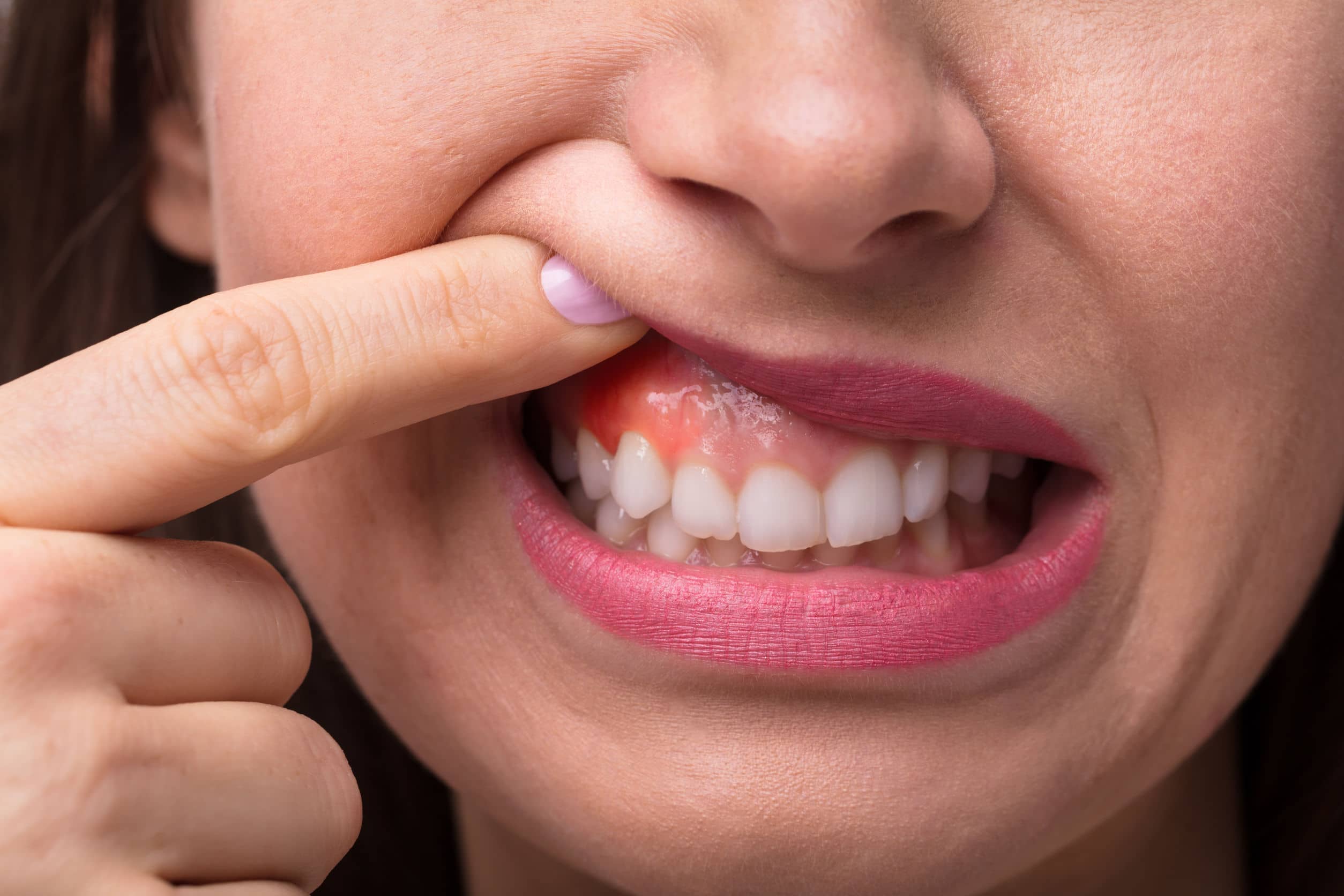
Before visiting the dentist, doing a basic home assessment can give you useful information about the cause and severity.
Step 1: Look at the gum in a mirror. Use a small flashlight or your phone’s torch. Look for visible redness, white patches, ulcers, swelling, bumps, or any cut or scratch on the gum surface.
Step 2: Identify the exact location. Note which tooth or teeth the pain is nearest to. Front, back, upper, or lower jaw. This helps your dentist target the examination quickly.
Step 3: Press the area gently. Using a clean finger, press lightly on the gum around the painful spot. Note if the pain is on the surface or seems deeper. Check if pressing produces a bad taste (which could indicate an abscess).
Step 4: Check for loose teeth. Gently try to wiggle the nearest tooth. Any movement that was not there before suggests advanced gum disease or bone loss.
Step 5: Try to floss the area. Gentle flossing can remove trapped food particles and confirm whether food impaction was the cause. If flossing relieves the pain quickly, food was likely the culprit.
If the gum pain is mild and you are waiting for a dentist appointment, several home remedies can provide temporary relief and reduce inflammation.
Warm Saltwater Rinse
Mix half a teaspoon of salt into a glass of warm water. Rinse your mouth for 30 seconds, focusing on the painful area, then spit it out. Repeat 2–3 times a day, especially after meals. Saltwater is a natural disinfectant that reduces bacteria and calms inflamed tissue.
Cold Compress
Wrap a few ice cubes in a clean cloth or use a gel ice pack. Hold it against the outside of your cheek over the painful area for 10–15 minutes. Cold reduces swelling and numbs the nerve endings temporarily. This works best for acute pain and visible swelling.
Clove Oil
Clove oil contains eugenol, a natural anesthetic compound. Apply a tiny amount directly to the painful gum spot using a cotton swab and leave it for a few minutes. Do not use clove oil for more than a few days consecutively as it can irritate tissue with overuse.
Turmeric Paste
Mix a quarter teaspoon of turmeric powder with a few drops of water to form a thick paste. Apply it gently to the sore gum with a clean fingertip, leave for 5 minutes, then rinse thoroughly. Turmeric has anti-inflammatory and antibacterial properties that can calm irritated tissue.
Hydrogen Peroxide Rinse
Mix equal parts of 3% hydrogen peroxide and water. Swish gently around the mouth for 20 seconds, then spit and rinse with plain water. This kills surface bacteria and helps clean minor wounds on the gum. Do not swallow and do not use more than once a day.
Over-the-Counter Numbing Gels
Benzocaine gels such as Orajel can be applied directly to the painful gum spot for temporary numbing relief. These are useful for managing discomfort while waiting for a dental appointment. They do not treat the underlying cause but make it easier to eat and sleep.
Ibuprofen or Acetaminophen
Over-the-counter anti-inflammatory medications like ibuprofen (Advil, Nurofen) can reduce both pain and gum inflammation. Take as directed on the packaging. Ibuprofen is generally preferred for gum pain because it targets inflammation directly, not just pain.
Important: None of these home remedies treat the underlying cause. They are management tools only. If the pain does not improve within 2–3 days, stop self-treating and see a dentist.
What your dentist recommends will depend entirely on what is causing the gum pain. Here is an overview of the most common professional treatments:
| Cause | Professional Treatment |
|---|---|
| Trapped food or debris | Professional cleaning and irrigation |
| Canker sore | Prescription steroid gel or laser treatment for severe cases |
| Gum abscess | Incision and drainage, antibiotics, root canal or extraction |
| Gingivitis | Scale and polish, oral hygiene instruction |
| Periodontitis | Scaling and root planing, antimicrobial therapy, possible surgery |
| Wisdom tooth pain | Monitoring, antibiotics for infection, or tooth extraction |
| Gum recession | Desensitizing treatment, gum graft surgery for advanced cases |
| Ill-fitting dental work | Crown or filling adjustment or replacement |
| Bruxism | Custom nightguard, Botox for jaw muscles in severe cases |
| Pericoronitis | Irrigation under the gum flap, antibiotics, or extraction |
Scaling and Root Planing is the most common procedure for gum disease. The dentist removes plaque and tartar from below the gumline and smooths the root surface to prevent bacteria from reattaching. It is done under local anesthesia and usually requires two appointments.
Antibiotics may be prescribed alongside other treatments for active gum infections. They come as oral tablets, topical gels placed directly into the gum pocket, or antimicrobial mouthwashes.
Root Canal Treatment is necessary when the infection has reached the inside of the tooth. The dentist removes the infected pulp, cleans the canal, and seals the tooth. It relieves the gum pain caused by an abscess at the root.
The best treatment is prevention. Here is how to keep your gums pain-free and healthy long term.
Brush correctly twice a day. Use a soft-bristled toothbrush and gentle circular motions at a 45-degree angle to the gumline. Do not scrub back and forth aggressively. Two minutes per session is the recommended standard.
Floss every single day. This is the single most important habit for preventing localized gum pain. Flossing removes food and plaque from the areas your toothbrush physically cannot reach — especially between teeth and under the gumline.
Use an antibacterial mouthwash. An alcohol-free mouthwash containing chlorhexidine or cetylpyridinium chloride kills bacteria throughout the mouth, including in areas your brush and floss may miss.
Visit your dentist every 6 months. Professional cleanings remove calcified tartar that no amount of home brushing can remove. Early detection of gingivitis, recession, and early-stage lesions prevents much bigger problems.
Eat a tooth-friendly diet. Reduce sugar and acidic foods that feed harmful oral bacteria. Increase water intake to prevent dry mouth. Include vitamin C and B12-rich foods to support gum tissue integrity and healing.
Quit tobacco. Smoking and smokeless tobacco are among the biggest risk factors for gum disease, gum recession, and oral cancer. Quitting tobacco rapidly improves gum health and dramatically reduces all associated risks.
Wear a nightguard if you grind. If your dentist has identified signs of bruxism, using a nightguard prevents the pressure damage to gums and teeth that grinding causes overnight.
Pain without visible swelling can still indicate trapped food, a canker sore, a minor gum injury, or early infection below the surface. If it lasts more than 48 hours, see a dentist.
Yes. A cracked tooth, infected root, or cavity in one tooth can cause the surrounding gum to feel sore and inflamed in that exact area without affecting other parts of the mouth.
Gum cancer is rare but possible. A sore that does not heal after 2–3 weeks, appears as a white or red patch, bleeds without cause, or has hard edges should be examined by a dentist immediately to rule out oral cancer.
Recurring pain in the same spot usually means there is an ongoing cause such as a partially impacted tooth, chronic food trapping, ill-fitting dental work, or a periodontal pocket that needs professional treatment.
Yes. Stress lowers the immune response, making gums more vulnerable to infection. Stress also triggers canker sores and increases teeth grinding (bruxism), both of which can cause localized gum pain.
If the pain has not improved after 48–72 hours of home care, or if it is getting worse at any point, you should schedule a dental appointment without further delay.
A canker sore causes a sharp surface sting and has a visible white or yellow center. An abscess causes deep, throbbing, constant pain and may have a visible bump on the gum. Abscesses are always more serious and need urgent care.
No. Never try to pop or drain a gum abscess at home. This can spread the infection to deeper tissues. A dentist must drain it safely under proper conditions with appropriate instruments.
Pain triggered by eating is often caused by trapped food, exposed root surfaces sensitive to temperature and pressure, a loose or cracked filling near that tooth, or a developing abscess that becomes more painful with chewing pressure.
Vitamin deficiency typically causes more widespread gum issues, but it can make an already-irritated spot feel significantly worse and slow down healing. A blood test and dietary adjustment can help identify and correct the deficiency.
Why do my gums hurt in one spot has many possible answers, and most of them are very treatable when caught early. From a simple piece of trapped food to a developing gum abscess, the cause matters greatly because each one requires a different approach.
Never ignore gum pain that lasts more than 48–72 hours, comes with swelling or pus, or keeps returning in the same location. Home remedies like saltwater rinses, cold compresses, and clove oil can help manage mild pain temporarily, but they do not fix the root cause.
The most important step you can take for your gum health in 2026 is to see a dentist early, maintain daily brushing and flossing, and never skip your regular dental cleanings. Your gums are the foundation of your entire smile — protect them.
Once your foundational oral health is restored, you can confidently shift your focus toward cosmetic enhancements. To find local clinics that balance health and aesthetics, you can search for a phrase like teeth whitening Virginia Beach VA or dentist near me.