
Why does the top of my mouth hurt when I eat is a question millions of people search for every year, and the answer is rarely one-size-fits-all.
The roof of the mouth, medically known as the palate, is made up of sensitive tissue that reacts quickly to heat, pressure, infection, and injury.
Pain in this area can range from a mild, temporary sting to persistent, deep discomfort that signals something more serious.
The roof of your mouth is called the palate, and it has two distinct sections. The hard palate is the bony, firm section at the front, and the soft palate is the fleshy, flexible section at the back.
Both sections are covered with a thin layer of mucous membrane that is highly sensitive to heat, abrasion, infection, and pressure. Because all food and drink pass directly over this area, it is constantly exposed to potential irritants.
When something goes wrong with any part of the palate, eating, swallowing, and even speaking can become uncomfortable very quickly.
The mucosal lining of the palate is thinner and more delicate than most people realize. It has a dense network of nerve endings that make it one of the most sensation-rich surfaces in the entire body.
Saliva normally acts as a protective barrier, lubricating the palate and flushing away irritants. When saliva production drops or the tissue becomes damaged, that protection disappears and pain follows almost immediately.
The combination of constant food contact, thin tissue, and rich nerve supply explains why even a small injury or mild infection in this area can feel disproportionately painful.
A burn is the single most common reason the top of your mouth hurts when eating. Hot pizza, soup, coffee, or tea can scorch the delicate mucosal lining of the hard palate within a fraction of a second.
The burnt tissue becomes raw, red, and extremely tender for several days after the initial injury. Even lukewarm food can feel painful because the damaged nerve endings remain hypersensitive throughout the healing process.
Most palate burns heal completely within three to seven days. The key is avoiding further heat exposure and giving the tissue uninterrupted time to repair itself.
Tortilla chips, crusty bread, crackers, pretzels, taco shells, and hard candy are frequent offenders. The sharp or jagged edges of these foods can scratch, cut, or bruise the soft tissue on the roof of your mouth during chewing.
These small abrasions may seem minor but become intensely noticeable at mealtimes because every bite and swallow drags food directly across the injured area.
Switching to softer foods for two to three days allows the scrape to heal cleanly. Continuing to eat sharp or hard foods prolongs the injury and prevents recovery.
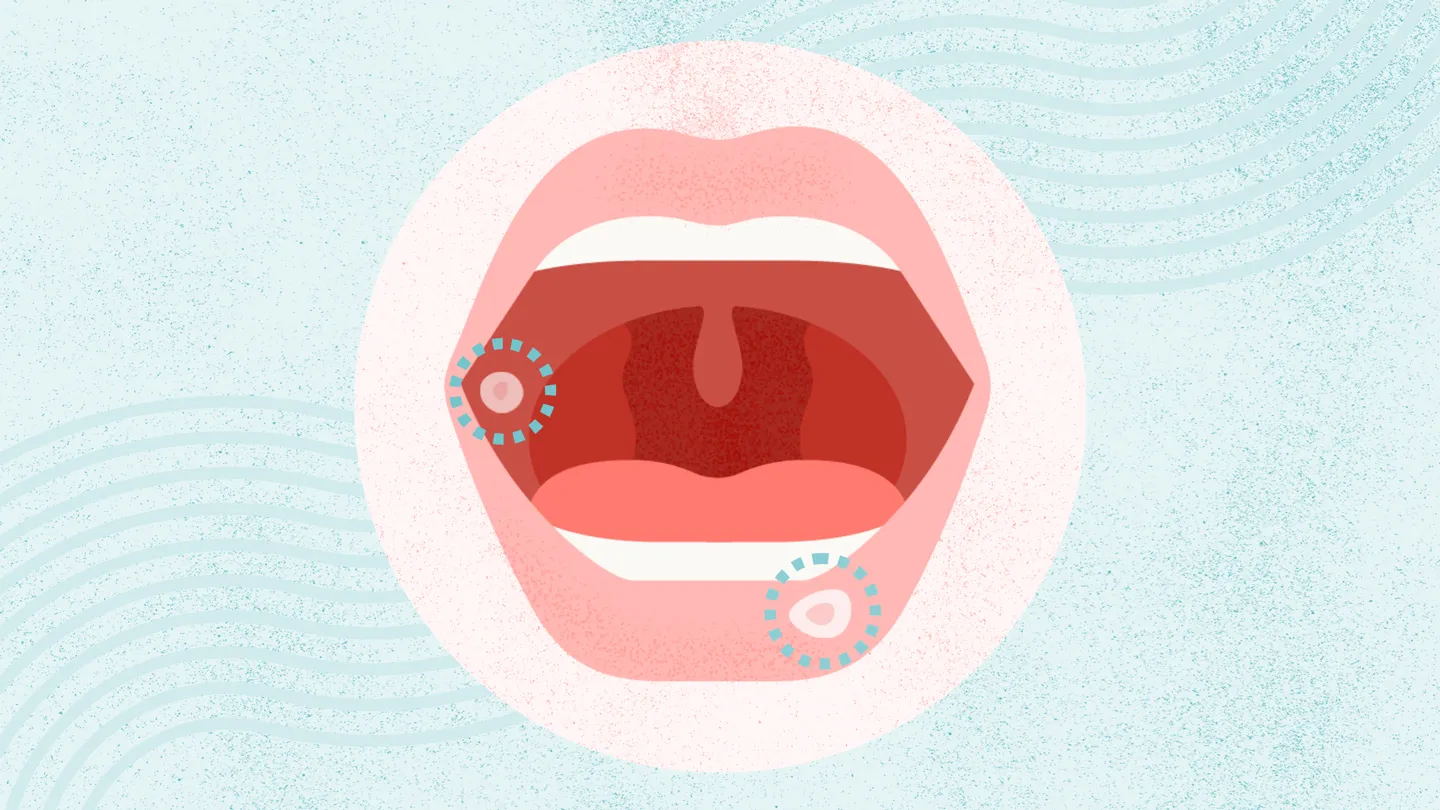
Canker sores, also known as aphthous ulcers, are small round or oval wounds that develop on the soft tissue inside the mouth. They can appear on the roof of the mouth, the gums, the cheeks, and the tongue.
They are typically white or yellow in the center with a red border, and they cause a sharp, burning pain that intensifies dramatically when food, especially salty, acidic, or spicy food, contacts the sore.
| Canker Sore Type | Size | Healing Time | Frequency |
|---|---|---|---|
| Minor aphthous ulcer | Under 1 cm | 7 to 10 days | Most common type |
| Major aphthous ulcer | Over 1 cm | 2 to 6 weeks | Less common, more painful |
| Herpetiform ulcer | Cluster of tiny sores | 1 to 2 weeks | Rare, often mistaken for herpes |
Canker sores are not contagious and are not caused by the herpes virus. Triggers include stress, minor mouth injuries, hormonal changes, certain foods, and vitamin deficiencies, particularly B12, folate, and iron.
Oral thrush is a fungal infection caused by an overgrowth of Candida albicans yeast inside the mouth. It commonly appears as creamy white or yellow patches on the tongue, inner cheeks, and the roof of the mouth.
The patches are tender and can bleed slightly when scraped. Hot, spicy, or acidic foods aggravate the infection significantly, which is why people with oral thrush often notice sharp pain specifically when eating.
Oral thrush is more common in people who wear dentures, use corticosteroid inhalers, have recently taken antibiotics, or have a weakened immune system. Treatment involves antifungal medications prescribed by a doctor or dentist.
Cold sores are caused by the herpes simplex virus type 1, better known for causing lip blisters. However, HSV-1 can also cause blisters and ulcers on the hard palate inside the mouth.
These intraoral cold sores cause intense burning, tingling, and pain especially during eating. They typically heal within one to two weeks but can recur whenever the immune system is under stress, during illness, fatigue, or high-stress periods.
Unlike canker sores, cold sores are contagious. Antiviral medications can shorten the duration and severity of outbreaks when started at the first sign of tingling or discomfort.
Dry mouth, the medical term for which is xerostomia, occurs when the salivary glands do not produce enough saliva to keep the mouth moist. Without adequate saliva, the palate loses its protective lubrication and becomes vulnerable to irritation and minor injuries.
Food rubbing against an unlubricated, dry palate creates friction that quickly becomes painful, especially with textured or slightly rough foods. Dry mouth also increases the risk of oral infections because saliva contains enzymes that fight bacteria and fungi.
| Common Causes of Dry Mouth | Examples |
|---|---|
| Medications | Antihistamines, antidepressants, blood pressure drugs, diuretics |
| Dehydration | Insufficient water intake, excessive caffeine, alcohol |
| Medical conditions | Diabetes, Sjogren’s syndrome, HIV/AIDS |
| Mouth breathing | Sleep apnea, nasal congestion, habit |
| Cancer treatment | Radiation to head or neck, chemotherapy |
Staying well hydrated, using alcohol-free mouthwash, chewing sugar-free gum to stimulate saliva, and addressing the underlying cause are the primary management strategies.
Dentures, retainers, palate expanders, and other dental appliances that sit against the roof of the mouth can cause persistent pressure sores and friction injuries if they do not fit correctly.
The hard plate of a denture pressing against the palate creates repetitive trauma with every bite of food. Over time this causes inflammation, sores, and ongoing pain that worsens significantly at mealtimes.
A dental visit for appliance adjustment is the only effective solution. Home attempts to reshape or pad dentures are not recommended as they can worsen the damage to the palate tissue.
Eating certain foods can trigger an immediate immune response in the soft tissues of the mouth, including the palate. This condition is sometimes called oral allergy syndrome or pollen-food allergy syndrome.
Common triggers include raw fruits, tree nuts, shellfish, peanuts, dairy products, and certain food additives and preservatives. Symptoms include tingling, itching, swelling, and soreness on the roof of the mouth, lips, and tongue within minutes of eating the trigger food.
Most mild reactions resolve on their own. However, if swelling spreads rapidly, breathing becomes difficult, or the throat tightens, this is an anaphylactic emergency requiring immediate emergency medical attention, specifically epinephrine and a call to emergency services.
The sinuses sit directly above the hard palate, separated by only a thin layer of bone and tissue. When the sinuses become inflamed or infected, the resulting pressure can radiate downward, creating pain in the roof of the mouth.
This referred pain is often described as a dull, persistent ache in the hard palate rather than a sharp or stinging sensation. It tends to worsen when bending forward, chewing, or swallowing, as these actions increase sinus pressure.
Treating the sinus infection with decongestants, saline rinses, or antibiotics prescribed by a doctor resolves the palate pain as the sinus inflammation subsides.
A dental abscess is a pocket of bacterial infection that forms at the root of a tooth or in the surrounding gum tissue. When an upper tooth develops an abscess, the infection can spread upward, causing referred pain in the roof of the mouth.
This type of pain is typically deeper, more throbbing, and more persistent than surface-level palate pain. It may be accompanied by swelling, a foul taste, fever, or visible gum swelling near the affected tooth.
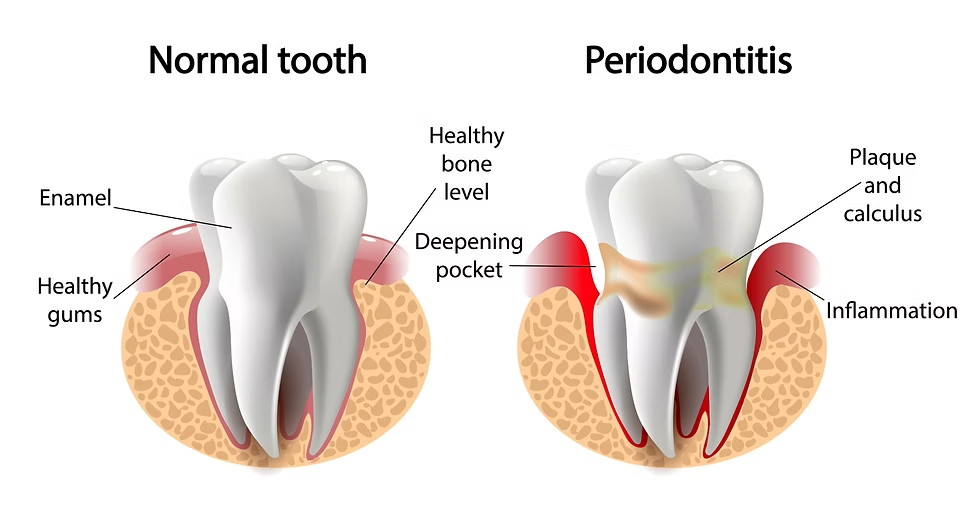
Advanced gum disease (periodontitis) in the upper jaw can similarly cause inflammation and pain that radiates to the hard palate. Both conditions require professional dental treatment and cannot be resolved with home remedies alone.
Torus palatinus is a benign bony overgrowth that develops along the midline of the hard palate. It is a harmless anatomical variation present in roughly 20 to 30 percent of the population.
Most people with torus palatinus never experience pain. However, the bony protrusion can be scraped or irritated by hard foods, causing soreness that feels alarming even though the underlying condition is completely benign.
In cases where the growth is very large or causes repeated injury during eating, a dentist or oral surgeon can remove it through a minor surgical procedure.
Deficiencies in key vitamins and minerals can cause recurring sores, inflammation, and general soreness in the oral mucosa, including the palate. The most common deficiencies linked to mouth pain include:
| Deficiency | How It Affects the Mouth |
|---|---|
| Vitamin B12 | Mouth ulcers, burning tongue, sore palate tissue |
| Iron | Mouth ulcers, pale gums, inflammation of oral tissue |
| Folate (Vitamin B9) | Recurring canker sores, inflamed mucosa |
| Vitamin C | Bleeding gums, slow healing of mouth injuries |
| Zinc | Impaired healing, oral ulcers, altered taste |
| Vitamin D | Increased susceptibility to oral infections |
If you experience recurring palate pain without an obvious cause, a blood test to check for nutritional deficiencies is a logical first step before pursuing more complex investigations.
Burning mouth syndrome is a chronic condition that causes a persistent burning sensation in the mouth, most commonly affecting the tongue, lips, gums, and the roof of the mouth. It is more common in postmenopausal women.
The pain may be present all day, worsen during eating, or fluctuate unpredictably. Unlike most other causes of palate pain, burning mouth syndrome leaves no visible sores, ulcers, or tissue damage despite causing significant discomfort.
The exact cause is not fully understood but is linked to nerve damage, hormonal changes, nutritional deficiencies, and psychological factors including anxiety and depression. Treatment typically requires a multidisciplinary approach involving a dentist, neurologist, or specialist.
Oral cancer, while far less common than other causes on this list, can develop on the roof of the mouth. It may appear as a persistent sore that does not heal, a red or white patch, a lump, or an area of thickened tissue.
Pain from an oral cancer lesion on the palate typically worsens gradually over weeks or months, does not resolve between eating sessions, and may be accompanied by difficulty swallowing, unexplained bleeding, or a feeling that something is stuck in the throat.
The American Cancer Society estimates approximately 58,450 new cases of oral cavity and oropharyngeal cancer annually in the United States. Early detection dramatically improves outcomes, which is why any sore that does not heal within two weeks must be evaluated by a dental professional or doctor.
Electrolytes, including sodium, potassium, magnesium, and calcium, are minerals that regulate fluid balance and tissue health throughout the body. When these minerals fall out of balance due to illness, excessive sweating, alcohol use, or inadequate nutrition, the mucous membranes of the mouth can become swollen, tender, and more susceptible to injury.
Dehydration compounds this effect by reducing saliva flow and leaving the palate dry, raw, and unprotected. Drinking at least 2 liters of water daily and consuming electrolyte-rich foods like bananas, avocados, and leafy greens helps maintain healthy oral tissue.
Not all palate pain feels the same. The character and timing of the pain can provide important clues about the likely cause before you see a professional.
| Pain Type | Likely Cause |
|---|---|
| Sharp, immediate pain on first bite | Burn, injury, canker sore, cold sore |
| Dull, constant ache during chewing | Abscess, sinus pressure, ill-fitting appliance |
| Burning sensation without visible sore | Burning mouth syndrome, dry mouth |
| Pain with white or yellow patches | Oral thrush, herpes, canker sore |
| Pain worsening with acidic or spicy food | Canker sore, thrush, allergy, injury |
| Persistent sore lasting more than 2 weeks | Oral cancer, major aphthous ulcer, chronic infection |
| Pain above upper teeth specifically | Dental abscess, sinus infection |
| Pain after eating certain foods only | Food allergy, oral allergy syndrome |
Using this table alongside your symptoms can help you arrive at a conversation with your dentist or doctor already knowing what to ask about.
Many causes of palate pain respond well to simple home care, particularly when the injury is minor and there are no signs of infection or systemic illness.
Dissolve half a teaspoon of salt in eight ounces of warm water and rinse gently for 30 seconds, two to three times daily. Salt water reduces bacterial load, soothes inflammation, and promotes healing of minor sores and abrasions.
Do not swallow the rinse and avoid water that is too hot, as heat will worsen burns or inflamed tissue.
Drinking adequate water keeps saliva flowing and prevents the dry, unprotected palate surface from becoming further irritated. Aim for at least eight glasses of water daily while your mouth heals.
Avoid alcohol, caffeinated beverages, tobacco, and mouthwashes containing alcohol, all of which dry the oral tissues and delay healing.
Cold foods like yogurt, smoothies, and ice cream reduce inflammation and numb the area temporarily, providing meaningful relief for burns and minor sores. Eating softer foods like mashed potatoes, oatmeal, scrambled eggs, and soup removes the mechanical trauma of hard, sharp, or textured foods against the injured palate.
Staying on a soft food diet until the pain resolves completely, typically three to seven days for minor injuries, is the single most effective thing you can do to speed recovery.
Topical oral anesthetic gels containing benzocaine are available at most pharmacies without a prescription. Applying a small amount directly to the sore area temporarily numbs the tissue and makes eating and drinking more comfortable.
These gels are a symptom management tool only. They do not treat the underlying cause and should not be used as a substitute for professional evaluation when pain is persistent.
If recurring canker sores or persistent oral inflammation suggests a nutritional deficiency, taking a high-quality B-complex vitamin supplement alongside a vitamin C supplement can support tissue healing and immune function.
Always consult a healthcare provider before starting any supplement regimen, particularly if you take other medications, as interactions can occur.
When home remedies are not enough or the cause requires professional intervention, several effective treatments are available.
| Condition | Professional Treatment |
|---|---|
| Oral thrush | Prescription antifungal medication (nystatin, fluconazole) |
| Herpes cold sores | Antiviral medication (acyclovir, valacyclovir) |
| Dental abscess | Root canal treatment, tooth extraction, antibiotics |
| Ill-fitting dentures | Appliance adjustment or refitting by dentist |
| Major canker sores | Topical corticosteroids, cauterization, mouth rinse |
| Oral cancer | Biopsy, surgery, radiation, chemotherapy |
| Burning mouth syndrome | Antidepressants, alpha lipoic acid, CBT, specialist referral |
| Sinus infection | Antibiotics or antifungals, decongestants, saline irrigation |
| Torus palatinus | Surgical removal if causing repeated injury |
| Nutritional deficiency | Blood test, targeted supplementation, dietary adjustment |
Most causes of palate pain are manageable and treatable. The key is not delaying professional evaluation when symptoms persist or worsen.
Certain foods dramatically slow healing and intensify pain. Avoiding these while your palate recovers is one of the most practical things you can do.
| Foods to Avoid | Why They Make It Worse |
|---|---|
| Hot coffee, tea, soup | Heat aggravates burns and inflamed tissue |
| Tortilla chips, crackers, crusty bread | Sharp edges re-injure already damaged tissue |
| Citrus fruits and juices | Acid irritates ulcers and open sores |
| Spicy foods and hot sauces | Capsaicin intensifies burning and inflammation |
| Salty snack foods | Salt in wounds causes significant stinging pain |
| Alcohol | Dries oral tissue and slows healing |
| Hard candy or ice | Mechanical trauma and temperature extremes |
| Carbonated drinks | Acidity and carbonation irritate sensitive tissue |
Replacing these with neutral, soft, room-temperature foods creates the optimal healing environment for the palate.
Many cases of palate pain are short-lived and resolve on their own within a week. However, some situations require prompt professional attention.
You should see a dentist or doctor if your pain has lasted more than two weeks without improving, if you notice white patches, red patches, or a lump that was not there before, or if you experience any of the following:
These red flag symptoms require a clinical examination, and in some cases, a biopsy or imaging, to rule out serious conditions including oral cancer.
The most common causes are burns from hot food, scratches from hard or sharp foods, canker sores, oral thrush, and dry mouth. If pain lasts more than two weeks or comes with visible sores or swelling, see a dentist or doctor.
A mild burn on the palate typically heals within three to seven days. Avoid hot, spicy, and acidic foods during recovery, and rinse gently with warm salt water two to three times daily to speed healing.
Yes, canker sores can appear anywhere on the soft tissue inside the mouth, including the hard and soft palate. They are not contagious, usually heal within 7 to 14 days, and can be triggered by stress, minor injuries, or nutritional deficiencies.
Oral thrush appears as creamy white or yellowish patches on the palate, tongue, or inner cheeks. The patches may be slightly raised and can bleed if scraped. A dentist or doctor can confirm the diagnosis and prescribe antifungal medication.
Yes, the sinuses sit directly above the hard palate, and sinus inflammation or infection can refer pain downward to the roof of the mouth. The pain is usually described as a dull, persistent ache that worsens when bending forward or chewing.
Pain alone is rarely an early sign of oral cancer. However, a persistent sore, lump, red or white patch, or area of numbness on the palate that does not heal within two weeks should be evaluated immediately by a dental professional to rule out cancer.
A warm salt water rinse two to three times daily, switching to a soft and cool food diet, staying well hydrated, and applying an over-the-counter oral anesthetic gel directly to the sore area are the most effective home remedies for minor palate pain.
Yes, dry mouth (xerostomia) removes the protective saliva layer from the palate, leaving it vulnerable to friction and irritation during eating. Food rubbing against a dry, unlubricated palate creates soreness that worsens throughout the meal.
Pain only during swallowing that affects the soft palate and back of the mouth is often linked to a throat infection, tonsillitis, sinus infection, or inflammation in the upper palate. A doctor or ENT specialist is best placed to assess this specific pattern.
See a dentist or doctor if pain lasts more than two weeks, if you notice white patches, a persistent lump, or spontaneous bleeding, if swallowing becomes difficult, if you have a fever alongside the pain, or if the discomfort is worsening rather than improving over time.
Why does the top of my mouth hurt when I eat is a question with many possible answers, ranging from a simple burn or food scratch that heals in days to more complex conditions like oral thrush, dental abscess, or burning mouth syndrome that require professional treatment.
The palate is one of the most sensitive and heavily used surfaces in the entire body, which is why even minor injuries there can feel significant. In most cases, a soft food diet, warm salt water rinses, and adequate hydration are enough to resolve minor palate pain within a week.
However, persistent pain that lasts beyond two weeks, visible patches or growths that were not there before, or pain accompanied by swelling, fever, or difficulty swallowing must never be ignored in 2026.
Early diagnosis and treatment are always better than waiting and wondering. Consult your dentist or doctor promptly when any of these warning signs appear, as your oral health is a direct reflection of your overall wellbeing.