
Why does my tongue hurt on the side — this is one of the most frequent oral health questions people ask in 2026. The sides of the tongue are highly sensitive because they are in constant contact with teeth, dental appliances, and the foods and drinks you consume every day.
Side tongue pain can range from a minor irritation that fades in a few days to a persistent ache that signals a deeper condition. Understanding exactly what is causing the pain is the fastest path to real relief.

The tongue is one of the most active muscles in the human body. It helps you chew, swallow, taste, and speak every single day without rest.
The lateral edges — the sides — of the tongue are particularly exposed. They sit directly against the upper and lower molars and are constantly rubbing against tooth surfaces during eating and talking.
This constant contact makes the sides of the tongue the most likely location for soreness, ulcers, cuts, and irritation to develop compared to any other part of the tongue.
There are many reasons your tongue may hurt on the side. Some resolve on their own within days. Others need professional dental or medical attention.
| Cause | Type | Typical Duration |
|---|---|---|
| Accidental bite or trauma | Physical injury | 3–7 days |
| Canker sores (aphthous ulcers) | Immune / stress-related | 7–14 days |
| Cold sores (herpes simplex virus) | Viral infection | 2–4 weeks |
| Oral thrush (Candida) | Fungal infection | With antifungal treatment |
| Sharp tooth or dental appliance | Physical irritation | Until source is fixed |
| Geographic tongue | Inflammatory condition | Recurring / chronic |
| Glossitis | Inflammation | With treatment of cause |
| Burning mouth syndrome | Nerve / hormonal | Chronic, ongoing |
| Nutritional deficiency | Dietary | With supplementation |
| Oral lichen planus | Autoimmune | Managed, not cured |
| Acid reflux (GERD) | Digestive | With medication |
| Oral allergy syndrome | Allergic reaction | Passes quickly |
| Oral cancer | Serious | Needs urgent care |
This is the most common cause of side tongue pain. You can accidentally bite the side of your tongue while eating, talking, or even during sleep if you grind your teeth.
The bite wound creates immediate swelling, redness, and a raw sore spot. Even a small bite can feel surprisingly painful because the tongue has thousands of nerve endings concentrated along its edges.
Most bite injuries heal completely within 3 to 7 days. Rinsing with warm saltwater several times a day speeds up healing and reduces the chance of infection developing in the wound.
Sometimes the pain is not caused by the tongue itself but by something constantly rubbing against it. A chipped tooth, broken crown, jagged filling, or rough dental restoration can repeatedly scrape the side of the tongue during every meal and conversation.
Dental appliances like braces, retainers, dentures, and mouthguards can also press against the tongue’s lateral edges. Even a slight misalignment can cause persistent soreness over days or weeks.
The pain will not go away until the source of irritation is removed or adjusted. Your dentist can smooth sharp tooth edges and reline or adjust any appliance that is causing the friction.
Addressing these structural issues quickly prevents chronic tissue irritation and the formation of painful ulcers. According to this experienced dentist in Yorktown VA, securing professional adjustments not only restores immediate comfort but also safeguards the long-term integrity of your oral cavity.
Canker sores are small, shallow ulcers that appear on the soft tissues inside the mouth — including the sides of the tongue. They are one of the most frequent causes of why the tongue hurts on one side.
They typically appear as round or oval spots that are white or yellow in the center with a red, inflamed border. They cause significant burning pain, especially when eating, drinking, or talking.
Triggers include emotional stress, hormonal fluctuations, minor oral injuries, acidic or spicy foods, and low immune function. Most heal within 7 to 14 days without treatment. Recurring or unusually large canker sores may benefit from prescription topical steroids.
Cold sores are caused by the herpes simplex virus type 1 (HSV-1). While they most commonly appear on the lips, they can also develop on the sides of the tongue and inside the mouth.
They begin with a tingling or burning sensation before small, fluid-filled blisters appear. These blisters are contagious and are triggered by stress, illness, sun exposure, or a weakened immune system.
Antiviral medications like acyclovir or valacyclovir can shorten the duration and reduce severity. Cold sores typically heal in 2 to 4 weeks, but the virus remains dormant in the body and can reactivate at any time.
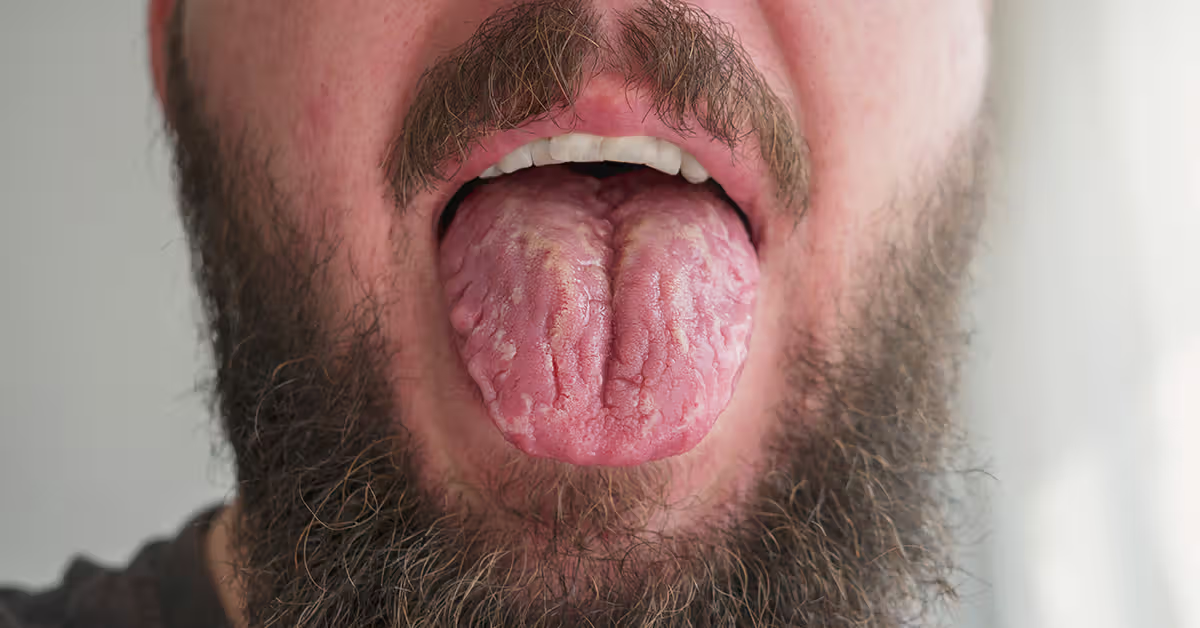
Oral thrush is a fungal infection caused by an overgrowth of Candida albicans — a yeast naturally present in the mouth in small amounts. When immune defenses are lowered, this yeast overgrows and causes painful white patches on the tongue, including along the sides.
It is more common in people who use corticosteroid inhalers, take antibiotics, have diabetes, or have a weakened immune system. Alongside white or cream-colored patches, symptoms include soreness, taste changes, and pain during swallowing.
Prescription antifungal medications — such as nystatin oral suspension or fluconazole tablets — are the standard treatment. Oral thrush will not resolve on its own and should be treated promptly.
Geographic tongue is a benign inflammatory condition that causes smooth, red patches on the surface and sides of the tongue. These patches form a map-like pattern with irregular white or yellow borders.
The patches appear to move or change location from day to day as old areas heal and new ones form. The prevalence of geographic tongue is estimated between 1.41% and 2.29% of the population according to large national health surveys.
Geographic tongue is non-cancerous and not contagious. However, it can cause sensitivity and pain — particularly on the sides of the tongue — when exposed to spicy, acidic, or salty foods. Stress is a well-documented trigger for symptom flare-ups.
Glossitis is a general term for inflammation of the tongue. It can make the tongue swell, turn red, lose its normal papillae (the small bumps on the surface), and become quite painful along its sides and edges.
Causes include bacterial or viral infections, nutritional deficiencies, allergic reactions to oral care products or foods, exposure to alcohol or tobacco, and systemic health conditions.
Treatment targets the underlying cause. Vitamin deficiency-related glossitis resolves with supplementation. Infection-related glossitis clears up with antibiotics or antifungals. Most cases of glossitis improve significantly once the root cause is addressed.
Burning mouth syndrome causes a persistent burning, stinging, or tender sensation in the mouth — including on the sides of the tongue — without any visible injury or infection.
It is significantly more common in women and occurs most frequently during or after menopause. The burning sensation can be mild or intense, and typically worsens throughout the day before easing at night.
Possible contributing factors include hormonal changes, nerve damage, dry mouth, nutritional deficiencies, acid reflux, and certain medications. Treatment is individualized and may include low-dose antidepressants, B vitamin supplementation, saliva replacement products, and stress management.
Low levels of certain vitamins and minerals directly affect the health and comfort of your tongue. Deficiency-related tongue pain is particularly common among people with restricted diets, absorption problems, or long-term medication use.
| Nutrient | Effect of Deficiency on the Tongue |
|---|---|
| Vitamin B12 | Sore, inflamed tongue; smooth texture loss |
| Iron | Pale, smooth, and painful lateral tongue |
| Folate (B9) | Mouth ulcers; tender tongue sides |
| Zinc | Slow healing of tongue sores |
| Vitamin C | Increased susceptibility to oral ulcers |
A simple blood test can identify which nutrients are low. Supplementing the correct deficiency usually brings noticeable tongue improvement within 2 to 4 weeks.
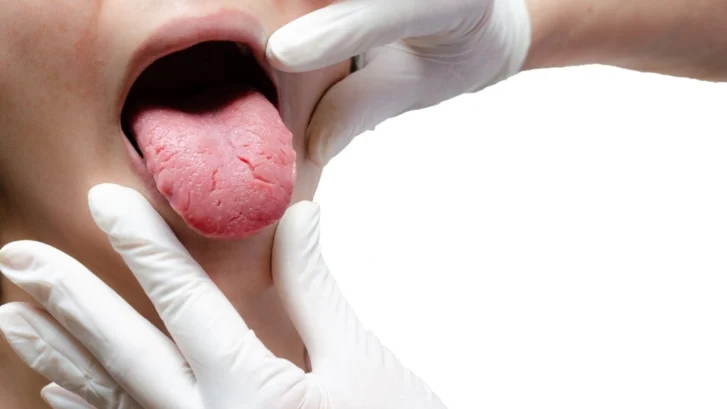
Oral lichen planus is a chronic inflammatory condition that affects the lining of the mouth, including the sides of the tongue. It appears as white, lacy streaks (Wickham’s striae) or red, raw, painful patches.
The exact cause is not fully understood, but it is believed to involve an abnormal immune response. Stress and dental plaque can both worsen symptoms. About two-thirds of people with this condition experience sensitivity to spicy or acidic foods.
Mild cases may not need treatment. More severe or painful cases benefit from prescription topical corticosteroids or medicated mouth rinses. Oral lichen planus requires monitoring because in rare cases it may be associated with a slightly increased risk of oral cancer over time.
Gastroesophageal reflux disease (GERD) allows stomach acid to travel up the esophagus and into the mouth. This acidic exposure irritates and burns the soft tissues of the tongue, especially the sides, which are thinner and more delicate.
People with GERD often notice a sour or burning taste in their mouth on waking, along with a sore or raw feeling along the tongue edges. The condition tends to worsen with certain foods, lying down after eating, and high-stress periods.
Managing GERD with dietary changes, elevating the head of your bed, and medications like proton pump inhibitors (PPIs) or antacids will reduce tongue irritation significantly.
Oral Allergy Syndrome — also called pollen-food syndrome — causes tingling, itching, or burning on the tongue and inside the mouth immediately after eating certain raw foods.
It is most often triggered by raw fruits (apples, peaches, cherries), raw vegetables (carrots, celery), and tree nuts. It is common in people who have seasonal pollen allergies because the immune system confuses food proteins with pollen.
Symptoms are usually mild and pass within minutes. Cooking the trigger food often reduces the reaction. In rare cases, more severe reactions can occur and may need emergency medical attention.
Stress does not just affect your mental state — it has a direct physical impact on your mouth. High stress levels suppress the immune system, making canker sores, cold sores, and oral infections more likely to flare up on the sides of the tongue.
Stress also drives teeth clenching and bruxism (grinding), which puts continuous pressure and friction on the lateral tongue edges throughout the day and night. This physical pressure creates soreness, indentations, and raw spots.
Managing stress through regular sleep, physical exercise, mindfulness, and, when needed, professional support is genuinely part of oral health care. The link between stress and mouth pain is well established in clinical research.
Tongue-tie is a condition where the band of tissue connecting the underside of the tongue to the floor of the mouth is shorter or tighter than normal. This restricts tongue movement.
When the tongue has limited range of motion, it can press unevenly against the teeth and create friction along the sides. This can cause recurring soreness and discomfort, particularly during eating and speaking.
In cases where tongue-tie causes significant pain, speech problems, or feeding difficulties, a simple surgical procedure called a frenotomy can release the tissue and restore normal tongue movement.
While rare, persistent or worsening pain on one side of the tongue can in uncommon cases indicate oral cancer. Tongue cancer most often develops on the lateral (side) edges of the tongue.
Key risk factors include tobacco use, heavy alcohol consumption, long-term HPV infection, and a history of other oral cancers. It typically begins as a painless lump or sore that gradually becomes painful.
If a sore on the side of your tongue does not heal within two weeks, grows larger, or is accompanied by unexplained numbness, bleeding, or a lump in the neck — see a dentist or oral surgeon immediately for evaluation.
The symptoms that come alongside the pain provide important clues about the cause.
| Symptom | Most Likely Cause |
|---|---|
| White or cream patches on tongue side | Oral thrush, leukoplakia, lichen planus |
| Fluid-filled blisters | Cold sores (HSV) |
| Small round white/yellow ulcers | Canker sores |
| Smooth red map-like patches | Geographic tongue |
| Burning without visible injury | Burning mouth syndrome |
| Pain after eating raw fruits or nuts | Oral allergy syndrome |
| Swelling and tenderness | Dental abscess, trauma, allergic reaction |
| Persistent sore over 2 weeks | Needs urgent professional evaluation |
| Tongue pain with fever | Bacterial or viral infection |
| Pain only on one side near a tooth | Sharp tooth edge or dental appliance |
Yes, the side of the tongue that hurts can point to a specific local cause. Pain on one side only — whether the right or left — typically relates to a local irritant on that same side.
Right-side tongue pain often correlates with a problem on the right side of the mouth — a jagged molar, a loose brace bracket, a chipped crown, or a misaligned bite on that side.
Left-side tongue pain follows the same logic for the left side of the mouth. If pain affects both sides equally, the cause is more likely systemic — such as a nutritional deficiency, geographic tongue, or burning mouth syndrome.
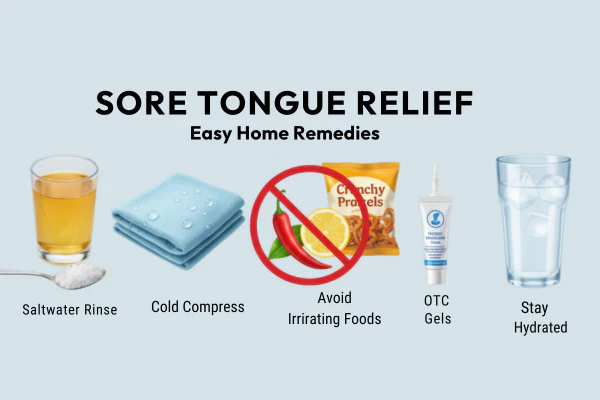
Many mild cases of side tongue pain respond well to consistent home care.
Saltwater Rinse Dissolve half a teaspoon of salt in a cup of warm water and swish gently for 30 seconds before spitting. This reduces bacteria, calms inflammation, and promotes tissue healing. Repeat 2 to 3 times daily while symptoms persist.
Ice Chips or Cold Water Sucking on ice chips or sipping cold water reduces swelling and numbs the sore area quickly. This is particularly effective for fresh bites, burns, and acute canker sore flare-ups.
Raw Honey Apply a small amount of raw honey directly onto the sore area on the side of the tongue. Honey has documented antibacterial and anti-inflammatory properties that reduce pain and help the tissue heal faster.
Aloe Vera Gel Pure, food-grade aloe vera gel applied directly to a tongue sore provides a cooling, anti-inflammatory effect. It is particularly helpful for canker sores, burn injuries, and irritation from dental appliances.
Coconut Oil Pulling Swishing a tablespoon of coconut oil in your mouth for 10 to 15 minutes reduces oral bacteria and soothes irritated tongue tissue. It can also reduce the severity of oral thrush alongside medical treatment.
Baking Soda Paste Mix a small amount of baking soda with water to form a paste. Apply to the sore briefly, then rinse. Baking soda neutralizes the acidity in the mouth that can aggravate canker sores and tongue ulcers.
Turmeric Paste Turmeric contains curcumin, a natural anti-inflammatory compound. Mix a pinch of turmeric with a little honey and apply directly to sore spots on the tongue for natural pain relief and faster healing.
| Product Type | Examples | Best Used For |
|---|---|---|
| Oral numbing gel | Orajel, Anbesol | Canker sores, bite injuries, burns |
| Oral protective paste | Orabase | Canker sores, ulcer coverage |
| Antiseptic mouthwash (alcohol-free) | Listerine Zero | Mild infections, general soreness |
| OTC pain relievers | Ibuprofen, acetaminophen | Inflammation, moderate tongue pain |
| Vitamin B12 supplements | Various brands | Deficiency-related tongue soreness |
| Iron supplements | Ferrous sulfate | Iron-deficiency tongue soreness |
| Antacids | Gaviscon, Tums | Acid reflux related tongue irritation |
When home remedies do not resolve the pain within 7 to 10 days, professional treatment is the right next step.
Topical corticosteroids — Triamcinolone in Orabase or prescription-strength dexamethasone rinse reduces severe canker sores, oral lichen planus, and geographic tongue inflammation effectively.
Antifungal medications — Nystatin oral suspension or fluconazole tablets treat oral thrush and eliminate Candida overgrowth on the tongue.
Antiviral medications — Acyclovir or valacyclovir reduce the severity and duration of cold sore outbreaks on the tongue.
Antibiotics — Used for bacterial tongue infections or dental abscesses that are causing referred pain to the tongue.
Dental adjustments — Smoothing sharp tooth edges, replacing chipped crowns or broken fillings, and adjusting braces or dentures eliminate the source of friction on the tongue.
Nutritional injections — For severe B12 deficiency, intramuscular injections provide faster absorption than oral supplements.
Low-dose antidepressants or anticonvulsants — Used in some cases of burning mouth syndrome to address the nerve-related component of the pain.
Your diet has a significant impact on how quickly your tongue heals. The wrong foods can delay recovery for days or even weeks.
| Foods to Avoid | Better Alternatives |
|---|---|
| Hot coffee, tea, soups | Cool or lukewarm water, herbal tea |
| Spicy curries, chili, hot sauce | Mild, blander dishes |
| Citrus fruits (lemon, lime, orange) | Banana, melon, cucumber |
| Salty chips, crackers, pretzels | Soft bread, plain oatmeal |
| Acidic tomatoes and vinegar | Cooked, non-acidic vegetables |
| Alcohol | Water, coconut water, milk |
| Carbonated soft drinks | Still water |
| Crunchy raw vegetables | Steamed or cooked soft vegetables |
Most mild tongue pain heals within one to two weeks with simple home care. However, certain signs mean you need professional evaluation without delay.
See your dentist or doctor if:
The sore or pain on the side of your tongue does not improve after 14 days. The pain is severe, spreading, or getting progressively worse. You notice unexplained white patches, red patches, or lumps on the tongue. Swelling makes it difficult to eat, drink, or swallow. You have a fever along with the tongue pain. There is recurring tongue pain that keeps returning after healing. You have a new lump or swelling in the neck alongside tongue pain.
Go to the emergency room immediately if:
Swelling is spreading toward your throat and affecting breathing. You are showing signs of a severe allergic reaction. A dental infection is spreading to your face, neck, or jaw.
The relationship between stress and tongue pain is clinically significant and often underestimated. Emotional and psychological stress is a well-documented trigger for canker sores, geographic tongue flare-ups, and cold sore reactivation.
At least one-third of people with chronic tongue pain (glossodynia) have an underlying anxiety or depression diagnosis, according to clinical research. This does not mean the pain is imaginary — it is very real. It means that addressing mental health is a genuine part of managing recurring tongue pain.
Stress also increases jaw clenching and teeth grinding (bruxism), which physically damages the lateral edges of the tongue through repetitive contact with the teeth during the night.
Side tongue pain affects both children and adults but for different reasons.
In children, the most common causes are biting accidents during play, canker sores triggered by stress or school transitions, viral infections like hand-foot-mouth disease, and accidental burns from hot food or drinks.
In adults, dental appliance irritation, nutritional deficiencies, burning mouth syndrome, acid reflux, and immune-related conditions are more prevalent causes of recurring tongue pain.
In older adults, ill-fitting dentures, dry mouth caused by medications, long-term tobacco use, and the effects of systemic diseases make tongue pain more complex to diagnose and treat.
A consistent set of habits goes a long way in preventing recurring pain on the side of the tongue.
Chew carefully and slowly. Eating too fast is the number one cause of accidental tongue biting. Slow down, especially when eating hard or chewy foods.
Maintain excellent oral hygiene. Brush twice daily with a soft-bristle toothbrush, floss daily, and use an alcohol-free mouthwash. Good hygiene reduces the bacteria that cause infections and trigger sores.
Eat a nutrient-rich diet. Prioritize foods rich in B12, iron, folate, vitamin C, and zinc. These nutrients are essential for maintaining healthy, resilient oral tissues along the tongue’s edges.
Stay well hydrated. Water keeps oral tissues moist and promotes healthy saliva production. Saliva is the tongue’s first defense against bacteria and irritation.
Avoid tobacco and excessive alcohol. Both are direct chemical irritants to the lateral tongue tissue and increase the long-term risk of oral cancer.
Have your dental appliances checked regularly. Braces, dentures, retainers, and night guards should be professionally assessed to ensure they are not causing friction on the tongue sides.
Manage stress actively. Incorporate regular exercise, adequate sleep, and stress-reduction practices. This directly reduces the frequency of stress-triggered canker sores and cold sore reactivations.
Attend routine dental check-ups. A dentist can identify early signs of abnormal tissue changes, sharp tooth surfaces, or appliance problems before they become painful.
A tongue infection on the side typically presents as a raised, red, or white swollen area that may be accompanied by a bad taste or odor.
Oral thrush presents as creamy white patches that can be scraped away, leaving a red, bleeding surface underneath. A bacterial infection may cause a more diffuse redness with swelling.
If the infection involves a dental abscess, you may also see swelling in the nearby gum, cheek, or neck. Any suspected tongue infection that involves swelling or fever needs same-day professional evaluation.
Your tongue is a window into your overall health. Changes in the tongue — including pain on the side — can sometimes reflect conditions affecting the whole body.
Iron deficiency anemia makes the tongue pale, smooth, and sore along its edges. Vitamin B12 deficiency causes a beefy red, swollen, and painful tongue. Celiac disease can present with recurring mouth ulcers. Crohn’s disease and other inflammatory bowel diseases are associated with oral ulcers. Sjögren’s syndrome causes severe dry mouth, which leads to tongue soreness. Diabetes increases susceptibility to oral thrush and slows the healing of tongue sores.
If you have persistent, unexplained tongue pain despite good oral hygiene and diet, a full blood panel and medical check-up can identify a systemic condition that may be the root cause.
Pain on one side of the tongue typically points to a local cause — a sharp tooth, dental appliance, bite wound, or canker sore on that specific side. Systemic causes like deficiencies usually affect both sides.
Minor bites and small canker sores heal within 7 to 14 days. Persistent pain beyond two weeks always warrants a professional dental or medical evaluation to rule out serious causes.
Yes. Stress weakens the immune system and directly triggers canker sores, cold sore reactivations, and geographic tongue flare-ups. It also increases teeth grinding, which physically damages the tongue sides.
Canker sores appear as small, round ulcers with a white or yellow center and a red, inflamed border. They are painful but not contagious, and typically heal within 7 to 14 days without treatment.
Absolutely. Braces, dentures, retainers, and sharp tooth edges can consistently rub against the tongue’s sides and cause persistent soreness until adjusted or repaired by your dentist.
In rare cases it can be. Most causes are benign and temporary. However, a sore that does not heal after two weeks, grows larger, or comes with a lump in the neck should be evaluated immediately by a dentist or oral surgeon.
A warm saltwater rinse (half a teaspoon of salt in a cup of water) used 2 to 3 times daily provides fast relief. Applying raw honey or oral numbing gel directly to the sore spot also reduces pain quickly.
Yes. Low levels of vitamin B12, iron, folate, or zinc can cause the tongue to become sore, inflamed, and tender — particularly along its edges and sides where contact with teeth is greatest.
See a dentist if pain lasts more than two weeks, is severe or worsening, is accompanied by white or red patches, a lump, a fever, or if home remedies have not provided any improvement.
Yes. Stomach acid reaching the mouth from GERD burns and irritates the mucosa on the tongue edges, causing soreness that is often worse in the mornings and after lying down.
Why does my tongue hurt on the side — the answer depends on a range of causes, from something as simple as an accidental bite to conditions like geographic tongue, oral thrush, or burning mouth syndrome.
The sides of the tongue are among the most sensitive and exposed tissues in the entire mouth, making them vulnerable to physical friction, infections, nutritional gaps, and systemic health changes.
In most cases, identifying the cause and applying the right treatment — whether a simple saltwater rinse at home or a prescription antifungal from a dentist — brings meaningful relief within days to weeks.
Never ignore tongue pain that persists beyond two weeks, grows in size, or comes with swelling, lumps, or a fever.
Routine dental visits, a nutrient-rich diet, good oral hygiene, stress management, and well-fitted dental appliances are your best tools for keeping the sides of your tongue healthy and pain-free in 2026.