

Why am I so lazy is a question millions of people ask themselves every single day — and the honest answer might surprise you. Science now confirms that what most people label as laziness is rarely a character flaw.
It is your brain’s sophisticated energy management system doing exactly what it was designed to do. Low dopamine, chronic stress, poor sleep, burnout, and undiagnosed conditions like ADHD or depression all disguise themselves as laziness.
Understanding the real root cause is the first and most powerful step toward getting your motivation back.
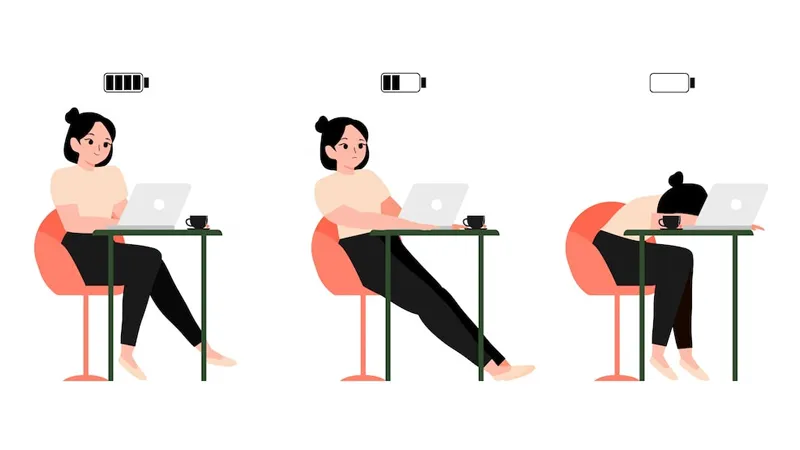
Laziness is broadly defined as the unwillingness to exert effort, even when you know action is needed. But that definition is misleading and overly harsh.
Research psychologist Roy Baumeister found that what feels like laziness is usually ego depletion — a state of mental fatigue caused by too many decisions, too much stress, or insufficient recovery. Your brain runs on glucose and neurochemicals. When those are depleted, your willpower and drive follow.
Laziness is also highly subjective. What one person calls a productive day, another person might call lazy. The word itself carries enormous shame — and that shame often makes the underlying problem worse, not better.
Your brain is hardwired to conserve energy. This is not a bug. It is an ancient survival feature.
Your ancestors lived in environments where calories were scarce. Burning energy unnecessarily could mean death. So the brain developed powerful systems to avoid exertion unless the reward was clear and meaningful. In the modern world, that same system now works against you.
Dopamine is the brain’s primary motivation chemical. It is not the pleasure chemical — it is the chemical that drives you toward pleasure. It is the “go” signal.
When dopamine levels are healthy and balanced, starting tasks feels natural. When dopamine is low or the receptors are desensitized from overstimulation, even small tasks feel like climbing a mountain.
Scrolling social media, eating junk food, watching videos, and gaming all deliver fast, cheap dopamine hits. Over time, these easy rewards raise your brain’s dopamine baseline. Anything that requires real effort — work, exercise, studying — no longer produces enough dopamine to feel worth it. This is why screen addiction and laziness so often go hand in hand.
The prefrontal cortex is the part of your brain responsible for planning, decision-making, and initiating action. When this region has reduced activity — from sleep deprivation, chronic stress, or conditions like ADHD — starting tasks becomes nearly impossible.
This is not a willpower problem. It is a brain activation problem. And the good news is it is completely addressable with the right strategies.
Sleep deprivation is one of the most common and most overlooked reasons why people feel lazy all the time. When you do not get 7 to 9 hours of quality sleep, your prefrontal cortex function drops sharply.
Your cognitive performance, decision-making, emotional regulation, and motivation all suffer significantly on insufficient sleep. Studies show that even one night of poor sleep reduces dopamine receptor availability in the brain. Chronic sleep debt makes you feel perpetually foggy, sluggish, and unmotivated.
Burnout is a medically recognized condition (ICD-10 code Z73.0) caused by prolonged emotional, physical, and mental stress. It is not the same as laziness, though it looks almost identical from the outside.
People experiencing burnout typically used to be highly driven and capable. Now they find that nothing feels rewarding, work feels pointless, and even basic tasks feel overwhelming. Burnout specifically depletes dopamine and alters the brain’s stress-response system over time.
Dopamine dysregulation is a direct biological cause of what looks like laziness. Low dopamine means low drive.
It can be caused by poor nutrition, excessive screen time, chronic stress, lack of exercise, poor sleep, or underlying conditions including depression and ADHD. The dopamine-anxiety loop — where low motivation leads to delayed tasks, which leads to guilt and anxiety, which further suppresses dopamine — is one of the most common patterns seen in modern life.
Having too much to do and not knowing where to start is a very real form of mental paralysis. When your to-do list feels unmanageable, your brain defaults to doing nothing at all.
Decision fatigue compounds this. The more decisions you make throughout a day, the less mental energy you have left for new tasks. This is why smart people who are highly productive in the morning often feel completely incapable of doing anything useful by evening.
Vague goals kill motivation. Saying “I want to get fit” or “I want to do better at work” gives your brain nothing concrete to latch onto.
Research consistently shows that specific, challenging goals activate the brain’s reward system far more effectively than vague ones. A clear goal — “I will run 2 miles on Tuesday and Thursday morning at 7am” — activates the prefrontal cortex and creates anticipatory dopamine that vague wishes never will.
Perfectionism and laziness are far more connected than most people realize. When your brain believes that anything less than perfect is failure, it finds it safer to simply not start at all.
This is a self-protective mechanism. You cannot fail at something you never attempt. Perfectionism has been linked to a 51 percent increased risk of negative health outcomes according to research cited by LifeHack. It is not a badge of honor — it is a motivation killer.
Depression is a medical condition that directly impairs motivation, energy, and the ability to feel pleasure. People with depression often experience a complete depletion of dopamine-driven reward circuits.
The cruel paradox of depression is that it looks like laziness from both the inside and the outside. The person experiencing it may feel deeply ashamed, believing they are simply not trying hard enough. In reality, their brain chemistry is working against them in measurable, physiological ways. Depression requires proper treatment — not more willpower.
ADHD is fundamentally a dopamine regulation disorder. People with ADHD have brains that struggle to sustain motivation for tasks that do not deliver immediate rewards — no matter how important those tasks are.
They are not lazy. Their executive function system is wired differently, and the tasks most people find routine and manageable are genuinely much harder for an ADHD brain. Many adults do not receive an ADHD diagnosis until their 30s or 40s, having spent decades being labeled as lazy or underachieving.
Chronic stress floods your brain with cortisol — the stress hormone. Cortisol actively suppresses dopamine production. It also narrows access to logical thinking and rational planning.
When you are perpetually stressed, you are effectively running with the handbrake on. Your body’s threat-response system is consuming massive amounts of energy just maintaining vigilance, leaving almost nothing left for productivity or motivation.
Blood sugar fluctuations have a direct impact on motivation and energy levels. Diets high in refined sugar and processed foods cause rapid dopamine spikes followed by crashes — leaving you feeling tired, unfocused, and lethargic.
Nutrient deficiencies — particularly in iron, B12, vitamin D, and magnesium — are extremely common causes of persistent fatigue and low motivation that are frequently mistaken for laziness. A simple blood panel can identify and resolve many of these issues quickly.
A cluttered, overstimulating, or uninspiring environment has a measurable negative effect on motivation and focus. Your physical surroundings constantly compete for cognitive resources.
Notifications, noise, visual clutter, and disorganization all deplete the mental energy available for meaningful work. Optimizing your environment is one of the highest-leverage actions you can take to reduce what feels like laziness.
A brain that is not being challenged disengages. Routine, repetitive work that does not stretch your abilities produces a state of low engagement that feels exactly like laziness.
Humans are deeply motivated by growth, novelty, and meaningful challenge. When your work or daily life offers none of those things, your brain has very little reason to fire up. This is why people who find their work meaningful almost never describe themselves as lazy.
Understanding what you are actually experiencing changes everything about how you should respond.
| Condition | Key Characteristics | Duration | Fix |
|---|---|---|---|
| Laziness | Temporary lack of effort on specific tasks | Short-term, situational | Discipline, goals, routine |
| Burnout | Exhaustion, cynicism, emotional depletion | Weeks to months | Rest, boundaries, recovery |
| Depression | Persistent low mood, anhedonia, hopelessness | 2+ weeks, most days | Professional treatment |
| ADHD | Consistent pattern across all areas of life | Lifelong pattern | Diagnosis, structure, support |
| Sleep Deprivation | Fatigue, brain fog, reduced focus | Immediate | More and better quality sleep |
If your motivation issues have persisted for more than two weeks, affect all areas of your life, and do not improve with rest and lifestyle changes, speaking to a medical professional is strongly recommended.
The biggest lie about motivation is that you need to feel motivated before you can act. The opposite is true. Action creates motivation, not the other way around.
Start with the smallest possible version of the task. Write one sentence. Do five push-ups. Open the document. Once you begin, momentum builds naturally. Neuroscience calls this the activation energy problem — the hardest part is always just starting.
If a task takes less than two minutes, do it immediately. This prevents the accumulation of small undone tasks that collectively drain your mental energy and increase the overwhelming feeling that triggers laziness.
For larger tasks, commit to just two minutes of effort. More often than not, you will continue well past the two-minute mark once you have started.
Vague intentions produce vague results. SMART goals — Specific, Measurable, Achievable, Relevant, Time-bound — give your brain something concrete and compelling to work toward.
Research shows that 92 percent of people fail to achieve their goals because those goals are too broad or unrealistic. Start with one or two small, specific goals each morning when your willpower and cognitive function are at their peak.
Before you try any other productivity strategy, fix your sleep. Everything else is significantly less effective when you are sleep deprived.
Aim for 7 to 9 hours per night. Keep a consistent sleep schedule — even on weekends. Avoid screens for at least one hour before bed. A dark, cool room dramatically improves sleep quality. Better sleep means more dopamine, more prefrontal cortex function, and a dramatically easier time feeling motivated.
Exercise is the single most powerful natural tool for increasing dopamine receptor sensitivity, improving prefrontal cortex function, and reducing cortisol.
Even 20 to 30 minutes of moderate aerobic exercise — walking, cycling, swimming — produces measurable improvements in mood, focus, and motivation. People who exercise regularly consistently report far higher energy and motivation levels compared to sedentary individuals. Exercise is not optional if you want to overcome chronic laziness.
Social media, video games, junk food, and excessive Netflix are not relaxation — they are high-stimulation dopamine sources that raise your brain’s reward threshold and make everything else feel boring and not worth doing.
Deliberately reduce your exposure to these cheap dopamine hits. Replace them with low-stimulation activities — walking, reading, journaling, cooking — that allow your dopamine system to recalibrate. This process, sometimes called a dopamine detox, typically takes 72 hours to two weeks to produce noticeable results.
Overwhelming tasks trigger avoidance. Your brain perceives a massive, unclear task as a threat and responds by doing nothing.
Break every large project into the smallest possible individual steps. Instead of “write the report,” your task list reads: open document, write the introduction paragraph, find three supporting sources. Each completed micro-step releases a small hit of dopamine that builds momentum for the next step.
Author James Clear, in Atomic Habits, highlights implementation intentions as one of the most research-backed methods for beating procrastination. An implementation intention specifies exactly when, where, and how you will do something.
Instead of “I will exercise more,” commit to: “I will do a 20-minute walk at 7:30 AM on Monday, Wednesday, and Friday in the park near my house.” This specificity dramatically increases follow-through because it removes the need to make a decision in the moment — the decision is already made.
Having someone else aware of your goals and progress is a powerful motivator. Social accountability activates a different kind of dopamine — one tied to social reward and reputation.
An accountability partner, a public commitment, a coach, or even a progress journal can dramatically increase your follow-through rate. Tell someone what you plan to do and by when. The social stakes create a motivation that internal willpower alone rarely sustains.
Your brain is a reward-seeking machine. Working with this biology instead of against it produces far better results than relying on discipline alone.
Plan specific, meaningful rewards for completing important tasks. The reward should be proportionate to the effort — a short break for a small task, a genuine treat for a significant milestone. This conditions your brain to associate effort with reward, making it easier to start tasks next time.
Remove friction from the things you want to do and add friction to the things you want to stop doing.
Put your running shoes next to your bed. Close social media apps and move them off your home screen. Keep your workspace clean and visually calm. Leave the book you want to read on your pillow. These small environmental changes reduce the activation energy required to take action and are backed by robust behavioral science research.
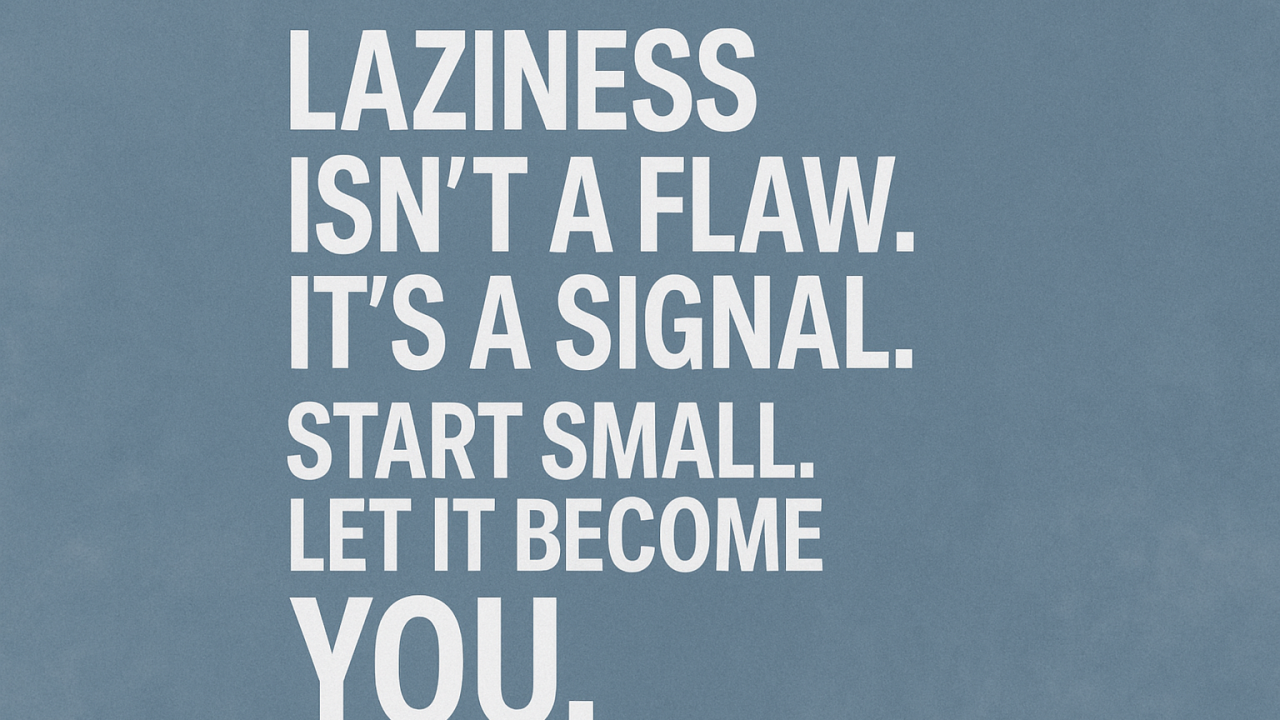
Negative self-talk — “I am so lazy,” “I am worthless,” “I never finish anything” — directly suppresses motivation and creates a shame cycle that perpetuates the very behavior you are trying to change.
Mindfulness helps you observe the urge to avoid tasks without judgment. Self-compassion allows you to acknowledge setbacks without spiraling into shame. Research from the American Psychological Association shows that students with higher self-esteem and self-compassion are significantly more likely to engage in challenging tasks.
If you have tried lifestyle changes consistently for several weeks and still feel persistently unmotivated, talk to your doctor.
Blood tests can identify iron deficiency, low vitamin D, thyroid dysfunction, and other common biological causes of fatigue and low motivation. A mental health professional can screen for depression, anxiety, or ADHD. Treating the actual underlying cause is infinitely more effective than fighting symptoms with willpower.
Building consistent daily habits is what separates people who overcome laziness from those who stay stuck in cycles of guilt and inaction.
| Time of Day | Habit | Why It Works |
|---|---|---|
| Morning | Wake at consistent time | Regulates circadian rhythm and cortisol |
| Morning | 10 min sunlight exposure | Boosts serotonin and morning dopamine |
| Morning | Set 1-3 specific goals | Activates prefrontal cortex intention |
| Midday | Protein-rich meal | Provides tyrosine for dopamine production |
| Afternoon | 20-min walk | Increases dopamine receptor sensitivity |
| Evening | No screens 1 hour before bed | Protects melatonin and sleep quality |
| Evening | Reflect on 3 wins | Reinforces positive momentum |
| Daily | Reduce social media | Lowers dopamine overstimulation |
| Daily | One “hard thing” first | Builds discipline and confidence |
Your diet has a direct impact on your dopamine levels and, by extension, your motivation.
Dopamine is synthesized from an amino acid called tyrosine. Foods rich in tyrosine support healthy dopamine production. At the same time, gut health directly influences neurotransmitter production — approximately 95 percent of serotonin is produced in the gut.
| Food | Benefit |
|---|---|
| Eggs | High in tyrosine and vitamin B12 |
| Chicken and turkey | Rich source of tyrosine |
| Fatty fish (salmon, mackerel) | Omega-3s support dopamine signaling |
| Bananas | Contain tyrosine and vitamin B6 |
| Dark chocolate (70%+) | Small dopamine-supporting effect |
| Leafy greens | Magnesium supports sleep and motivation |
| Fermented foods | Gut-brain axis support |
| Nuts and seeds | Magnesium and healthy fats |
| Whole grains | Stable blood sugar prevents energy crashes |
| Avocados | Tyrosine and healthy fat for brain function |
Avoid ultra-processed foods, excessive sugar, and alcohol — all of which cause short dopamine spikes followed by deep crashes that amplify feelings of laziness and low energy.
There is an important line between normal motivational dips and a persistent medical problem. Knowing when to seek help is critical.
Consider seeing a healthcare professional if you experience persistent fatigue and lack of motivation lasting more than two weeks with no clear cause. Also seek help if your low motivation is accompanied by sadness, hopelessness, or loss of pleasure. Difficulty concentrating or remembering things across all areas of life is another important signal. Significant changes in appetite or sleep patterns warrant attention, as does feeling exhausted even after adequate sleep. A consistent pattern of struggling to start and complete tasks throughout your entire life — across school, work, and personal life — may indicate ADHD.
These are not signs of weakness or laziness. They are potential signs of a treatable medical condition.
The concept of laziness as a stable personality trait has been widely challenged by modern psychology and neuroscience. Very few people are fundamentally, inherently lazy.
What exists is a complex interaction of brain chemistry, sleep quality, physical health, environment, mental health, goal clarity, and skill set. Address any one of these variables meaningfully and you will almost always see improvement in motivation and output.
The shame of calling yourself lazy is counterproductive. It triggers cortisol, suppresses dopamine, and creates the exact brain state that makes taking action feel impossible. Replace self-criticism with curiosity. Ask not “why am I so lazy” but “what is my brain actually telling me it needs right now?”
That single reframe can change everything.
| Root Cause | Key Signs | Best Fix |
|---|---|---|
| Sleep deprivation | Foggy, tired all day | 7-9 hours, consistent schedule |
| Low dopamine | Nothing feels rewarding | Exercise, reduce screen time, nutrition |
| Burnout | Exhausted, cynical, depleted | Rest, boundaries, professional support |
| Depression | Persistent low mood, anhedonia | Therapy, medication, lifestyle |
| ADHD | Lifelong pattern, all areas of life | Diagnosis, structure, coaching |
| Perfectionism | Cannot start unless it will be perfect | SMART goals, self-compassion |
| Overwhelm | Do not know where to start | Micro-tasks, daily prioritization |
| Boredom | Unchallenged, disengaged | New goals, novel challenges |
| Poor diet | Energy crashes, brain fog | Whole foods, tyrosine, hydration |
| Stress | Constant anxiety, frozen | Mindfulness, exercise, environment |
Persistent laziness is almost always caused by low dopamine, poor sleep, burnout, depression, or ADHD — not a character flaw. Identifying the specific root cause is the most important step toward solving it.
It can be. Depression causes measurable dopamine deficiencies that directly destroy motivation and energy. If low motivation has lasted more than two weeks and affects all areas of your life, consult a mental health professional.
Yes. ADHD is a dopamine regulation disorder that makes initiating and sustaining effort on unrewarding tasks genuinely neurologically harder. Many ADHD adults spend years being mislabeled as lazy before receiving an accurate diagnosis.
Start with the absolute smallest possible action related to your task — just two minutes worth. Action creates motivation; waiting to feel motivated first is the most common trap that keeps people stuck.
Absolutely. Social media delivers cheap, fast dopamine hits that desensitize your brain’s reward system. Over time, real-world effort produces far less perceived reward, making everything feel harder and less worth doing.
If you sleep adequately but still feel lazy, look at sleep quality, not just quantity. Also check for nutritional deficiencies, thyroid issues, iron deficiency, or depression — all of which cause fatigue despite normal sleep duration.
There is a genetic component to dopamine system efficiency and prefrontal cortex function, which influences baseline motivation levels. However, environment, habits, sleep, and lifestyle have far greater practical influence on how motivated you feel day to day.
Exercise increases dopamine receptor sensitivity, reduces cortisol, boosts prefrontal cortex activity, and releases endorphins — directly addressing four of the most common biological causes of chronic laziness in a single daily habit.
Motivation fluctuates with dopamine levels, sleep quality, stress, blood sugar, hydration, and emotional state. Identifying your personal patterns — time of day, diet, exercise — allows you to design your life around your natural motivational rhythms.
See a doctor if low motivation persists for more than two to three weeks, is accompanied by sadness or hopelessness, does not improve with sleep and lifestyle changes, or has been a consistent pattern throughout your entire life.
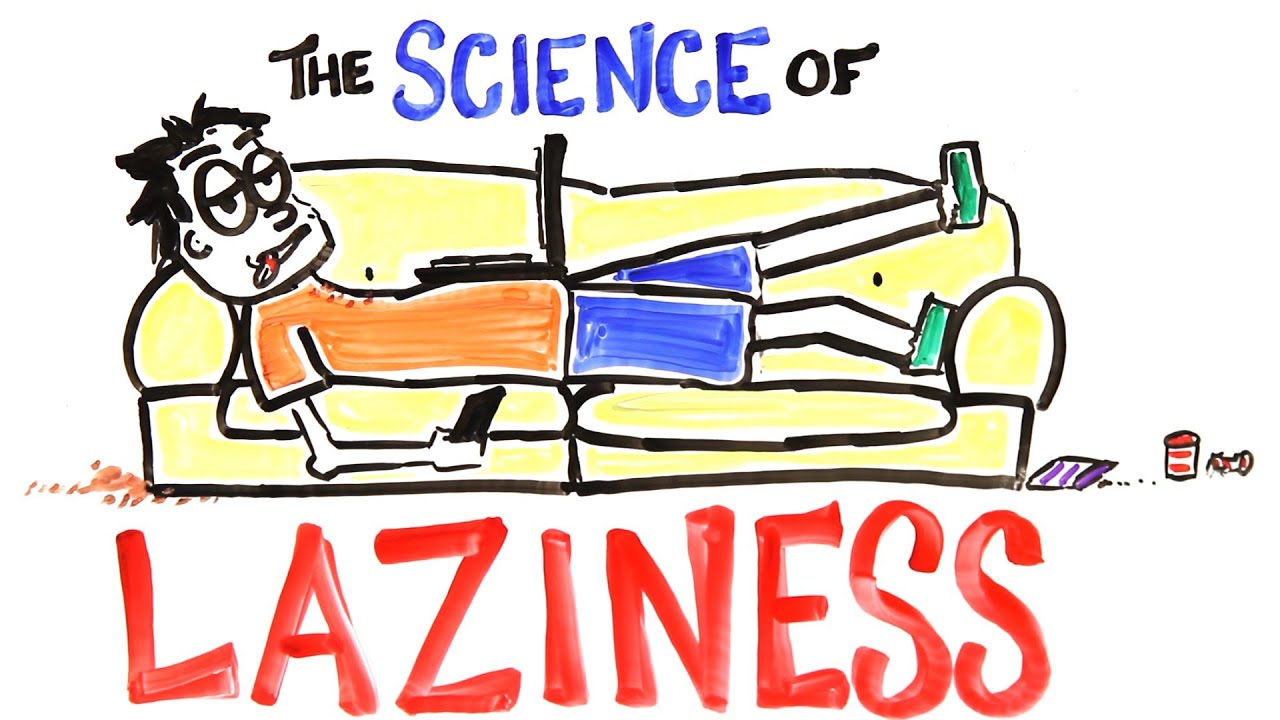
Why am I so lazy is never the right question. The right question is always: what does my brain actually need right now? Science is unambiguous — laziness as a fixed character trait is a myth.
What is real is dopamine depletion, burnout, sleep debt, untreated depression, undiagnosed ADHD, perfectionism, overwhelm, and the slow damage that cheap digital stimulation does to your brain’s reward system over time.
The good news is that every single one of these causes is addressable. Sleep can be fixed. Dopamine can be rebalanced. Burnout can be recovered from. Depression and ADHD can be treated. Goals can be clarified. Environments can be optimized. Habits can be built one micro-step at a time.
Stop beating yourself up for being lazy. Start getting genuinely curious about what is actually going on beneath the surface. That shift in mindset — from shame to curiosity — is where real, lasting motivation always begins.
You are not broken. Your brain is working exactly as it was designed to. Now it is time to work with it, not against it.