
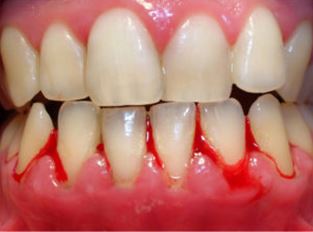
Why do my gums bleed when I brush my teeth? This is one of the most common questions dentists hear every day. Bleeding gums are not normal, yet up to 60% of people experience this problem at some point.
The blood you see in the sink is your body sending a signal that something needs attention. It could be something as simple as brushing too hard, or it could point to a deeper issue like gum disease. Either way, ignoring it can make things worse over time.
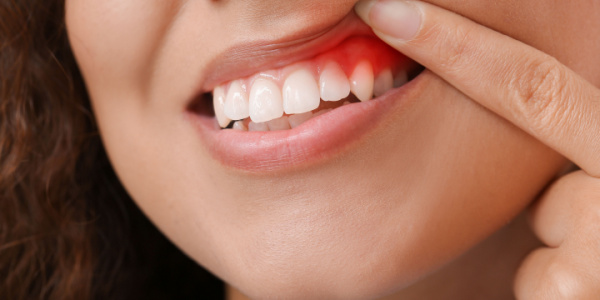
When gums bleed during brushing, the soft gum tissue is inflamed and irritated. Healthy gums are firm, pink, and do not bleed even with regular brushing.
Bleeding is a sign that bacteria are irritating the tissue along the gum line. The longer bacteria sit on teeth without being removed, the more damage they cause.
The gum tissue becomes swollen and fragile, which is why even gentle brushing can cause it to bleed.
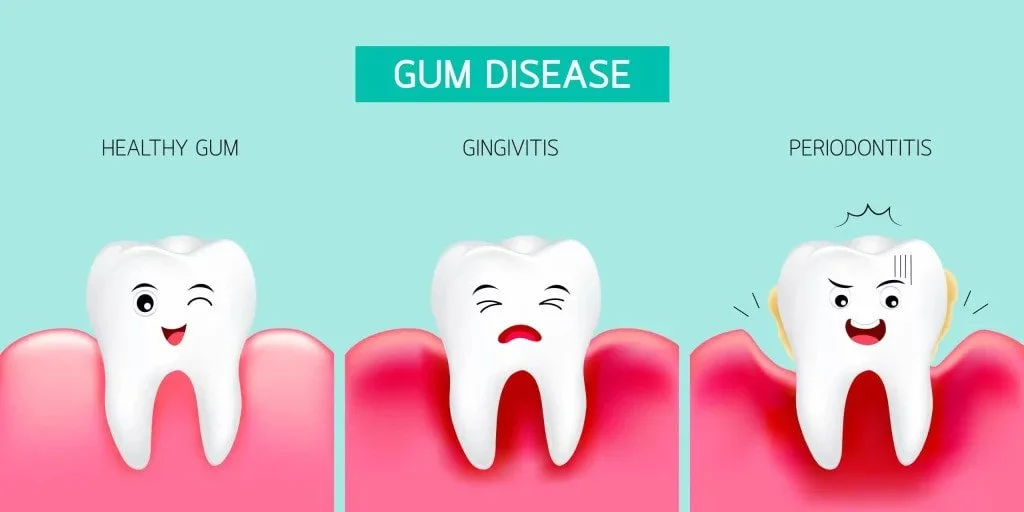
Gingivitis is the leading cause of bleeding gums worldwide. It is the early stage of gum disease caused by plaque buildup along the gum line.
When plaque — a sticky film of bacteria — is not properly removed, it irritates the gum tissue. This leads to redness, swelling, and tenderness.
The good news is that gingivitis is fully reversible with proper oral hygiene and professional dental cleaning.
| Gingivitis Sign | What It Looks Like |
|---|---|
| Gum color | Red or dark pink instead of light pink |
| Gum texture | Puffy or swollen |
| Bleeding | During or after brushing and flossing |
| Breath | Persistent bad breath |
| Pain | Tenderness when touching gums |
Inconsistent brushing and skipping flossing allow plaque to harden into tartar. Tartar cannot be removed at home and requires a professional dental cleaning.
Once tartar builds up, it sits at the gum line and causes ongoing irritation and bleeding. This is one of the most preventable causes of bleeding gums.
Brushing at least twice a day and flossing once daily is the minimum required to keep plaque under control.
Brushing aggressively does not clean teeth better. In fact, pressing too hard causes direct trauma to the gum tissue and can cause microscopic cuts.
A hard-bristled toothbrush scrapes the delicate gum tissue and can cause gum recession over time. Always use a soft-bristled toothbrush with gentle circular strokes.
The American Dental Association recommends replacing your toothbrush every 3 to 4 months or when the bristles look frayed.
When gingivitis is left untreated, it progresses to periodontitis. This is a serious and more destructive form of gum disease.
Periodontitis damages the connective tissue and bone that hold teeth in place. Symptoms include deep gum pockets, gum recession, and loose teeth.
At this stage, bleeding gums are a regular symptom. Treatment requires professional deep cleaning called scaling and root planing, and sometimes surgery.
Dental plaque is a soft, sticky layer of bacteria that forms on teeth constantly. It starts causing irritation within 24 hours if not removed.
When plaque is not brushed away, it hardens into tartar within 48 to 72 hours. Tartar clings to teeth and the gum line and creates a home for more bacteria.
This continuous bacterial activity causes gum inflammation, tenderness, and bleeding during brushing.
Certain medications reduce the blood’s ability to clot, which makes gums more likely to bleed. Common blood thinners include aspirin, warfarin, and anticoagulants.
If you are on blood thinners and experiencing bleeding gums, do not stop taking your medication without talking to your doctor. Always inform your dentist about all medications you take.
Your dentist can adjust your care plan to help minimize bleeding while keeping your gums healthy.
Vitamin C plays a critical role in maintaining strong gum tissue. A deficiency in vitamin C can cause gum tissue to become weak, fragile, and prone to bleeding.
Vitamin K is essential for blood clotting. Without enough vitamin K, even minor gum irritation can result in noticeable bleeding.
Eating a balanced diet rich in fruits, vegetables, and leafy greens helps maintain healthy gum tissue.
Hormonal changes during pregnancy cause increased blood flow to the gum tissue. This makes gums more sensitive, swollen, and reactive.
About half of pregnant women experience gum bleeding during pregnancy. This is called pregnancy gingivitis and is directly linked to changes in estrogen and progesterone levels.
Regular dental checkups and good oral hygiene during pregnancy can prevent this from progressing to a more serious condition.
Chronic stress raises cortisol levels, which weakens the immune system. A weakened immune system makes it harder for the body to fight off the bacteria responsible for gum disease.
Stress also promotes inflammation throughout the body, including in the gum tissue. This makes gums more susceptible to swelling, tenderness, and bleeding.
Managing stress through exercise, sleep, and relaxation techniques can indirectly improve gum health.
Smoking reduces blood flow to the gums and slows healing. It masks gum bleeding by constricting blood vessels, which means smokers often discover gum disease later.
Vaping has similar harmful effects on gum tissue. Both habits dry out the mouth and allow harmful bacteria to thrive.
Quitting smoking or vaping is one of the most impactful changes you can make for your gum health.
People with uncontrolled diabetes have an increased risk of gum disease and bleeding gums. High blood sugar levels create an environment where oral bacteria thrive.
Gum disease and diabetes have a two-way relationship — gum disease can make blood sugar harder to control, and high blood sugar worsens gum disease.
If you have diabetes and notice persistent gum bleeding, speak with both your dentist and your doctor.
Dentures that do not fit properly can rub against the gum tissue and create sores. This physical irritation causes localized bleeding where the denture contacts the gum.
Wearing dentures for too long without removing them overnight can also increase the risk. Proper cleaning and regular dental checkups help ensure dentures fit correctly.
If you experience bleeding near a dental appliance, see your dentist to have the fit adjusted.
If you have just started flossing or returned to it after a long break, your gums may bleed for the first week. This is common and does not mean you should stop flossing.
The gum tissue needs time to adjust to regular flossing. With consistent daily flossing, bleeding typically stops within 7 to 10 days.
If bleeding continues beyond 2 weeks of regular flossing, see your dentist to rule out gingivitis.
Bacteria in the mouth feed on sugars and carbohydrates. A diet high in processed and sugary foods accelerates plaque buildup and worsens gum inflammation.
Starchy foods can get trapped between teeth and break down into sugar, which fuels harmful bacteria. This speeds up the development of gingivitis and bleeding gums.
Reducing sugar intake and choosing whole foods like vegetables, lean proteins, and calcium-rich foods supports healthier gums.
If your bite is not properly aligned, uneven pressure can be placed on certain teeth and their supporting gum tissue. This repeated trauma weakens the gums and can trigger bleeding.
Teeth grinding, also called bruxism, puts excessive force on teeth and gums. Over time, this can lead to gum recession and bone loss.
A dentist can fit you with a custom night guard to protect your teeth and reduce the pressure on your gums.
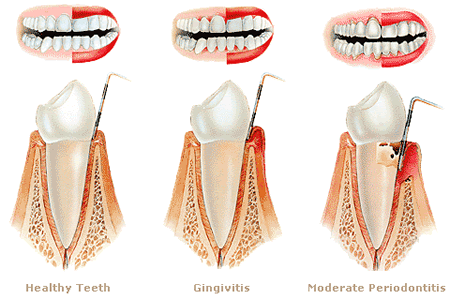
| Stage | Condition | Bleeding Pattern | Reversible? |
|---|---|---|---|
| Stage 1 | Healthy gums (new flosser) | Temporary, stops in 1 week | Yes |
| Stage 2 | Gingivitis | Bleeds when brushing or flossing | Yes — with treatment |
| Stage 3 | Early Periodontitis | Bleeds regularly, gums recede | Partially |
| Stage 4 | Advanced Periodontitis | Bleeds easily, loose teeth, bone loss | No — requires surgery |
Not every instance of gum bleeding requires an emergency visit. However, some signs need prompt dental attention.
See your dentist as soon as possible if bleeding gums last longer than two weeks despite improved brushing habits. Also go if you notice swollen, red, or receding gums alongside the bleeding.
Other red flags include loose teeth, persistent bad breath, pain when chewing, or bleeding that is heavy and does not stop after a few minutes.
If you experience any facial swelling, fever, or severe gum pain, seek care immediately as these may indicate a serious dental infection.
Professional Dental Cleaning (Prophylaxis) A dental hygienist removes all plaque and tartar that you cannot remove at home. This is the first and most important step in treating gum-related bleeding.
Scaling and Root Planing This deep cleaning procedure removes plaque and tartar from below the gum line. It is recommended for patients with periodontitis.
Antibacterial Rinses or Antibiotics For bacterial infections, dentists may prescribe antibacterial mouth rinses or antibiotics to reduce the bacterial load in the gums.
Periodontal Surgery For advanced gum disease with significant bone loss, surgical options like osseous surgery or laser periodontal therapy may be necessary.
Warm Salt Water Rinse Rinsing with warm salt water helps reduce inflammation and kill surface bacteria. Mix half a teaspoon of salt in a glass of warm water and rinse for 30 seconds after brushing.
Switch to a Soft-Bristled Toothbrush If you are using a medium or hard toothbrush, switch to a soft-bristled one right away. Electric toothbrushes with pressure sensors are especially helpful.
Antiseptic Mouthwash An antibacterial mouthwash containing chlorhexidine or cetylpyridinium chloride helps kill bacteria that cause gum inflammation and bleeding.
Hydrogen Peroxide Rinse (Diluted) A diluted hydrogen peroxide rinse can help kill bacteria at the gum line. Use a 1.5% solution (dilute 3% hydrogen peroxide with equal parts water) and rinse for 30 seconds.
Cold Compress If gum bleeding is caused by trauma or injury, a cold compress applied to the outside of the cheek for 10 minutes can help reduce swelling and slow bleeding.
Increase Vitamin C and Vitamin K Intake Eating more citrus fruits, bell peppers, spinach, and kale supports gum tissue health and blood clotting function.
Apply Pressure with Gauze For immediate bleeding, press a piece of clean gauze gently against the bleeding area and hold for 5 to 10 minutes to help clotting.
| Step | Action | Frequency |
|---|---|---|
| 1 | Brush with soft-bristled toothbrush and fluoride toothpaste | Twice daily (morning + night) |
| 2 | Floss between all teeth | Once daily |
| 3 | Use antiseptic mouthwash | Once daily |
| 4 | Rinse with water after meals | After every meal |
| 5 | Replace toothbrush | Every 3–4 months |
| 6 | Visit dentist for professional cleaning | Every 6 months |
| 7 | Drink plenty of water | Throughout the day |
Your diet plays a significant role in gum health. Certain nutrients strengthen gum tissue and help reduce inflammation.
Foods to eat more of:
Citrus fruits like oranges and kiwi are high in vitamin C and strengthen gum tissue. Leafy greens like spinach and kale provide both vitamin K and vitamin C, which are essential for healthy gums and blood clotting.
Dairy products like cheese and yogurt provide calcium that supports the bone structure holding teeth in place. Fatty fish like salmon provide omega-3 fatty acids that help reduce gum inflammation.
Foods to limit:
Sugary snacks and sodas feed harmful bacteria and accelerate plaque buildup. White bread and processed starchy foods break down quickly into sugars that fuel gum-damaging bacteria.
Acidic foods and drinks like vinegar-based foods or citrus juices in excess can erode enamel and irritate already sensitive gums.
Gum disease is not just a mouth problem. Research increasingly links chronic gum disease to serious systemic health conditions.
Studies show a connection between advanced gum disease and heart disease, as bacteria from the mouth can enter the bloodstream. There is also a well-established two-way link between gum disease and type 2 diabetes.
Other health conditions associated with chronic gum bleeding include respiratory disease, rheumatoid arthritis, and pregnancy complications such as premature birth and low birth weight.
Treating your gums is not just about your smile — it is about protecting your overall health.
Children can also experience bleeding gums, and the causes are often similar to adults. Poor brushing technique, plaque buildup, and new tooth eruption can all trigger gum bleeding in kids.
Children who are just learning to brush and floss may experience temporary bleeding as their gums adjust. Consistent technique and supervision usually resolves this quickly.
If bleeding persists in a child for more than a week, a visit to a pediatric dentist is recommended to rule out early gingivitis.
Establishing these early dental visits helps catch minor issues before they develop into chronic conditions. According to this dentist who does orthodontics in Williamsburg, introducing specialized guidance from a professional ensures your child builds proper, gentle hygiene habits that keep their developing smile healthy and resilient.
Daily gum bleeding almost always indicates gingivitis or early gum disease caused by plaque buildup. See a dentist if it continues for more than two weeks.
Gum bleeding is common but not normal. Healthy gums should not bleed during regular brushing or flossing.
Yes. Aggressive brushing with a hard or medium toothbrush can traumatize gum tissue and cause direct bleeding. Switch to a soft-bristled brush and use gentle strokes.
In mild cases caused by new flossing routines or minor irritation, yes. But bleeding from gingivitis or gum disease requires improved hygiene and professional dental care.
Deficiencies in vitamin C and vitamin K are the most commonly linked to bleeding gums. Both are found in fruits, vegetables, and leafy greens.
Yes. Chronic stress weakens the immune system and promotes body-wide inflammation, making the gums more vulnerable to bacteria and bleeding.
Rinse with warm salt water, use a soft-bristled toothbrush, floss gently every day, and use an antiseptic mouthwash. If bleeding continues, see a dentist.
Yes. Pregnancy gingivitis is very common due to hormonal changes that increase gum sensitivity and blood flow. Good oral hygiene and regular dental visits help manage it.
Rarely, but persistent unexplained bleeding gums can be a symptom of blood disorders or, in very rare cases, leukemia. A dentist and physician should evaluate any persistent unexplained bleeding.
With consistent improved oral hygiene, gingivitis-related bleeding can improve within 1 to 2 weeks. More advanced gum disease requires professional treatment and may take months to fully resolve.
Why do my gums bleed when I brush my teeth is a question that deserves a serious answer. Bleeding gums are your body’s early warning sign that something is off — from simple brushing habits to early gum disease or underlying health conditions. The most important thing you can do is not ignore it.
In most cases, improving your daily oral hygiene routine — brushing twice daily with a soft toothbrush, flossing every day, and using antiseptic mouthwash — can reverse early gum bleeding within two weeks. A professional dental cleaning can eliminate the tartar buildup that home care cannot.
If bleeding gums persist beyond two weeks, are accompanied by swollen or receding gums, or you notice loose teeth, see your dentist right away. Early intervention keeps gingivitis from becoming periodontitis, which is irreversible.
Taking care of your gums is one of the most important investments you can make in your long-term oral and overall health. Make your next dental appointment today — your gums will thank you.