
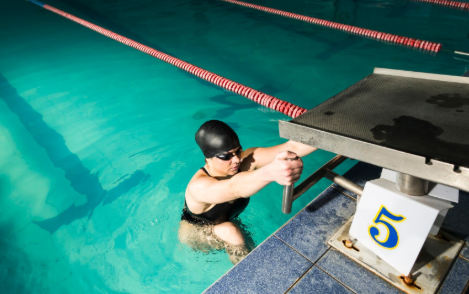
Swimming is a vital life skill, offering safety, fitness, and confidence in and around water. With many swimming courses in Singapore available across different skill levels and age groups, individuals can choose pro. In Singapore, a wide variety of swimming courses cater to children, teens, and adults, ranging from beginner lessons to advanced competitive training. Selecting the right course ensures effective learning, safety, and enjoyment for all participants.
Knowing what to look for in terms of teaching quality, facilities, and course structure can help you make the best choice for your goals and schedule.
A well-structured swimming course provides more than just skill development; it promotes water safety, physical health, and self-confidence. For children, learning to swim early can prevent accidents and instil discipline. Teens and adults benefit from improved fitness, endurance, and stress relief.
Choosing the right course ensures that participants progress at a pace suited to their ability, gain proper technique, and stay motivated through positive reinforcement and structured learning plans.
When evaluating swimming courses, instructor qualifications are critical. Certified coaches with experience teaching specific age groups or skill levels ensure proper guidance and safety. Check whether instructors are trained in lifesaving techniques and first aid, as this is particularly important for children and beginners.
Facilities and equipment also matter. Pools should be well-maintained, clean, and temperature-controlled, with safety measures like lifeguards and clear depth markings. Adequate changing rooms, storage, and poolside supervision enhance the overall experience.
Singapore offers a variety of swimming programmes to suit different needs. Beginner courses focus on water familiarisation, floating, and basic strokes. Intermediate lessons refine stroke techniques, improve endurance, and teach water safety skills. Advanced courses and competitive training cover racing techniques, turns, and performance optimisation for those seeking athletic development.
Specialised courses, such as ladies-only lessons, aqua fitness classes, or triathlon preparation, are also available. Private or semi-private sessions provide personalised coaching and flexible scheduling for faster progress.
Consider the participant’s age, skill level, and goals when selecting a course. Review class sizes, smaller groups often offer more personalised attention. Check schedules and locations to ensure consistency, which is key for skill development.
Trial classes can be a helpful way to assess the quality of instruction, the learning environment, and whether the student feels comfortable and supported. Reading reviews and asking for recommendations can also guide your decision.
Structured swimming courses go beyond skill acquisition. They promote discipline, confidence, and a sense of achievement as participants progress through levels. Regular swimming enhances cardiovascular health, builds muscle strength, and improves coordination.
For families, enrolling children in swimming courses provides peace of mind, knowing that their child is learning essential water safety skills under professional supervision.
Choosing the right swimming course in Singapore ensures a safe, effective, and enjoyable learning experience. By considering instructor expertise, course structure, facilities, and personal goals, participants can select a programme that meets their needs. Swimming courses provide essential life skills, improve health, and build confidence, making them a valuable investment for children, teens, and adults alike.
What age groups can attend swimming courses in Singapore?
Courses cater to all ages, from toddlers and children to teens and adults, with programmes designed for specific skill levels.
Should I choose group or private lessons?
Group lessons offer social interaction and structured progression, while private lessons provide personalised coaching and faster skill development.
What should I look for in a swimming instructor?
Check for certifications, experience with the relevant age group, and training in first aid and lifesaving techniques.
How do I know if a course is suitable for my goals?
Consider your current skill level, learning objectives, class size, schedule, and the type of programme offered, such as beginner, advanced, or specialised courses.