
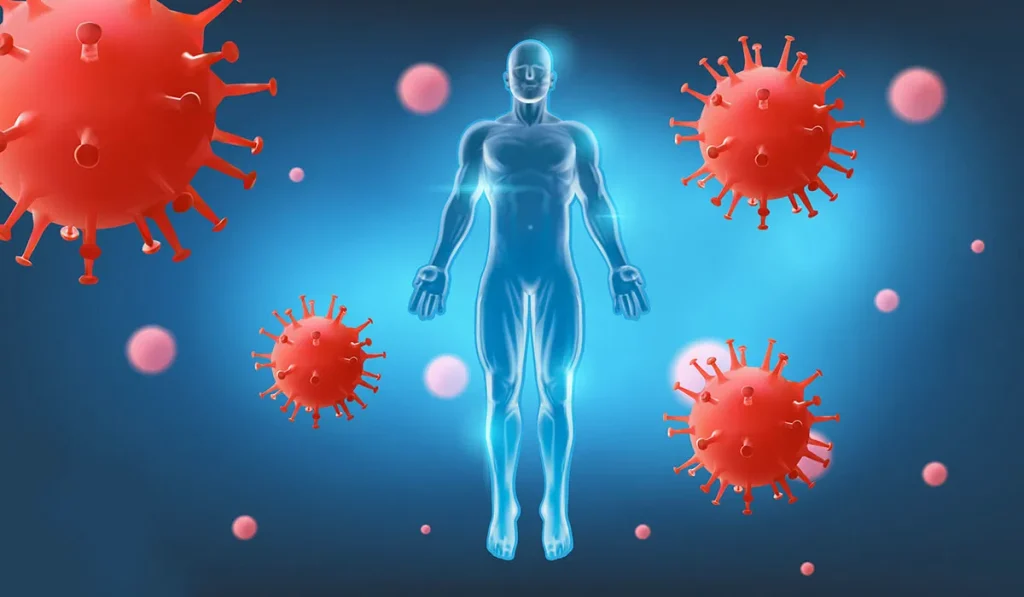
A strong immune system is not just about avoiding colds or seasonal illness. It is about maintaining steady energy, recovering efficiently from physical and mental stress, and staying resilient in everyday life. The immune system works in close coordination with the hormonal network, responding to signals about sleep, nutrition, stress, and physical activity. Among these signals, hormones — particularly human growth hormone (HGH) — play a crucial role in supporting immune strength and recovery.
HGH is best known for its involvement in tissue repair and regeneration, but its influence extends deeper. It supports the renewal of immune cells, helps maintain healthy inflammation levels, and contributes to overall vitality. When hormonal balance is disrupted, immune function often weakens quietly, increasing vulnerability to illness and prolonging recovery times.
The immune system relies on constant renewal. Cells must be repaired, replaced, and activated in response to stress or exposure. Hormones provide the signals that guide these processes.
HGH stimulates tissue repair and immune cell regeneration. By supporting cellular turnover, growth hormone helps the immune system respond efficiently to physical challenges and environmental stressors.
Balanced cortisol levels protect immune function. Cortisol plays an important regulatory role, but when elevated chronically due to stress, it suppresses immune activity. Keeping cortisol within a healthy range allows immune defenses to stay responsive rather than depleted.
Sleep-dependent hormone cycles are essential for immune repair. Deep sleep triggers nightly hormone release that supports cellular recovery, inflammation control, and immune memory.
Physical activity enhances immune responsiveness. Regular exercise improves circulation, allowing immune cells to move efficiently throughout the body and respond quickly when needed.
Nutrition supplies the building blocks for immune health. Proteins, healthy fats, vitamins, and antioxidants support hormone synthesis and immune cell function at every level.
Immune decline rarely happens all at once. More often, it develops gradually as lifestyle stressors accumulate. Poor sleep, high stress, inconsistent nutrition, and inactivity weaken the hormonal signals that protect immune resilience.
When HGH output drops, tissue repair slows. Small injuries linger, inflammation becomes harder to resolve, and recovery from illness takes longer. Over time, this creates a sense of fragility — feeling run down more often or needing longer to bounce back.
Recognizing these patterns early allows individuals to strengthen immune intelligence before problems escalate.
Immune intelligence refers to the body’s ability to adapt, repair, and defend itself efficiently. This intelligence is shaped by daily habits that either support or undermine hormonal communication.
Consistent sleep remains one of the most powerful immune-supporting behaviors. Sleep allows the body to release growth hormone, regulate cortisol, and repair tissues that serve as physical barriers to infection.
Movement also plays a critical role. Moderate strength training and cardiovascular exercise stimulate hormone production and enhance immune surveillance without overwhelming the system.
Stress management is equally important. Chronic psychological stress disrupts hormonal balance and suppresses immune responses. Mindfulness, breathing exercises, and gentle movement help reset the nervous system and protect immune function.
Nutrition ties everything together. Adequate protein supports tissue repair, healthy fats assist hormone synthesis, and antioxidants protect immune cells from oxidative stress.
For some individuals, lifestyle changes alone may not fully restore hormonal or immune balance, especially when age, chronic stress, or long-term strain is involved. In these cases, medically guided hgh injections may be considered as part of a comprehensive wellness strategy.
By combining lifestyle optimization with professional hormonal support, individuals can enhance tissue repair, stabilize hormonal signaling, and support a more robust immune system. This integrated approach helps the body stay prepared not only to fight illness, but to perform and recover effectively every day.
Building immune resilience does not require extreme interventions. Consistent, supportive habits create the strongest results:
Immune strength is not a matter of chance — it is the result of coordinated hormonal and lifestyle signals working together. HGH, cortisol, sleep, movement, and nutrition all play essential roles in maintaining a resilient defense system.
By supporting immune intelligence through daily habits and, when appropriate, medically supervised hormonal care, the body becomes better equipped to recover, adapt, and thrive. A strong immune system is not just about avoiding illness — it is about sustaining vitality and performance in everyday life.