
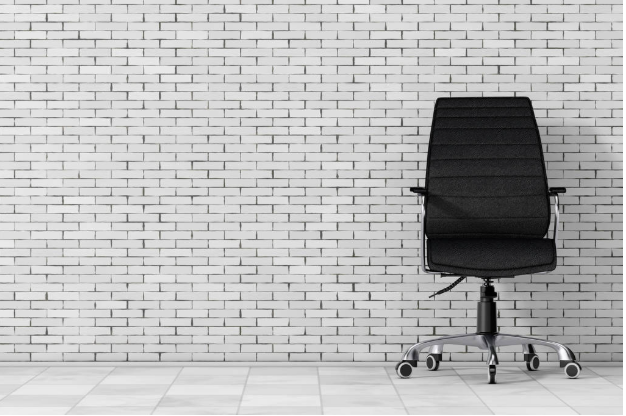
Upgrade your seating setup with the best ergonomic chairs. Experience unmatched comfort and improved posture now!
The Importance of Good Posture
Maintaining good posture is essential for overall health and well-being. It improves spinal alignment, enhances breathing, reduces strain on muscles and joints, and boosts focus. Proper posture also prevents discomfort and long-term ailments while promoting confidence and elevating mood throughout daily activities.
Investing in a high-quality Razer ergonomic chair has transitioned from a luxury to a necessity for improving daily life and enhancing workplace performance. This exploration will highlight the benefits of ergonomic chairs, the design options available, and how they contribute to a healthier and more efficient lifestyle.
How Ergonomic Chairs Enhance Comfort and Posture
Ergonomic chairs improve comfort by adapting to the body’s natural shape and promoting proper posture. They reduce strain on the neck, back, and shoulders, allowing users to remain comfortable during extended periods of sitting. By supporting spinal alignment and encouraging healthy posture, these chairs help prevent fatigue and discomfort, ultimately enhancing productivity and overall well-being.
Health Benefits of Correct Posture
Correct posture enhances overall health by maintaining proper spinal alignment, reducing back and neck pain, and increasing energy levels. It also improves breathing efficiency, digestion, and concentration. Over time, good posture reduces strain on muscles and joints, promoting long-term physical well-being and enhancing the body’s resilience to stress.
Consequences of Poor Posture
Poor posture can lead to numerous health problems, including chronic pain, reduced flexibility, and muscle imbalances. Over time, it may lead to spinal misalignment, restricted movement, and even long-term injuries or disabilities. These issues can negatively impact daily activities and overall quality of life.
Importance of Maintaining Good Posture in the Workplace
Good posture in the workplace reduces the risk of musculoskeletal problems and discomfort. Proper alignment decreases strain on muscles and joints, supports better breathing, and improves focus. Employees who maintain good posture are likely to experience fewer work-related injuries, greater productivity, and a healthier work environment overall.
Ergonomics
Ergonomics is the science of designing environments, tools, and products to fit human physical and cognitive abilities. Its goal is to enhance comfort, efficiency, and safety by optimizing how individuals interact with their surroundings. Ergonomic design reduces strain, prevents injury, and creates more effective and enjoyable experiences for users.
Application of Ergonomics in Furniture Design
Applying ergonomics to furniture design ensures comfort and supports health. Designers focus on how the body moves, posture, and alignment to create products that minimize strain. Thoughtfully designed furniture fosters productivity, satisfaction, and overall well-being in both workspaces and living environments.
Specific Benefits of Ergonomic Chairs
Ergonomic chairs provide numerous benefits, including improved spinal support, reduced muscle strain, and enhanced posture. They allow users to sit comfortably for extended periods, supporting concentration and productivity. These chairs also help prevent chronic pain, making them an investment in long-term health.

Research Supporting Ergonomic Benefits
Studies show that ergonomic chairs can significantly improve comfort and reduce discomfort during long sitting periods. Properly designed chairs enhance productivity, lower the risk of musculoskeletal disorders, and promote well-being by providing tailored support to the body.
How Ergonomic Chairs Promote Better Sitting Positions
Ergonomic chairs encourage correct posture by supporting the spine and aligning the neck, back, and hips. Adjustable features allow the chair to fit individual body types, reducing strain on muscles and joints. This promotes healthy sitting habits, reduces fatigue, and improves comfort and focus during long hours of work.
Key Features That Contribute to Comfort
Features like adjustable lumbar support, contoured seats, customizable armrests, and height adjustment are central to ergonomic chair comfort. These elements maintain proper posture, relieve pressure on the spine, and allow users to sit for longer periods without discomfort. Properly designed ergonomic chairs enhance efficiency while preventing strain.
Review of Leading Chairs
Leading ergonomic chairs are designed to maximize comfort, support, and adjustability. They vary in features, design, and price, but all aim to improve posture and provide a healthier sitting experience. Evaluating these chairs helps users make informed choices based on comfort, durability, and specific needs.
Features, Advantages, and Drawbacks
Each ergonomic chair offers unique features. Some emphasize advanced lumbar support and adjustability, while others balance comfort with affordability or aesthetics. Benefits include durability, enhanced support, and productivity improvements. Drawbacks may involve higher cost, bulkiness, or fewer customization options. Users should choose a chair aligned with their body type and sitting habits.
Choosing the Best Chair for Your Needs
Selecting an ergonomic chair requires understanding personal needs. Consider seat depth, lumbar support, height adjustability, and material quality. Testing chairs and evaluating comfort for daily use ensures the chair enhances posture and productivity while minimizing fatigue.
Adjusting the Chair Correctly
Seat height, backrest angle, armrest placement, and lumbar support should be adjusted to fit your body. Proper alignment reduces stress on the spine, muscles, and joints, allowing you to remain comfortable and focused.
Maintaining Ideal Sitting Postures
Sit fully back in the chair, keeping feet flat on the floor and thighs parallel to the ground. Maintain a neutral spine, keep wrists straight while typing, and ensure your head aligns with your shoulders. These practices optimize posture and reduce strain.
Incorporating Breaks and Exercises
Short breaks for stretching, deep breathing, or brief walks are important. These activities refresh the body and mind, improve circulation, reduce stiffness, and help maintain focus throughout the day.
Real-Life Stories: Comfort with Ergonomic Chairs
Many individuals report improved comfort and productivity after using ergonomic chairs. Users experience less back pain, better posture, and increased concentration during extended work hours. Personal testimonials highlight how proper seating can positively influence both well-being and work efficiency.
Impact on Posture and Comfort
Ergonomic chairs provide support that reduces strain during prolonged sitting. Users report better spinal alignment, reduced discomfort, and enhanced focus. Overall, these chairs contribute to a healthier workday experience.