
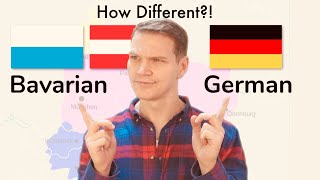
German exists as a single language on paper, but reality reveals a different picture filled with sound mosaics that transform dramatically from region to region. German carries accents that sparkle with personality. Each one offers a new melody, a new identity, and a new cultural fingerprint.
Standard German sits safely in textbooks, but everyday speech breaks into flavors that surprise learners beautifully. Exploring these accent differences often sparks fascination, as each dialect brings its own history and storytelling power.
Out of all, three accents stand out boldly across the German-speaking world. Bavarian evokes images of wooden beer halls, alpine jackets, and hearty laughter. Berlin German rings through city streets like graffiti in audio form. Swiss-German sweeps across mountain valleys with smooth, breathy music.
Understanding these accents gives you deeper insight into communication beyond grammar. So, let’s begin this mini German classes in Dubai.
Southern Germany houses Bavaria. The region holds centuries of independent spirit. Royal palaces, Oktoberfest excitement, folk music, and charming traditions shape Bavarian culture strongly. The Bavarian accent, also called Bairisch, reflects these warm roots perfectly.
Textbook German shapes the sentence Ich bin müde meaning “I am tired”. Bavarian transforms it into I bin müd. The softness becomes instantly noticeable, as vowels and consonants relax gently under the tongue.
Many endings shrink or vanish in Bavarian speech. Words appear shorter, rounder, and delightfully rustic. For example:
Greetings sound friendly like long-lost relatives meeting after years. Every phrase carries a thick, comforting sound. This accent radiates hospitality and heritage. Conversations in Bavaria often feel like music shaped for storytelling.
Historical identity played a huge role in preserving this dialect. Bavaria once existed as a kingdom with separate governance and traditions, but dialect pride remains strong. Families pass Bavarian expressions to new generations with affection. Standard German rules education, while Bavarian rules kitchens, gatherings, folk festivals, and casual conversations. Code-switching occurs daily. Many locals navigate between dialect and Standard German depending on the situation.
Foreign learners sometimes struggle with Bavarian at first, as textbooks rarely present these patterns. The dialect muffles crisp “ch” sounds and drops syllables generously. However, persistence rewards listeners generously. Once the ear adapts, Bavarian sounds warm and cozy like wool blankets around a fire. Trips to Munich, Regensburg, or rural Bavaria reveal endless charm. Locals appreciate attempts to engage with dialect words. Even a simple Servus creates connection.
Northern Germany leads language into a very different rhythm. Berlin, famous for rebellion, techno parties, history scars, and artistic expression, shaped a dialect to match its spirit. Berlin German stands bold, clipped, fast, and unapologetically real. Standard Ich habe keine Zeit transforms into Ick hab keene Zeit, and this shift arrives not only phonetically but also in attitude. Sounds lose polish by intention rather than mistake. This accent carries strength and sass.
Berlin speech shortens endings with casual confidence.
The accent walks like city fashion: edgy, scruffy, stylish without trying. Berlin German rejects formality. Language here feels accessible, direct, and street-smart. Jokes sprinkle conversation quickly. Sarcasm rolls off tongues effortlessly. Even friendly greetings pulse with urban personality.
Historically, Berlin welcomed migrants, workers, rebels, and thinkers from diverse backgrounds. The dialect absorbed influences from many sources. During industrial rise and later during divided-city decades, communities forged language that suited fast living. So, Berlin German became a badge of belonging.
Many learners find Berlin German easier to decipher compared to Bavarian because the vocabulary often stays closer to Standard German. Pronunciation changes create the main puzzle. The famous switch from ich to ick stands as a hallmark. The tone falls flat and confident, and the rhythm feels punchy. A sentence ends abruptly, almost as if words have no time for decoration.
This dialect holds charisma like neon lights at night. Tourists who attempt Berlin expressions often receive amused smiles.
Next emerges Swiss-German, known as Schweizerdeutsch. This dialect family stands unlike anything else in the German sphere.
Switzerland houses four national languages, and German shares space with French, Italian, and Romansh. This multilingual environment nurtures linguistic diversity lovingly. Swiss-German lives as everyday voices across towns, cities, and villages. Its vocabulary differs noticeably from Standard German.
The accent sounds airy yet textured. Swiss-German feels smooth like fresh snow under sunlight. Even Standard German speakers sometimes pause during Swiss conversation. The dialect stands distinct enough to sound like a sibling rather than identical twin.
Swiss culture values regional identity firmly. Dialects flourish because community ties run deep. Families raise children with Swiss-German at home. Schools teach High German academically. Students grow bilingual effortlessly. Swiss speakers switch between High German and dialect depending on formal context. Typical differences appear in sentence rhythm, vocabulary, grammar, and tone. For learners, this contrast poses challenge and excitement.
Swiss regions even have micro-dialects. Zurich differs from Bern, while Basel differs from St. Gallen. So, locals instantly notice distinctions.
Understanding dialects deepens cultural competence. Standard German provides grammar, rules, and structure, but accents breathe life into communication.
Learning accents builds listening skills stronger than classroom drills ever could. Students who train their ears for varied pronunciation experience fast fluency progress, and conversations with natives become smoother.
Dialect exploration enriches vocabulary beautifully. Potato offers a perfect example. Standard Kartoffel meets Bavarian Erdapfel and Swiss Härdöpfel. Bread roll shifts from German Brötchen to Swiss Brötli. Clothing, food, and daily words transform across regions. This variation reflects cultural nuance. Students who embrace differences develop flexible thinking. Language becomes a kaleidoscope rather than a straight line.
Accents challenge learners in thrilling ways. They push ears to new shapes, stretch minds into deeper context, and transform German into music with three tempos. This exploration leaves a long-lasting appreciation for diversity within one language.
If you want to take up German classes in Dubai, you can reach out to Language Skills.