
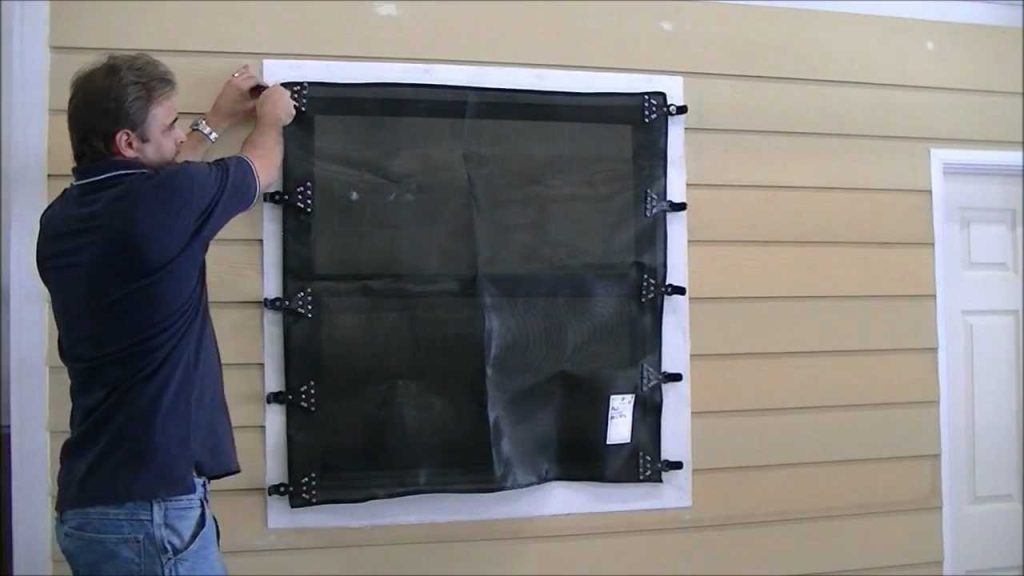
As the calendar turns toward hurricane season, a familiar stress begins to build for homeowners in coastal regions. The annual ritual of preparing your home can be daunting, labor-intensive, and expensive. For many, it means dragging heavy, unwieldy sheets of plywood from the garage, hoping they still fit, and spending hours on a ladder in the sweltering heat. But what if there was a better way?
The stakes have never been higher. Storms are becoming more frequent and more destructive. Since 2018, the U.S. has seen an average of 18 weather and climate-related events each year that caused more than a billion dollars in damage. This reality demands a modern, reliable, and manageable approach to home protection.
This is where the strongest hurricane screen system enters the picture—a smarter way to protect your home that is quickly replacing outdated methods. This isn’t just a roll of tough material; it’s a complete, engineered system you can install yourself. In this comprehensive guide, we’ll walk you through everything you need to know to understand, choose, and install a reliable DIY hurricane fabric system, giving you peace of mind and control over your home’s safety.
At its core, hurricane fabric is a high-strength, flexible material, typically made from PVC-coated polyester or advanced aramid fibers. But thinking of it as just a “storm tarp” misses the brilliant engineering behind it. It’s not designed to be a solid, rigid wall like a shutter or a sheet of plywood. Instead, it functions as a “wind abatement system.”
The magic is in its advanced basket-weave design. This porous construction allows some air to pass through, which is critical. Rather than taking the full, brutal force of the wind head-on, the fabric catches and deflects up to 95% of the wind and rain. This action prevents the rapid, catastrophic pressurization inside your home that can lead to windows blowing out and, in the worst-case scenario, the roof lifting off.
At the same time, the material is incredibly tough. A properly engineered system is impact-rated to protect your windows and doors from flying debris. This dual-action—deflecting wind while stopping projectiles—is what makes it one of the most effective forms of modern hurricane protection.
A quick search online reveals a wide range of “hurricane fabric” products, from inexpensive rolls of material to complete kits. This can be confusing and even dangerous. The most critical distinction to understand is the difference between buying generic fabric and investing in a professionally engineered system.
Generic fabric, often sold by the roll, leaves you to source your own anchors and attachment hardware. The components are not designed or tested to work together, leaving a massive question mark over whether they will hold up under extreme stress. An engineered system, by contrast, is a holistic solution where every single part—the fabric, the stitching, the straps, the anchors, and the bolts—is designed and tested to perform as a single, cohesive unit.
An engineered system is rigorously tested in a lab to withstand specific wind speeds, often up to Category 5, and to resist impacts from flying debris. This provides you with certified, proven protection. For homeowners concerned about the effectiveness and safety of a DIY solution, this certification is non-negotiable.
For decades, plywood has been the go-to DIY solution. But how does it stack up against a modern, engineered hurricane fabric system? Let’s break it down.
| Feature | Engineered Hurricane Fabric System | Plywood |
|---|---|---|
| Deployment Time | Minutes per opening | 30-60 minutes per opening |
| Storage Space | Rolls up into a small pouch, fits on a shelf | Requires a large, dedicated storage area |
| Protection Level | Lab-tested, impact-rated, wind-abating | Untested, prone to failure from debris |
| Reusability | Highly reusable, lasts for years | Degrades with each use, requires replacement |
| Ease of Installation | Lightweight, one-person job | Heavy, bulky, often requires two people |
The convenience factor is clear, but the difference in protection is what truly matters. Not all storms are equal. According to NOAA, Category 3, 4, and 5 storms…cause over 85% of all damages. These are the storms where untested solutions fail.
The greatest danger during these events is from wind-borne projectiles. As the National Hurricane Center notes:
“Debris, such as signs, roofing material, siding and small items left outside become flying missiles during hurricanes.”
An impact-rated fabric system is specifically designed to stop these “flying missiles,” while a sheet of plywood can be punctured or ripped from its anchors, creating a catastrophic failure point.
Hurricane preparation doesn’t have to be a source of dread and exhaustion. An engineered DIY hurricane fabric system represents the modern, intelligent choice for homeowners who want to take control of their family’s safety. It offers a solution that is stronger than plywood, faster to deploy than any traditional method, and remarkably easy to store.
By choosing a complete, tested system, you are investing in peace of mind. You are giving yourself the ability to secure your home quickly and confidently when a storm is on the horizon. It’s more than fabric; it’s a complete defense system. Stop wrestling with heavy boards and take the first step toward a safer, smarter, and simpler way to protect your home.